
The Republic of Guinea stands at a pivotal crossroads where the untapped potential of its vast natural resources meets the sophisticated strategic planning of the United Nations Industrial Development Organization. For decades, the nation functioned primarily as a supplier of raw materials to the global market, yet the recent launch of the Programme for Country Partnership for the period spanning 2026 to 2030 signals a definitive shift toward a self-sustaining industrial future. This initiative is not merely a bureaucratic agreement but a comprehensive blueprint designed to overhaul the foundation of the national economy through targeted investments and policy reforms. By aligning governmental objectives with international technical expertise, Guinea seeks to move beyond the extraction-only model that historically left it vulnerable to global price fluctuations. The success of this endeavor depends on the seamless integration of technology, finance, and human capital to create an environment where local manufacturing can thrive and compete on a global scale.
Structural Transformation and Economic Stability
Shifting Focus: Value Addition and Diversification
The primary challenge for the Guinean economy has always been its heavy reliance on the export of raw minerals, particularly bauxite and iron ore, which often leaves the country at the mercy of volatile international commodity prices. Under the new partnership framework, the government is prioritizing the establishment of domestic processing facilities that can transform these raw materials into high-value intermediate and finished goods before they ever leave the nation’s borders. This strategy aims to capture a much larger share of the value chain, ensuring that the wealth generated from the soil translates into tangible industrial growth and stable tax revenues. By moving toward local smelting and refining, Guinea can significantly reduce its trade deficit while fostering a sophisticated manufacturing sector that provides a buffer against external economic shocks. This transition requires not only significant capital investment but also a fundamental shift in how the nation views its natural wealth as a catalyst for long-term industrialization.
Broadening the Base: Agriculture and Renewable Energy
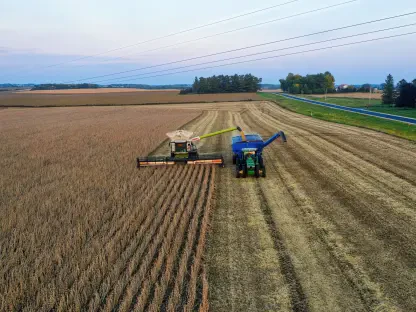
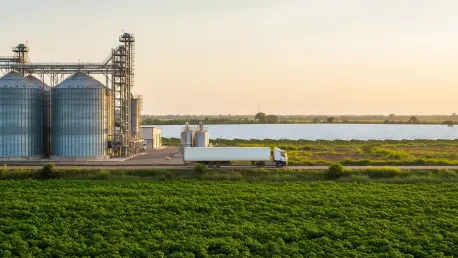
Beyond the mining sector, the diversification of the economy into agro-processing and renewable energy serves as a critical secondary objective to ensure long-term stability and resilience. The agricultural sector, which already employs a vast majority of the population, stands to benefit immensely from industrial modernization that introduces mechanized processing and improved storage technologies. By integrating these advancements, Guinea can transition from exporting raw agricultural products to producing processed food items that meet both domestic demand and international export standards. Furthermore, the development of renewable energy infrastructure is essential to power these new industrial hubs without increasing the national carbon footprint or placing an undue burden on existing power grids. This balanced approach ensures that the country does not simply trade one form of commodity dependence for another, but instead builds a multi-faceted economy capable of supporting diverse industries and providing a wide array of employment opportunities.
An Integrated Operational Framework
Coordinating Stakeholders: The Partnership Model
The Programme for Country Partnership distinguishes itself from traditional development models by utilizing a holistic and integrated framework that brings together a wide array of stakeholders under a single strategic umbrella. In the past, developmental projects in West Africa often suffered from fragmentation, where various agencies and international donors worked in silos, leading to duplicated efforts and inefficient resource allocation. The current model addresses this by aligning the activities of government ministries, private sector leaders, and international financial institutions toward a unified set of national industrial priorities. This coordinated approach ensures that technical assistance is directly linked to large-scale investment projects, creating a synergy that accelerates the pace of industrialization. By fostering a collaborative environment, the program enables the Republic of Guinea to leverage the expertise of international experts while maintaining strong national ownership over its economic trajectory.
Institutional Capacity: Enhancing Policy Implementation
Central to the success of this integrated framework is the rigorous enhancement of institutional capacity within Guinean regulatory bodies and governmental agencies. The program focuses on training civil servants and policy-makers to design, implement, and monitor industrial policies with a high degree of transparency and technical precision. Strengthening these institutions is vital for creating a predictable business environment that can attract and retain high-quality foreign direct investment over the coming years. When government agencies operate with greater efficiency, they can more effectively manage industrial zones, oversee environmental compliance, and ensure that infrastructure projects are completed on schedule. This institutional resilience not only supports the immediate goals of the current cycle but also lays the groundwork for a governance structure capable of sustaining industrial growth. Ultimately, the goal is to transform the state into a proactive facilitator of industrial activity that can respond dynamically.
Sustainability and Global Competitiveness
Prioritizing Green Growth: Resource Efficiency
As the global market increasingly demands sustainable production methods, the partnership places a profound emphasis on green industrialization and the efficient use of natural resources from the very outset. By integrating cleaner production technologies into new manufacturing plants, Guinea aims to bypass the highly polluting industrial phases that many developed nations experienced in the past. This approach focuses on reducing waste, optimizing energy consumption, and minimizing the environmental impact of industrial activities on local ecosystems and communities. Implementing these green technologies is not just an environmental necessity but a strategic move to ensure that Guinean products are compatible with the strict ecological regulations of major international trading partners. As global supply chains move toward carbon neutrality, countries that adopt sustainable practices early will have a significant competitive advantage. This commitment to green growth demonstrates a forward-thinking vision that prioritizes environmental health.
International Standards: Attracting Green Capital
The emphasis on international standards and environmental due diligence is also a matter of economic pragmatism, as global investors are increasingly focusing on Environmental, Social, and Governance criteria. By adhering to these rigorous standards, the Republic of Guinea positions itself as an attractive destination for green capital and impact investment, which are essential for funding large-scale industrial projects. These investors seek markets where industrial growth is coupled with responsible environmental management and social protections for the local workforce. Furthermore, adopting international certification standards for manufactured goods ensures that Guinean exports can access premium markets in Europe and North America without facing trade barriers. This proactive alignment with global trends helps to future-proof the industrial sector, ensuring that it remains vibrant and profitable. By building a reputation for quality and responsibility, Guinea can establish itself as a reliable partner in the global industrial landscape.
Social Progress and Regional Connectivity
Empowering the Workforce: Inclusive Job Creation
Addressing the needs of a rapidly expanding young population is a cornerstone of the industrial strategy, with a specific focus on creating labor-intensive jobs that offer long-term career stability. While the mining sector is often capital-intensive and provides relatively few direct employment opportunities, manufacturing and agro-processing have much higher employment multipliers. These sectors are capable of absorbing a diverse range of workers, including many women and youth who have historically been excluded from the formal economy. The current initiatives include comprehensive vocational training programs designed to equip the workforce with the technical skills required for modern industrial operations, from machine maintenance to digital logistics management. By investing in human capital, the nation ensures that its citizens are not just passive observers of industrial growth but active participants who benefit directly from the wealth created. This focus on inclusive employment is essential for maintaining social cohesion.
Regional Connectivity: Expanding Continental Trade
The partnership also strategically aligns Guinea’s industrial ambitions with broader continental initiatives, such as the African Continental Free Trade Area and the African Union’s Agenda 2063. By producing higher-value finished goods rather than just raw materials, Guinea is poised to become a central player in intra-African trade, reducing its reliance on distant overseas markets. The development of regional value chains allows the country to export processed goods to neighboring nations, fostering economic integration and collective growth across the West African region. This regional connectivity is bolstered by improvements in transportation infrastructure and trade logistics, which facilitate the smooth movement of goods across borders. As African nations work together to reduce trade barriers and harmonize industrial standards, Guinea’s shift toward manufacturing will enable it to capture new market opportunities. This transition from a raw material supplier to a regional industrial hub represents a significant step forward.
Innovative Resource Mobilization
Leveraging Finance: Blended Investment Models
To bridge the significant industrial infrastructure gap, the program introduced an innovative blended finance model that strategically combined public funds with private commercial investments and multilateral loans. This financial architecture was designed to de-risk projects for private investors by using public capital to provide guarantees or concessional terms, thereby attracting the large-scale funding needed for ports, power plants, and industrial parks. This approach allowed the Guinean state to pursue its ambitious industrial goals without overextending its fiscal capacity or increasing the national debt to unsustainable levels. By leveraging the financial resources of international partners and the agility of the private sector, the nation accelerated the rollout of critical infrastructure necessary for industrial expansion. This collaborative funding model ensured that every dollar of public money acted as a catalyst for much larger private sector contributions, creating a sustainable financial ecosystem.
Strategic Implementation: Future Economic Resilience
The implementation of the Programme for Country Partnership established a clear trajectory for Guinea to transition from an extraction-based economy to a modern industrial powerhouse. The collaborative efforts between the government and international experts successfully laid the foundation for a diversified economic landscape, emphasizing the importance of local value addition and green technology. The focus remained on the consistent execution of these strategic policies and the continuous monitoring of industrial zones to ensure they met global performance benchmarks. Strengthening the link between vocational training and industrial needs was a crucial step that maintained the momentum of job creation for the younger generation. Additionally, fostering deeper integration with regional trade blocs provided the necessary scale for Guinean manufacturers to thrive in a competitive environment. By maintaining this disciplined approach to resource mobilization and institutional reform, the nation secured its place as a leader in African industrialization.