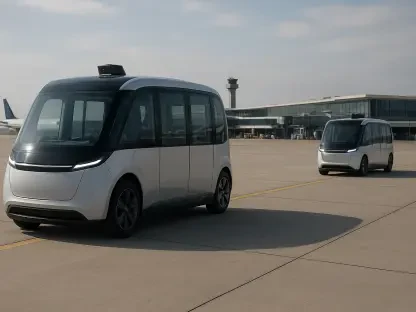

Global supply chain volatility has evolved from a periodic disruption into a persistent state of operation that requires an entirely new approach to digital orchestration and enterprise agility. As organizations navigate the complexities of 2026, the reliance on static data and siloed decision-making has proven insufficient for maintaining a competitive edge in a shifting global economy. Kinaxis Maestro emerged as a transformative solution, evolving beyond traditional concurrent planning to provide a unified, AI-powered orchestration platform. This system integrates advanced machine learning with human intuition, allowing enterprises to synthesize massive datasets into actionable strategies. By moving toward continuous synchronization, businesses can finally bridge the gap between strategic goals and operational realities. The platform does not simply track changes; it interprets the cascading effects of every single disruption across the entire network simultaneously.
Dynamic: Orchestration
Synchronized: Flows
The fundamental strength of this technology lies in its ability to eliminate the latency that typically exists between data collection and executive response. Traditional systems often operate on a sequential model, where a change in material availability takes days to reflect in production schedules or delivery estimates. In contrast, the Maestro environment utilizes a proprietary concurrency engine that ensures any adjustment in one part of the supply chain is immediately reflected throughout the entire ecosystem. This level of transparency is essential for firms dealing with high-variability markets where consumer preferences and trade barriers shift overnight.
By creating a digital twin of the supply chain, the platform allows planners to experiment with diverse scenarios in a safe environment before committing resources. This proactive approach transforms the supply chain from a cost center into a strategic asset for growth. It enables leaders to visualize the long-term impact of current decisions, ensuring that immediate actions align with broader corporate objectives. This transition from reactive firefighting to strategic orchestration marks a significant new era in global manufacturing efficiency.
Risk: Mitigation
Beyond immediate synchronization, the integration of specialized AI agents allows the platform to perform deep-tier mapping and risk assessment with unprecedented accuracy. These autonomous agents are designed to scan global logistics data and economic indicators to identify potential bottlenecks long before they impact physical operations. If a specific port faces an impending strike or a supplier in a different region encounters a shortage of critical components, the system flags the risk and suggests alternative routing or sourcing based on historical performance. This moves the needle from descriptive analytics toward prescriptive guidance.
Instead of spending hours manually aggregating spreadsheets, professionals focus on high-level strategy and exception management. This ensures the enterprise remains resilient in the face of unforeseen challenges. The automated nature of these insights allows for a much faster response time than previously possible, effectively neutralizing threats before they manifest in the production line. By automating the mundane aspects of data analysis, the platform empowers human teams to make high-stakes decisions with much greater confidence, reducing the likelihood of costly errors or inventory stockouts.
Strategic: Excellence
The shift toward intelligent orchestration represented a significant milestone in the journey toward fully autonomous supply chains where human oversight and machine precision worked in tandem. Organizations that prioritized the adoption of these advanced platforms successfully mitigated the risks associated with global market instability while capturing new opportunities for efficiency. The transition involved moving away from rigid, linear processes toward a flexible framework that embraced uncertainty as a manageable variable rather than a threat. This cultural shift proved just as vital as the technological implementation.
Leaders recognized that the true value of AI lay not in replacing people, but in enhancing their ability to navigate a landscape of increasing complexity. Looking ahead, the focus remained on refining these digital ecosystems to support more sustainable and ethical sourcing practices across the globe. By investing in scalable orchestration technologies, enterprises secured their place in an environment where agility was the primary currency of success. The lessons learned from this era provided a clear roadmap for achieving long-term operational excellence and maintaining a robust presence in the global marketplace.