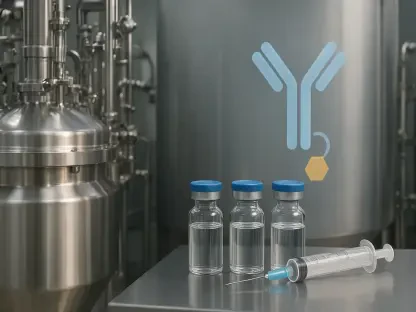

The pharmaceutical landscape has witnessed a monumental shift as precision oncology evolves from a theoretical aspiration into a standardized clinical reality that redefines how terminal illnesses are managed across the globe. Antibody-drug conjugates (ADCs) have emerged as the vanguard of this new era, combining the targeted specificity of monoclonal antibodies with the potent cell-killing power of cytotoxic drugs. While many pharmaceutical giants claim credit for the efficacy of these treatments, the structural backbone of the industry increasingly relies on a single entity to bring these molecules to life.
Lonza has transitioned from a traditional contract manufacturer into a primary strategic architect of the cancer therapy pipeline. By integrating advanced conjugation technologies with massive industrial scale, the organization has created a feedback loop that accelerates drug development. This evolution ensures that the next generation of therapies moves from the laboratory to the patient with unprecedented speed and reliability.
The Silent Engine Behind More Than Half of Today’s Commercial Cancer Conjugates
The prominence of ADCs in the current market is often measured by the names on the labels of approved drugs, yet a more revealing metric lies in the production facilities that manufacture them. Lonza currently serves as the development and manufacturing partner for more than half of the commercial ADCs available to patients. This dominant market share is not a byproduct of chance but the result of a deliberate strategy to master the intricate marriage of biologics and small-molecule chemistry.
Managing the supply chain for a single ADC is notoriously difficult, requiring a delicate balance of biological fermentation and chemical synthesis. Most manufacturers struggle with the requirement for high-containment facilities needed to handle toxic payloads alongside the sterile environments required for antibody production. However, by centralizing these capabilities, Lonza has removed the logistical friction that historically plagued drug developers, allowing for a more streamlined path to commercialization.
Why Antibody-Drug Conjugates Are Shifting From Niche Science to Oncology’s Mainstay
The industry consensus has pivoted away from broad-spectrum chemotherapy toward the “biological missile” approach offered by ADCs. These therapies work by identifying specific markers on the surface of cancer cells, delivering a lethal payload directly into the tumor while sparing healthy surrounding tissue. This surgical precision has transformed oncology, turning what were once niche treatments for rare cancers into the primary pillar of modern therapeutic strategies.
Moreover, the versatility of the ADC platform allows it to be adapted for various solid tumors and hematological malignancies that were previously resistant to traditional intervention. As clinical outcomes continue to surpass those of older modalities, the demand for sophisticated conjugation has surged. This shift is driving a massive influx of investment, as biopharmaceutical companies race to incorporate these targeted agents into their core portfolios to stay competitive in a rapidly advancing field.
Strategic Market Consolidation Through High-Value Licensing and the Synaffix Integration
The acquisition of the Synaffix platform in 2023 marked a definitive turning point in how manufacturing organizations interact with drug developers. By absorbing proprietary linker-payload and conjugation technologies, Lonza transitioned from a fee-for-service provider to an essential intellectual property partner. This integration has been validated by a series of high-profile licensing agreements with firms like AmMax Bio, Antharis Therapeutics, and InduPro, all of which rely on this centralized technology suite.
A significant agreement with Bristol Myers Squibb illustrates the value of this consolidated approach. By granting a major pharmaceutical player access to the SYNtecan platform for specific targets, the organization has cemented its role as a gatekeeper of “best-in-class” technology. These partnerships allow smaller biotech firms and large pharmaceutical companies alike to leverage a pre-validated toolkit, significantly reducing the technical risks associated with early-phase development.
Engineering Precision With Site-Specific Conjugation and Dual-Payload Capabilities
At the heart of the technological advantage are systems like GlycoConnect and HydraSpace, which solve the long-standing problem of drug stability and homogeneity. Traditional conjugation methods often result in a mixture of molecules with varying amounts of toxic payload. In contrast, site-specific conjugation ensures that every antibody carries a precise number of drug molecules, which dramatically improves the safety profile and therapeutic index of the final product.
Furthermore, the development of dual-payload capabilities represents the next frontier in overcoming tumor heterogeneity and drug resistance. By delivering two different cytotoxic agents simultaneously, these next-generation ADCs can attack cancer cells through multiple pathways. This engineering feat addresses the challenge of patients who stop responding to single-agent therapies, providing a more robust solution for complex, late-stage cancers that were previously considered untreatable.
A Global Blueprint for Growth: Expanding Manufacturing from Visp to the United States
To accommodate the burgeoning demand for these precision therapies, a massive expansion of physical infrastructure became a necessity. The organization added specialized manufacturing suites at its primary site in Visp, Switzerland, and established a dedicated commercial-scale filling line in Stein. These upgrades allowed for a seamless transition from the initial conjugation process to the final product packaging, ensuring that quality control remained consistent across the entire production lifecycle.
The strategic shift toward establishing bioconjugation capabilities in the United States addressed the critical need for regional supply chain resilience. This move was prompted by shifting geopolitical dynamics and the desire to provide closer support for a growing list of American clients. Future success in the ADC sector depended on this ability to maintain localized, high-capacity facilities that could navigate diverse regulatory environments while maintaining the highest standards of safety. By solving the bottleneck of domestic production, the organization ensured that the next wave of oncology breakthroughs reached the clinic with maximum efficiency.