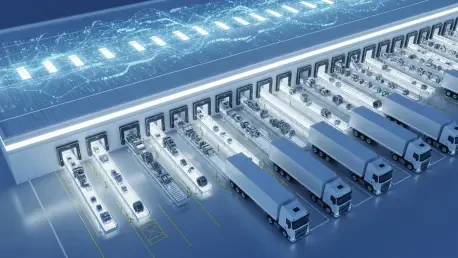

The establishment of a massive logistics center by Mercedes-Benz in the Zarate region represents a significant milestone in the effort to modernize the aging transport networks of South America. By centralizing operations near major fluvial ports, this facility serves as more than just a warehouse; it acts as a high-velocity artery for the distribution of heavy vehicles and essential components across the continent. The strategic placement of this hub allows the company to bypass many of the traditional bottlenecks found in saturated ports, providing a streamlined route for both domestic sales and regional exports. This movement is particularly critical as industries demand faster turnaround times to keep pace with the increasing volume of heavy-duty transport requirements. The presence of such a facility naturally attracts secondary service providers, creating a localized ecosystem that enhances the resilience of the entire Argentine supply chain against global market fluctuations and logistical delays.
Advancing Regional Connectivity and Technical Integration
The immediate benefit of the new hub lies in its ability to consolidate regional parts distribution into a single, highly efficient node that reduces the lead time for critical repairs and assembly operations. Before this implementation, local logistics firms often struggled with fragmented inventory systems that led to significant downtime for commercial fleets across the country. Now, the facility utilizes a sophisticated cross-docking system that ensures trucks and vans spend less time idling and more time on the road, which is essential for maintaining the momentum of the national economy. This operational shift has already started to influence how local transport companies structure their own routes, moving toward a more decentralized model that favors rapid regional hubs over centralized, overburdened urban centers. By optimizing the flow of heavy machinery, the hub directly contributes to lower operational costs for logistics providers who now rely on a consistent supply.
Integration of Industry 4.0 technologies within the hub has set a new benchmark for what is possible in South American logistics, moving away from manual record-keeping toward real-time data analytics. Every unit moving through the facility is tracked via a sophisticated cloud-based management system that provides granular visibility into the status of shipments, from the moment they arrive at the port to their final delivery point. This level of transparency is vital for fleet operators who need to manage complex schedules and minimize the environmental footprint of their operations. Automated sorting systems and AI-driven inventory forecasting have largely eliminated the risk of overstocking or shortages, ensuring that resources are allocated where they are most needed. These technological advancements do not just improve the bottom line for the manufacturer; they also provide a data-rich environment that can be used to optimize national transport routes and reduce carbon intensity.
The successful deployment of the Mercedes-Benz hub proved that private-sector leadership could effectively bypass institutional inertia to create a world-class logistics environment. Stakeholders across the transport sector observed how the implementation of green building standards and renewable energy sources at the facility established a new baseline for industrial development. Moving forward, the focus shifted toward expanding these digital and physical connections into the interior of the country to ensure that the benefits of modernized logistics were not confined to the coastal regions. Decision-makers were advised to prioritize the synchronization of public rail networks with these private hubs to create a truly multimodal transport system. Investing in the electrification of delivery fleets and expanding the digital twin capabilities of regional warehouses became the clear next steps for those looking to maintain a competitive edge. This model provided a definitive roadmap for transforming the nation into a primary gateway.