
Behind the shimmering brilliance of every high-end necklace or watch lies a sophisticated infrastructure of machinery that defines the very limits of what modern craftsmanship can achieve in the global market. This industrial foundation is currently undergoing a radical transformation as the Italian Exhibition Group and the Italian Association of Manufacturers and Exporters of Jewelry Machinery formalize their continued alliance. This strategic partnership renewal for the 2026–2028 cycle underscores a pivotal shift toward a more integrated and technologically advanced jewelry ecosystem.
The Global Landscape: Jewelry Manufacturing and Italian Leadership
TGold and Vicenzaoro serve as the twin engines of the international jewelry ecosystem, providing a centralized stage for global trade and innovation. By hosting these events concurrently, Italy secures its position as the primary architect of jewelry production standards and market trends. This synergy allows for an immediate exchange between those who design luxury goods and those who build the tools to create them.
AFEMO, with its network of sixty specialized manufacturers, represents the backbone of this industrial strength, ensuring that the transition from raw precious metals to high-end retail pieces remains seamless. The strategic importance of the Made in Italy designation has evolved beyond aesthetic beauty to signify high-tech industrial excellence. In this environment, machinery precision meets artisanal heritage, creating a unique competitive advantage that other markets struggle to replicate.
Dynamic Market Drivers: The Economic Future of Jewelry Tech
Revolutionizing Production: Automation and Additive Manufacturing
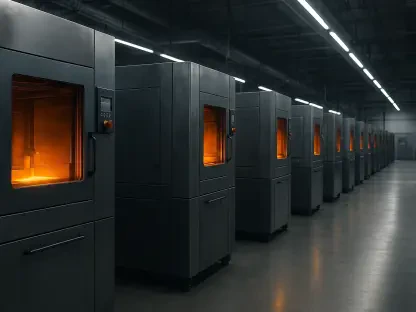
The jewelry sector is rapidly embracing Binder Jetting and sophisticated additive manufacturing to create complex geometries that were once impossible to produce. These technologies allow for rapid prototyping and significant waste reduction, directly addressing the growing demand for sustainable production methods in a resource-conscious world. Automation is no longer a luxury but a necessity for manufacturers who aim to maintain consistency in high-volume luxury markets.
Furthermore, advanced quality-control systems utilizing artificial intelligence are now capable of detecting microscopic flaws, ensuring manufacturing precision. Evolving consumer behaviors favor transparency and ethically manufactured goods, forcing producers to adopt technologies that can trace the origin and processing history of every component. These innovations bridge the gap between traditional craftsmanship and the requirements of a modern, digitized global supply chain.
Quantifying Growth: Impact of Strategic Infrastructure Investment
A massive sixty-million-euro investment into the Vicenza exhibition center is set to redefine the logistics of the jewelry trade. The development of the new Hall 2 is the centerpiece of this modernization, providing the physical capacity needed to host a growing number of international stakeholders. With the Italian jewelry machinery sector generating approximately six hundred million euros in annual revenue, the decision to synchronize TGold and Vicenzaoro into a biannual format is a calculated move to capture a larger share of the global market.
This alignment ensures that buyers can source both the technology and the finished goods in a single, efficient visit during the January and September cycles. Forecasted increases in international buyer attendance are already linked to the Hall 2 expansion, which offers a more cohesive visitor experience. The revenue potential of these synchronized events is expected to rise as the exhibition space becomes more accessible and technologically integrated.
Navigating Supply Chains: Complexities and Competitive Pressures
Moving TGold from its traditional peripheral location to the central Hall 4 is a strategic masterstroke for improving logistical flow. This physical shift reflects a broader intent to place production technology at the very heart of the jewelry business, making it easier for retail buyers to witness the manufacturing process. However, Italian manufacturers face stiff competition from emerging international markets, requiring a constant focus on technical superiority.
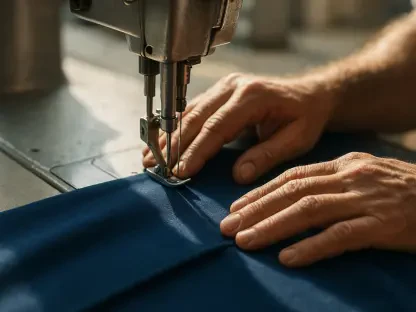
Overcoming the technical barriers in the transition from traditional bench work to industrial automation requires significant capital and training. Knowledge transfer initiatives remain a priority for the partnership, with workshops and conferences used to bridge the skills gap among the workforce. These educational efforts ensure that the next generation of jewelers can operate sophisticated equipment while maintaining the artistic soul of the industry.
Establishing Benchmarks: Quality Control and Production Standards
AFEMO plays a critical role in setting the technical standards for machinery exports, which is vital for maintaining international compliance. As global regulations regarding environmental impact and workplace safety become more stringent, these standards protect the integrity of the Italian brand. Compliance with international safety regulations in precious metal processing is no longer optional, and Italian firms are leading the way in developing cleaner refinery technologies.
Protecting intellectual property remains a sensitive area, particularly with the rise of digital design files in additive manufacturing and proprietary technology. Standardizing quality-assurance protocols across the global jewelry supply chain ensures that every piece produced using Italian technology carries a guarantee of excellence. This focus on standardization helps stabilize the market and builds trust with international luxury brands that require absolute consistency.
Strategic Evolution: Globalization of Italian Jewelry Technology
The expansion of the Italian technological footprint is not limited to Europe; it stretches into Dubai through JGTD and Singapore through SIJE. These international outposts allow AFEMO members to engage with fast-growing luxury markets in Asia and the Middle East directly. The influence of the new Hall 2 on the 2026–2028 exhibition cycle will be profound, creating a platform where hybrid business models can thrive by connecting tech with retail.
Anticipating future market shifts involves identifying emerging disruptors, such as lab-grown diamond processing and blockchain-integrated production tracking. The roadmap for continuous innovation requires a forward-looking approach that anticipates consumer needs before they manifest. By expanding their global reach, Italian manufacturers ensured that their technological solutions remained the benchmark for the entire luxury industry.
Strengthening Synergy: Technology and Luxury Retail
The extension of the partnership between IEG and AFEMO solidified Italy’s dominance in the global jewelry technical sector by aligning industrial capabilities with retail demands. Stakeholders were encouraged to utilize the modernized Vicenzaoro platform as a springboard for growth, leveraging the newly integrated halls to expand their reach. The roadmap for the 2026–2028 period established a unified front that effectively bridged the gap between industrial innovation and high-end consumer expectations. This collaboration successfully maintained the high standards required for international competitiveness while providing actionable paths for technological integration. Participants found that the synchronization of exhibition schedules offered a robust solution to fluctuating market demands.