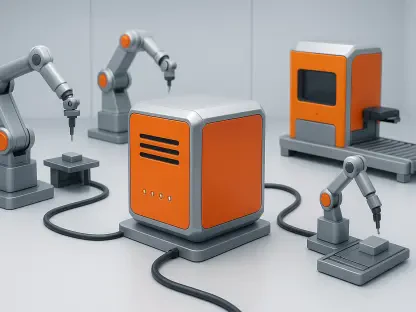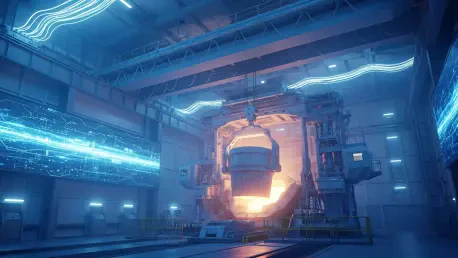

The traditional image of the mining and metallurgical sectors is undergoing a radical shift as the deafening roar of diesel engines is replaced by the silent, efficient power of high-voltage electrification. This technological evolution represents more than a simple equipment upgrade; it is a fundamental reimagining of heavy industry within the context of a global net-zero mandate. As the industrial sector seeks to decouple production from carbon emissions, the focus has shifted toward advanced electrification as a primary driver of operational sustainability. This review examines how the transition to electric power is reshaping the heaviest operations on the planet, from massive smelting furnaces to deep underground excavation sites.
Foundations of Heavy Industrial Electrification
Modern industrial electrification focuses on the complex transition of heavy-duty operational equipment from internal combustion engines to high-performance electric and hybrid power systems. The core challenge in this sector has always been the sheer scale of the energy required; traditional batteries often lacked the density to support the massive torque and continuous duty cycles required by 250-metric ton machinery. However, advancements in power electronics and motor design have finally bridged this gap, allowing electric motors to provide the instantaneous energy conversion necessary for the most demanding industrial tasks.
This transition serves as a critical response to the high carbon intensity of traditional smelting and mining operations, which have historically relied on millions of liters of fossil fuels. By implementing electric drive systems, companies are not just reducing their fuel bills but are fundamentally altering the thermodynamic efficiency of their processes. Electrification is no longer a peripheral experiment but has positioned itself as the cornerstone of modern industrial sustainability, providing a pathway to eliminate tailpipe emissions at the source.
Primary Components of Low-Emission Industrial Systems
High-Capacity Hybrid Propulsion Units
The implementation of hybrid propulsion units represents a sophisticated bridge technology for environments where consistent power and mobility are both non-negotiable. These systems utilize a dual-power architecture, allowing heavy machinery to draw power from an onboard electric system or a backup diesel generator. This versatility is essential in sprawling industrial sites where charging infrastructure may not yet reach every corner of the facility. The ability to prioritize electric mode during stationary, high-load operations ensures that thousands of liters of fuel are saved annually without compromising the machine’s ability to move independently when required.
What makes this implementation unique is the intelligent energy management software that governs the switch between power sources. Rather than a manual transition, modern systems use load-sensing algorithms to determine when electric power can maximize torque and when the hybrid buffer is needed to maintain operational uptime. This ensures that the machinery remains productive even in the face of fluctuating power availability, making the hybrid model a superior choice for facilities transitioning away from pure fossil fuel reliance.
High-Efficiency Electric Motors and Energy Conversion
Electric motors have redefined the performance benchmarks for heavy lifting and material handling by offering superior energy efficiency compared to diesel engines. A traditional internal combustion engine loses a significant portion of its energy as heat, whereas electric motors convert the vast majority of their energy directly into mechanical work. This efficiency is paramount when dealing with massive loads, as it allows for smoother acceleration and more precise control during complex maneuvers in a smelting or mining environment.
The real-world impact of these components is measured in the prevention of hundreds of metric tons of carbon dioxide equivalent per unit each year. By replacing a single large-scale diesel engine with a high-efficiency electric motor, an organization can effectively negate the environmental footprint of dozens of passenger vehicles. This dramatic reduction in greenhouse gas emissions makes high-efficiency motors the most impactful hardware investment for industrial players looking to meet aggressive decarbonization targets.
Emerging Trends in Industrial Energy Transformation
A prominent trend in the current industrial landscape is the comprehensive movement toward “electrifying everything” within the corporate footprint. This involves moving beyond core machinery to include peripheral support logistics, such as employee transport and light utility fleets. By creating an entirely electric ecosystem, industrial firms can eliminate the logistics of fuel delivery and storage, thereby simplifying their supply chains while simultaneously reducing their Scope 1 and Scope 2 emissions.
Furthermore, there is a growing integration of Round-the-Clock renewable energy capacity to ensure that electric machinery is powered by a truly green grid. Because heavy industrial operations run twenty-four hours a day, they cannot rely on intermittent solar or wind power alone. The solution has been the deployment of massive battery energy storage systems and dedicated renewable microgrids, ensuring that the shift to electric power actually results in a net reduction of carbon rather than shifting the burden to a coal-heavy utility provider.
Real-World Applications in Smelting and Mining
In large-scale smelting facilities, the deployment of 250-metric ton electric cranes has demonstrated that zero-emission technology can handle the most punishing tasks in the industry. These massive machines manage molten metals and heavy raw materials with a level of precision and reliability that was previously only attributed to diesel-hydraulic systems. The lack of tailpipe emissions within the facility also improves the immediate working environment by reducing heat and improving air quality for ground personnel.
Underground mining has also seen a significant transformation through the integration of battery-electric loaders and transport vehicles. In confined spaces, the elimination of diesel exhaust fumes is a massive operational advantage, as it drastically reduces the energy required for ventilation systems. This synergy between vehicle electrification and infrastructure efficiency has allowed mining companies to reach deeper deposits more safely and cost-effectively than ever before, proving the scalability of the technology.
Barriers to Global Industrial Adoption
Despite the clear benefits, technical hurdles remain regarding the massive infrastructure required to support round-the-clock renewable power for high-demand machinery. Many industrial sites are located in remote areas where the local power grid is insufficient to handle the sudden, massive draws of electricity required by electric cranes or haul trucks. This necessitates significant capital investment in on-site generation and storage, which can be a deterrent for smaller industrial players with limited access to financing.
Regulatory and market obstacles also play a role, as the initial capital intensity of transitioning an entire fleet is significantly higher than maintaining existing diesel equipment. While the operational savings and environmental benefits are clear over the long term, the upfront costs remain a barrier. Consequently, ongoing development is focused on improving battery density to reduce the frequency of charging and enhancing grid stability to support mobile electric equipment in even the most isolated geographic locations.
The Future Outlook for Carbon-Neutral Industry
The industry is rapidly moving toward a unified operational model where heavy-duty electrification and renewable energy integration serve as the default standard. In the coming years, the refinement of hydrogen-electric hybrids may provide a solution for the most energy-intensive sectors where battery weight remains a limitation. These advancements will likely lead to a “smart” industrial grid where machinery and power sources communicate in real-time to optimize energy consumption and minimize waste across the entire production cycle.
Potential breakthroughs in solid-state battery technology and ultra-fast charging could further accelerate the retirement of fossil-fuel machinery. As global carbon taxes and environmental regulations tighten, the ability to operate a carbon-neutral facility will become a major competitive advantage. Long-term, these technological shifts are not just about environmental compliance but are vital for ensuring that the mining and metallurgical sectors remain viable in a global economy that increasingly prioritizes low-carbon production.
Final Assessment of Industrial Decarbonization Technology
The transition toward electrified heavy machinery represented a fundamental shift in how the industry approached its environmental obligations. The review confirmed that the deployment of high-capacity electric equipment was not only technologically feasible but also provided a clear pathway for reducing the carbon intensity of the most demanding industrial sectors. The technology proved its ability to maintain high performance standards while delivering substantial environmental benefits, particularly in the reduction of diesel consumption and the improvement of air quality.
The integration of these low-emission systems was a vital step for companies aiming to reach their 2050 net-zero targets. The performance of electric cranes and underground loaders demonstrated that the industry was capable of moving beyond fossil fuels without sacrificing productivity. Ultimately, the successful implementation of these technologies set a new benchmark for the future of mining and metallurgy, confirming that the move toward a carbon-neutral industrial footprint was an achievable and necessary evolution.