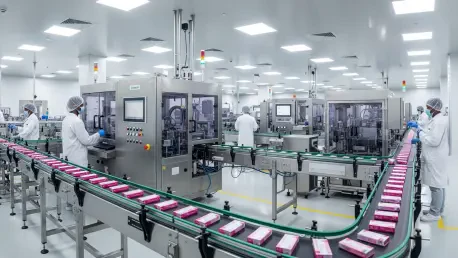

The persistent reliance on foreign-manufactured pharmaceuticals has reached a critical tipping point in Nigeria, prompting industry leaders to demand immediate systemic reforms that prioritize domestic self-sufficiency over short-term import solutions. Currently, the nation imports approximately seventy percent of its essential medicines, leaving the healthcare system vulnerable to global supply chain disruptions and currency fluctuations that inflate retail prices beyond the reach of average citizens. Industry executives, representing the Pharmaceutical Manufacturers Group, have articulated a clear mandate for the federal government to establish a robust framework of incentives and subsidies. This vision involves not merely expanding existing facilities but fundamentally restructuring the economic landscape to favor local formulation. By addressing the high cost of doing business, the government could catalyze a new era of medical security, where life-saving treatments are produced within the borders of Nigeria. This shift remains essential for national health.
Strengthening Operational Resilience and Financial Frameworks
Building on the need for systemic change, the focus shifts to the prohibitive operational expenses that currently stifle the growth of domestic manufacturing plants across the major industrial corridors. Manufacturers frequently report that energy costs alone account for nearly forty percent of their total production expenses, primarily due to the unreliable national power grid and the subsequent dependence on expensive diesel generators. To mitigate these challenges, leaders are advocating for the creation of specialized pharma parks equipped with dedicated power infrastructure and streamlined logistics networks to reduce the time-to-market for essential drugs. Such specialized zones would allow companies to share resources and reduce the overhead associated with individual waste management and water treatment facilities. Transitioning to an efficient energy model is no longer a luxury but a prerequisite for competing with cheaper imports from international markets, which currently dominate the local landscape.
The financial architecture supporting the pharmaceutical sector must evolve to provide the patient capital necessary for the high-tech intensive nature of modern medicine manufacturing. Current interest rates on commercial loans remain prohibitively high for most local firms, making it difficult to fund the research and development required for complex formulations like biologics. Industry veterans suggested that the Central Bank of Nigeria should reintroduce and expand intervention funds specifically tailored for the pharmaceutical value chain, with longer repayment periods and single-digit interest rates. Such financial support would enable manufacturers to transition from simple packaging to the sophisticated production of Active Pharmaceutical Ingredients, which are the core components of all drugs. This goal is vital for 2026 and through 2028, as it would insulate the industry from the volatility of the global market and secure the supply of essential medicines for the entire sub-region.
The strategic roadmap toward pharmaceutical independence was finalized through a series of actionable steps that integrated financial incentives with technological modernization. Stakeholders determined that the implementation of zero-duty tariffs on specialized machinery and raw materials served as the most effective catalyst for lowering the entry barriers for new local competitors. Furthermore, the government prioritized the development of a domestic petrochemical industry capable of supplying the organic compounds needed for drug synthesis, effectively closing the loop on the supply chain. This holistic approach ensured that Nigeria emerged as a regional manufacturing powerhouse rather than a mere consumer in the global health market. By fostering innovation through academic partnerships and protecting domestic patents, the nation moved toward a future where healthcare access was guaranteed by local ingenuity. These actions established a blueprint for self-reliance achieved through consistent policy.