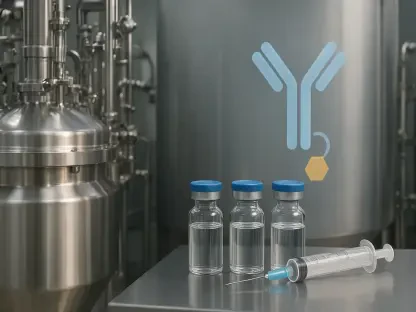

The global healthcare landscape is witnessing a profound paradox where the very institutions dedicated to preserving human life are confronting their own significant contribution to the environmental crises that threaten public health on a planetary scale. This realization has catalyzed a fundamental shift across the pharmaceutical sector, moving beyond the superficiality of corporate social responsibility toward a deeply integrated strategy of Environmental, Social, and Governance (ESG) evolution. Instead of viewing sustainability as an isolated departmental goal or a marketing footnote, major manufacturers are now embedding carbon neutrality and climate resilience into their foundational business models. By codifying these environmental milestones into executive compensation packages and aligning them with international financial reporting standards, the industry is ensuring that ecological impact is measured with the same precision as revenue growth or pipeline development. The transition represents a strategic pivot from reactive compliance to proactive leadership, acknowledging that the future of medicine is inextricably linked to the stability of the natural world.
Scaling Decarbonization and Supply Chain Efficiency
Meeting Science-Based Targets for Operational Energy
To address the high energy demands of drug manufacturing, the industry is aligning with the Science Based Targets initiative (SBTi) to establish clear and measurable pathways for emissions reduction. Major players are targeting a significant drop in operational emissions by overhauling their energy sourcing and moving away from fossil-fuel-dependent systems. This transition involves a heavy investment in on-site renewable energy, such as massive solar arrays and advanced wind turbines, coupled with the use of sustainable biomass to fuel large-scale production facilities. Some manufacturers have already reached milestones where half of their total energy consumption is derived from green power, effectively decoupling their industrial growth from carbon output.
Beyond simple electricity procurement, companies are integrating high-efficiency thermal energy storage and heat pump technologies to decarbonize steam-heavy processes. By replacing traditional gas boilers with electrified alternatives, they are eliminating the primary source of Scope 1 emissions in chemical synthesis. This systemic overhaul is often supported by digital twins and AI-driven energy management systems that optimize power usage in real-time. These technologies allow plants to adjust their consumption based on renewable availability, ensuring that the manufacturing of critical medicines remains uninterrupted while drastically lowering the overall carbon intensity of every pill or vial produced.
Realigning Global Logistics to Reduce Scope 3 Emissions
Reducing value chain emissions, known as Scope 3, remains a complex challenge for pharmaceutical leaders due to the intricacies of global medicine distribution and temperature-sensitive storage requirements. Current strategies focus on a complete reassessment of logistics networks to meet aggressive reduction targets set for the coming decade. A primary tactic in this shift involves moving away from carbon-heavy air freight toward sea freight, which significantly lowers the carbon footprint associated with transporting products to international markets. While sea transport requires longer lead times and more sophisticated inventory planning, the environmental benefits of reduced jet fuel consumption are substantial and necessary for achieving net-zero goals.
Furthermore, the industry is redesigning cold-chain packaging to move away from single-use plastics and energy-intensive insulation materials. The adoption of reusable, vacuum-insulated containers and blockchain-enabled tracking allows for a circular logistics model where shipping materials are recovered and refurbished rather than discarded. By collaborating with third-party logistics providers to utilize electric delivery fleets for the final mile, pharmaceutical companies are closing the loop on their distribution footprint. This holistic approach ensures that the life-saving potential of a pharmaceutical product is not undermined by the environmental cost of its delivery, aligning the entire supply chain with the core values of global sustainability.
Advancing Green Product Design and Chemical Processes
Mitigating the Footprint of Respiratory Care Devices
A significant portion of the sector’s environmental impact is locked within the products themselves, particularly in devices like pressurized metered-dose inhalers that millions rely on daily. Because traditional inhalers rely on propellants with high global warming potential, such as hydrofluoroalkanes, companies are investing heavily in green product innovation to develop next-generation devices. Switching to near-zero global warming potential propellants can reduce product-related emissions by over 90 percent, transforming a major environmental risk into a sustainable medical solution. This shift requires extensive clinical validation and regulatory coordination, but the resulting reduction in atmospheric impact is a cornerstone of the industry’s green transition.
In addition to propellant changes, manufacturers are exploring the use of bio-based plastics and recycled aluminum for the physical housing of respiratory devices. By implementing take-back programs, pharmacies and clinics can facilitate the recovery of used inhalers, ensuring that the metal and plastic components enter a recycling stream rather than a landfill. This focus on the entire lifecycle of the device—from the chemical nature of the propellant to the end-of-life disposal—illustrates a move toward circular design. These innovations represent a critical intersection of patient care and environmental responsibility, proving that medical efficacy and ecological preservation can coexist within the same product architecture.
Bridging Technological Gaps in Manufacturing Ecosystems
Despite the advancements among market leaders, significant gaps remain in the broader manufacturing ecosystem, particularly among smaller enterprises that often lack the capital for sophisticated waste handling systems. To address this, the industry is increasingly moving toward the standardization of zero-liquid discharge and solvent recovery systems across all manufacturing clusters. These systems ensure that no active pharmaceutical ingredients or hazardous chemicals are discharged into local water bodies, preventing the rise of antimicrobial resistance and ecological toxicity. By sharing best practices and technological blueprints, larger firms are helping to elevate the environmental standards of the entire global production base.
The adoption of green chemistry principles offers a vital opportunity to minimize hazardous chemical use and reduce the environmental degradation associated with raw material production. Scientists are now prioritizing “atom economy,” which focuses on maximizing the incorporation of all materials used in the process into the final product. This reduces the sheer volume of waste generated during chemical synthesis and lowers the demand for virgin raw materials. By replacing toxic reagents with enzymatic catalysts and biodegradable solvents, the industry is fundamentally redesigning the way molecules are built. These process improvements not only lower the carbon footprint but also improve worker safety and reduce the long-term liability associated with chemical waste management.
Strengthening Resource Security and Operational Resilience
Prioritizing Water Circularity and Freshwater Replenishment
Water management has evolved from an optional reporting metric into a critical factor for industrial survival and business continuity in a world of increasing scarcity. Many pharmaceutical companies are now pursuing a “Water Positive” status, focusing on replenishing more water than they consume through high recycling rates and advanced treatment technologies. This involves the installation of membrane bioreactors and reverse osmosis units that allow for the continuous reuse of process water within the facility. As climate change increases water stress in key production hubs, achieving circularity in water use is becoming a fundamental requirement for maintaining stable operations and community relations.
Beyond internal recycling, companies are engaging in external freshwater replenishment projects to restore local watersheds and improve water quality for surrounding populations. These initiatives often include reforestation, wetland restoration, and the implementation of efficient irrigation systems for local farmers. By treating water as a shared resource rather than a private utility, the industry is building local resilience and securing its own license to operate in drought-prone regions. This strategic focus on water circularity ensures that the high-volume water needs of pharmaceutical manufacturing do not compete with the basic needs of local ecosystems and human communities, fostering a more sustainable and equitable industrial model.
Hardening Infrastructure Against Climate-Related Risks
Physical climate risks, such as extreme heatwaves, intense flooding, and severe storms, pose direct threats to the stability of production facilities and the global supply of medicine. To mitigate these risks, companies are utilizing standardized climate disclosure frameworks to assess vulnerability and implement infrastructure hardening across their global portfolios. This includes retrofitting older factories with flood barriers, reinforcing roofs against high winds, and installing redundant cooling systems to handle record-breaking summer temperatures. By treating climate adaptation as a capital investment priority, manufacturers are ensuring that the flow of life-saving drugs remains steady even during environmental disruptions.
Furthermore, the industry is mapping climate risks across its entire supplier network to identify potential points of failure before a disaster occurs. This proactive mapping allows companies to diversify their sourcing and establish utility redundancy for critical resources like power and water. In some cases, this has led to the development of localized microgrids that allow a production site to operate independently of the regional power grid during emergencies. These resilience measures are no longer viewed as optional costs but as essential protections for the company’s value chain. Hardening infrastructure against the realities of a changing climate is a prerequisite for any pharmaceutical entity that aims to provide reliable healthcare in an increasingly volatile environment.
Navigating the Global Regulatory and Governance Landscape
Maintaining Sustainability Commitment Amid Geopolitical Shifts
The pharmaceutical sector must navigate a fragmented global regulatory landscape where standards for climate disclosure and environmental reporting vary significantly by region. Despite shifting political priorities and geopolitical volatility, industry leaders emphasize that long-term sustainability must remain a core internal value rather than a reactive policy. Maintaining this commitment is essential, as geopolitical conflicts can rapidly destroy essential resources and undo years of environmental progress in a matter of months. Companies that stay the course on their ESG targets, regardless of short-term political winds, are better positioned to manage the long-term risks associated with resource scarcity and regulatory change.
To maintain this stability, many organizations have established independent ESG boards that report directly to the chief executive and the board of directors. These bodies are tasked with ensuring that environmental goals are not sidelined during economic downturns or periods of international instability. By embedding these objectives into the corporate charter, the industry is creating a governance structure that prioritizes planetary health as much as shareholder returns. This institutionalization of sustainability allows companies to weather external shocks and continue their progress toward carbon neutrality. In an era of uncertainty, a steadfast commitment to ESG principles serves as a strategic anchor for the world’s leading pharmaceutical innovators.
Integrating Holistic ESG Principles into Future Growth
The definition of a successful pharmaceutical entity has evolved to include the seamless integration of ESG principles into every stage of a drug’s lifecycle, from initial molecular design to final delivery at the patient’s doorstep. Success in this new landscape requires a shift away from short-term financial thinking in favor of a strategy that treats ecological stability as a prerequisite for human health. By focusing on green chemistry, circular logistics, and carbon neutrality, the industry aims to ensure that the process of curing diseases does not contribute to the very environmental crises it seeks to alleviate. This holistic approach is the only way to guarantee long-term viability in a world that increasingly values corporate accountability.
Industry leaders recognized that the path forward necessitated a total reimagining of the manufacturing and distribution process. They prioritized the development of standardized environmental impact assessments for every new molecule in the pipeline, ensuring that sustainability was built in from day one. Organizations also moved to expand their transparency, providing detailed data on their carbon and water footprints to investors and patients alike. For those looking to follow this lead, the next steps include auditing existing supply chains for climate vulnerability and investing in solvent recovery technologies. By adopting these measures, the sector proved that industrial progress and environmental protection are not mutually exclusive but are instead the twin pillars of a resilient and responsible global healthcare system.