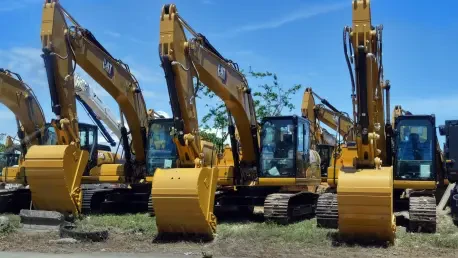

The competitive landscape of North American heavy machinery has undergone a massive transformation as contractors demand higher precision and lower operating costs for infrastructure projects. As labor shortages continue to challenge the construction sector from 2026 to 2028, the introduction of Sany’s latest heavy equipment series represents a pivotal moment for regional fleet managers seeking to maximize productivity. These machines are engineered specifically for the North American market, incorporating localized feedback to ensure they meet the rigorous demands of domestic job sites. By merging robust mechanical engineering with sophisticated digital interfaces, these latest models provide a competitive edge in a market where efficiency is no longer a luxury but a fundamental requirement for survival. This strategic expansion demonstrates a deep commitment to providing high-value solutions that address the specific logistical and technical hurdles faced by modern heavy equipment operators.
Technological Advancement: Precision and Automation
Integrated Grading Systems: The Future of Accuracy
One of the standout features of the new excavator series is the factory-installed 2D and 3D grade control systems which allow operators to maintain exact depths and slopes without constant manual checking. This level of automation significantly reduces the reliance on traditional ground crews and physical stakes, which streamlines the workflow and accelerates project timelines. The integration of high-definition GNSS technology ensures that the machine remains synchronized with digital site plans in real-time, providing the operator with instant feedback through an intuitive interface. By utilizing these advanced sensors, the excavators can achieve sub-centimeter accuracy, which minimizes over-excavation and the associated costs of wasted fuel and materials. This shift toward intelligent machine control allows even less experienced operators to produce high-quality results, thereby mitigating the impact of the skilled labor gap currently affecting the national construction industry.
Ergonomic Cab Design: Enhancing Operator Performance
Beyond the external sensors and automated controls, Sany has placed a significant emphasis on the interior environment to ensure that operators can maintain peak performance throughout long shifts. The new cab architecture features a fully pressurized environment with advanced noise-cancellation technology, which creates a quiet and focused workspace even in the middle of active urban construction zones. High-resolution touchscreens serve as the primary hub for all machine functions, allowing for the customization of hydraulic settings and attachment parameters with just a few taps. Improved visibility is achieved through a combination of expansive glass panels and a 360-degree camera system that provides a comprehensive view of the surroundings for enhanced safety. Ergonomic seating with adjustable joysticks further reduces physical strain on the body, ensuring that productivity does not decline as the workday progresses. These localized enhancements prioritize the health and comfort of the American workforce.
Operational Excellence: Efficiency and Reliability
Power Management: Dynamic Hydraulic Systems
The mechanical core of these new excavators is centered around highly efficient engines that meet the strictest North American emission standards while delivering exceptional torque. Sophisticated power management systems have been implemented to synchronize engine output with hydraulic demand, which ensures that fuel is only consumed when the machine is actively performing work. Multiple operation modes, including specialized eco-settings, allow contractors to tailor the performance of the machine to the specific requirements of the task at hand. This intelligent distribution of energy not only lowers the overall carbon footprint of the project but also significantly extends the life of critical components by preventing unnecessary wear and tear. Furthermore, the inclusion of auto-idle and auto-shutdown features helps to preserve fuel during downtime, which remains a major contributor to operating expenses for large-scale fleets. These innovations ensure that the machinery remains cost-effective over its entire operational lifespan.
Data Intelligence: Predictive Maintenance Solutions
The rollout of these advanced excavators established a new benchmark for how data was utilized to ensure maximum uptime through integrated telematics. By leveraging the EVI platform, fleet owners monitored machine health in real-time and received proactive alerts before minor issues escalated into costly mechanical failures. This transition to predictive maintenance allowed organizations to schedule service intervals based on actual usage patterns rather than arbitrary timelines. Moving forward, construction firms should prioritize the training of their technical staff to interpret this diagnostic data, as the ability to act on these insights became the primary differentiator between successful projects and delayed ones. Investing in these digital tools proved essential for maintaining a competitive posture in the market through 2028. Future considerations should involve the integration of these telematics into broader enterprise resource planning systems to create a truly connected job site where every machine contributed to a holistic view of operational efficiency.