
The transformation of the United Arab Emirates into a global manufacturing center has reached a significant milestone with the inauguration of a specialized industrial cluster that redefines the intersection of scale and environmental stewardship. This landmark development, situated in Umm Al Quwain, represents a strategic investment of AED 440 million and marks a pivotal moment for the regional heavy industry sector as it aligns with the ambitious “Make it in the Emirates” national campaign. By concentrating diverse metallurgical expertise within a single 1.4 million square foot zone, the project facilitates a sophisticated supply chain that enhances the country’s industrial self-sufficiency. This facility does not merely represent a collection of factories but serves as an integrated engine for growth that leverages the latest advancements in steel processing to meet rising domestic and international demand. This initiative demonstrates how targeted infrastructure investments can catalyze a broader economic shift toward high-value manufacturing and sustainable development.
Strategic Integration: A New Model for Industrial Clusters
Collaborative Ecosystems: Driving Operational Synergies
The establishment of this interconnected industrial zone is a result of a deep collaboration between CIM Steel Industry LLC, Rhino Steel Industries LLC, and Metal Care Center Factory LLC, working under the guidance of the Umm Al Quwain Industrial City Authority. This tripartite alliance allows each entity to focus on its specific manufacturing niche while simultaneously benefiting from shared infrastructure and streamlined logistics that reduce operational overhead. By locating these facilities within a unified 1.4 million square foot industrial footprint, the cluster creates a seamless flow of materials from the initial melting phase to the final coated products, minimizing transportation delays and handling costs. This proximity encourages a culture of innovation where technical insights and resource management strategies are shared across the organizations to optimize output. The synergy found here is a blueprint for future industrial parks, proving that horizontal integration can lead to massive gains in productivity and long-term viability.
In addition to the physical infrastructure, the administrative support from the Umm Al Quwain Industrial City Authority has been instrumental in creating a business-friendly environment that attracts significant capital. This partnership between the public sector and private industry ensures that the regulatory framework remains conducive to rapid scaling and technological adoption. By providing a centralized location with robust utility connections and direct access to major transport arteries, the authority has lowered the barrier to entry for advanced manufacturing. This strategic positioning allows the cluster to act as a magnet for specialized labor and ancillary service providers, further strengthening the local economic fabric. The success of this model suggests that the future of UAE industry lies in these highly specialized hubs where expertise is concentrated and resources are utilized with maximum efficiency. This approach naturally leads to a more resilient industrial base capable of weathering global market fluctuations while maintaining steady production volumes.
Technical Prowess: Advanced Processing and Metallurgy
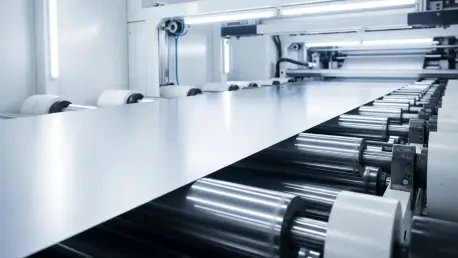
At the heart of this industrial achievement lies a suite of advanced manufacturing technologies that allow the cluster to achieve a combined annual production and processing capacity of nearly one million tons of steel. Rhino Steel Industries LLC has introduced the region’s first fully automatic continuous coating line for Aluzinc coils, a move that places the UAE at the forefront of high-end surface treatment technology. This automated system ensures a level of precision and consistency that was previously difficult to achieve in local markets, providing a superior product for the construction and automotive sectors. Meanwhile, CIM Steel Industry LLC operates a state-of-the-art cold rolling mill that processes steel into thin, high-strength sheets with exacting tolerances. These technical capabilities represent a significant leap forward in the domestic production of specialized steel products, reducing the reliance on imported materials and ensuring that the high standards of global infrastructure projects are met right here in the region.
Complementing these downstream processes, the Metal Care Center Factory LLC provides a foundational steel melt shop and a dedicated rolling mill for long products like rebar and structural sections. This facility serves as the backbone of the cluster, transforming raw materials into the essential building blocks of modern architecture and engineering. By integrating the entire production cycle—from the primary melting of scrap or raw ore to the final application of protective coatings—the hub ensures total quality control at every stage of the manufacturing process. The use of computerized monitoring systems and real-time data analytics allows for the immediate adjustment of furnace temperatures and rolling speeds, which optimizes energy consumption and material yield. This focus on technical excellence ensures that the output is not only high in volume but also superior in quality, meeting the rigorous demands of the modern global market. This integration of diverse metallurgical disciplines within a single site creates a powerhouse of production.
Sustainable Foundations: Shaping the Future of Industry
Green Steel: A Commitment to Environmental Stewardship
The project sets a new regional benchmark by prioritizing “green steel” initiatives and integrating environmentally responsible manufacturing practices into its core operational philosophy. By focusing on energy-efficient operations and sophisticated recycling systems, the participating companies have demonstrated that heavy industry can successfully align with national sustainability goals. One of the primary pillars of this approach is the zero-wastage principle, where byproducts from one part of the process are reclaimed and reused or sold to other industries as raw materials. For instance, the slag produced during the melting process is often processed for use in road construction or cement manufacturing, ensuring that nothing goes to landfill. This commitment to a circular economy model not only reduces the environmental footprint of the steel hub but also improves the overall cost-effectiveness of the operation by turning waste streams into potential revenue sources.
The shift toward greener production also involves the implementation of advanced air filtration systems and water treatment plants that ensure emissions and effluents are kept well below international safety standards. By investing in these protective technologies, the Umm Al Quwain hub protects the local ecosystem while setting a high bar for other industrial players in the region. The use of energy recovery systems, which capture heat from the furnaces to pre-heat materials or generate auxiliary power, further reduces the carbon intensity of every ton of steel produced. These initiatives are not merely cosmetic; they represent a fundamental change in how the steel industry views its role in a world increasingly focused on decarbonization. As global regulations regarding carbon borders and environmental reporting become more stringent, this early adoption of sustainable practices positions the UAE’s industrial sector as a competitive and forward-thinking leader in the global marketplace.
Economic Expansion: Catalyzing Growth and Opportunity
Beyond the immediate production of steel, the launch of this AED 440 million cluster acted as a massive economic catalyst for the northern emirates. The project stimulated immediate growth across the logistics and transportation sectors, as the movement of one million tons of material annually required a robust network of haulage and shipping services. This increased demand benefited local trucking companies and port facilities, creating a ripple effect that supported thousands of indirect jobs. Furthermore, the specialized nature of the equipment used in the cold rolling and coating lines necessitated the hiring of highly skilled engineers and technicians, fostering a new generation of industrial talent within Umm Al Quwain. The influx of workers and business travelers also increased the demand for local services, ranging from hospitality to retail, thereby revitalizing the surrounding community and encouraging further infrastructure development.
The long-term success of this hub required a shift toward proactive maintenance and continuous technological upgrading to ensure that the facility remained competitive. Stakeholders recognized that maintaining a lead in the green steel market involved ongoing investment in renewable energy integration, such as onsite solar arrays to offset peak power demands. They also focused on expanding the technical training programs for the local workforce to ensure a steady supply of qualified personnel capable of operating automated systems. Looking forward, the establishment of research and development centers within the cluster became a priority to explore new alloy compositions and even more efficient coating techniques. By moving away from traditional production methods and embracing a holistic, tech-driven approach, the participants secured a dominant position in the regional market. These actions transformed the industrial landscape of Umm Al Quwain into a vibrant center of innovation that proved the immense value of integrated, sustainable manufacturing strategies.