
The global transition toward sustainable mobility has fundamentally altered the supply chain requirements for essential metals, leading many manufacturers to reconsider the long-standing dominance of copper. For over a century, copper has reigned as the undisputed king of electrical conductivity, serving as the backbone for everything from primitive ignition systems to the complex wiring harnesses of modern luxury sedans. However, the current landscape of 2026 presents a series of unprecedented challenges, including extreme price volatility and a pressing need for vehicle lightweighting that copper simply cannot address alone. As electric vehicles demand more conductive material than their internal combustion predecessors, the sheer volume of metal required has reached a critical mass where even minor weight savings or price fluctuations can impact the bottom line of a global automaker. Consequently, the industry is witnessing a strategic pivot toward aluminum, a metal once relegated to structural components but now emerging as the primary conductor for the next generation of high-voltage automotive architectures.
The Economic Logic of Material Substitution
Analyzing Market Volatility: The Price Gap Between Metals
The most immediate catalyst for the industrial migration away from copper is the widening price disparity between traditional conductors and their lighter alternatives in the global commodities market. While copper remains a superior conductor in terms of electrical efficiency per volume, its price has surged to levels that force procurement teams to seek more sustainable financial alternatives for large-scale production. Currently, copper often trades at four times the price of aluminum, a gap that has been exacerbated by the massive demand for copper in renewable energy infrastructure and high-capacity data centers. Because aluminum is the most abundant metal in the Earth’s crust, its supply chain is significantly more resilient to the localized disruptions that frequently send copper prices into a tailspin. For manufacturers producing millions of vehicles annually, substituting copper with aluminum for heavy-gauge power cables and battery interconnects represents a potential saving of hundreds of millions of dollars in raw material costs alone.
Crossing the Threshold: The Economic Tipping Point for Industry
Industrial engineers and financial analysts generally operate under a specific set of economic rules that dictate when a material switch becomes a logical necessity for corporate survival. Historically, when the price of copper exceeds approximately 3.5 times the price of aluminum, the specialized costs associated with redesigning components and retooling assembly lines become justifiable investments for most major brands. In the current market environment of 2026, this ratio has been consistently exceeded, leading to a wave of announcements from tier-one suppliers who are now prioritizing aluminum-based solutions for their upcoming product cycles. Beyond the immediate savings on the metal itself, the move to aluminum allows companies to hedge against the geopolitical risks associated with copper mining, which is often concentrated in regions prone to labor disputes or regulatory shifts. By diversifying their material requirements, automakers are effectively building a more robust financial foundation that can withstand the unpredictable ebbs and flows of international metal trading.
Engineering for Performance and Efficiency
Lightweighting Strategies: Enhancing Range Through Mass Reduction
Beyond the financial incentives, the physical properties of aluminum offer a distinct engineering advantage that is particularly relevant in the era of high-range electric and hybrid vehicles. Although aluminum is less conductive than copper by volume, it is significantly less dense, meaning that an aluminum conductor capable of carrying the same current as a copper wire will weigh roughly half as much. This weight reduction is a critical factor for brands like Ferrari and BMW, which have integrated aluminum wiring into their high-performance models to improve power-to-weight ratios and overall vehicle dynamics. Every kilogram removed from a vehicle’s electrical system directly contributes to a more efficient use of battery energy, which in turn extends the driving range and reduces the reliance on massive, heavy battery packs. As consumers continue to prioritize range and charging speed, the ability to shave significant weight from the wiring harness has become a competitive necessity rather than a mere design choice for high-end manufacturers.
Overcoming Technical Hurdles: Connectivity and Thermal Management
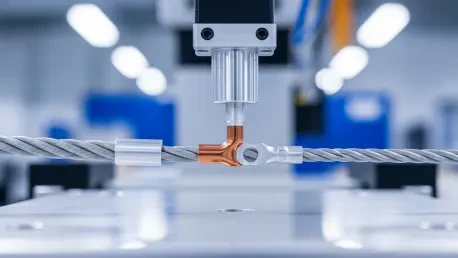
Integrating aluminum into automotive electrical systems is not without its technical complexities, as the metal requires specialized handling to ensure long-term reliability in harsh environments. Aluminum naturally forms an insulating oxide layer when exposed to air, and its coefficient of thermal expansion differs significantly from the brass or copper terminals traditionally used in automotive connectors. To address these challenges, engineers have developed innovative solutions such as friction stir welding, ultrasonic bonding, and specialized vibration-resistant terminals that maintain a stable connection over the vehicle’s lifespan. Furthermore, while aluminum conductors require more physical space to match the conductivity of copper, the development of high-voltage busbars has allowed manufacturers to manage this volume efficiently within the cramped confines of a battery pack. These advancements in joining technology and thermal management have effectively neutralized the historical drawbacks of aluminum, allowing it to compete directly with copper in the most demanding high-stress applications.
Global Market Dynamics and Industrial Trends
Competitive Advantages: The Role of China in Material Shifts
China has emerged as the global leader in the adoption of aluminum substitution, driven by a national strategy to secure a dominant position in the electric vehicle market and minimize dependence on imported copper. Major Chinese domestic manufacturers have aggressively implemented aluminum wiring across their entire lineups, leveraging their control over much of the global aluminum supply chain to drive down production costs. By benchmarking their strategies against early innovators like Tesla, these firms are setting a new standard for the industry that emphasizes speed to market and material efficiency over traditional loyalty to legacy metals. This shift is not merely about cost reduction; it is also about resource security, as the Chinese government encourages domestic firms to utilize materials that can be sourced and processed within their own borders. As a result, the global automotive landscape is being reshaped by a competitive race where the ability to master alternative materials is becoming a defining characteristic of the most successful and profitable companies.
Broadening the Scope: Industrial Adoption Beyond the Automotive Sector
The momentum behind aluminum substitution is also expanding into other heavy industries, most notably in the production of heating, ventilation, and air conditioning systems for residential and commercial buildings. Traditionally, HVAC units relied heavily on copper tubing for heat exchangers due to its excellent thermal conductivity, but the rising cost of copper has prompted a shift toward aluminum microchannel heat exchangers. These new designs often offer superior efficiency and reduced refrigerant volume, echoing the trend seen in the automotive sector where material changes lead to broader performance improvements. Analysts predict that by 2030, aluminum will have captured a substantial portion of the market share previously held by copper in appliances, power distribution, and even high-speed rail systems. As recycling technologies for aluminum continue to improve, the metal’s environmental profile becomes increasingly attractive to companies looking to meet strict sustainability targets while maintaining high levels of industrial output and operational efficiency.
Future Considerations for Material Integration
The transition toward aluminum represented a fundamental shift in how the automotive industry balanced the competing demands of performance, cost, and sustainability. For companies to remain competitive in this evolving landscape, they invested heavily in advanced metallurgy and precision manufacturing techniques that allowed for the seamless integration of aluminum into legacy systems. Organizations that successfully navigated this change realized that material selection was no longer a static decision but a dynamic part of their long-term strategic planning. Looking forward, engineering teams should prioritize the development of multi-material architectures that utilize the specific strengths of both copper and aluminum where they are most effective. Future research into high-conductivity alloys and bio-inspired wire shielding promised to further reduce the mass of vehicle electronics while maintaining the highest safety standards. Ultimately, the successful adoption of aluminum served as a blueprint for how a mature industry could pivot in response to shifting global realities, ensuring that innovation remained the primary driver of automotive excellence.