
The Dawn of a New Era in Pharmaceutical Production
The pharmaceutical landscape is undergoing a radical metamorphosis as advanced machine learning algorithms migrate from isolated laboratory settings directly into the heart of high-volume manufacturing facilities. This transition signifies a fundamental shift in drug production, moving away from fragmented experiments toward fully integrated and intelligent systems. According to current analysis, the primary objective is to render production cycles faster, more reliable, and significantly easier for operational teams to oversee. Rather than treating artificial intelligence as a disruptive outsider, forward-thinking organizations have begun embedding it into existing models to strengthen established manufacturing practices. This analysis explores how the convergence of intelligence and simulation is reshaping industry standards.
From Test Tubes to Tech Stacks: The Historical Shift
Historically, pharmaceutical manufacturing was defined by rigid processes and massive capital expenditures. For decades, the industry relied heavily on physical trials and reactive maintenance protocols, which frequently led to substantial downtime and material waste. The foundational shift began when manufacturers recognized that constructing new infrastructure from the ground up was no longer the most viable path to expansion. Instead, the strategy turned toward maximizing the efficiency of existing facilities through aggressive digitization. This evolution responded to the urgent need for batch consistency and a reduced time-to-market for critical therapies. Understanding this background explains why AI is now treated as a core component of daily infrastructure rather than an experiment.
Core Pillars of Digital Transformation
Digital Twins: A Predictive Powerhouse
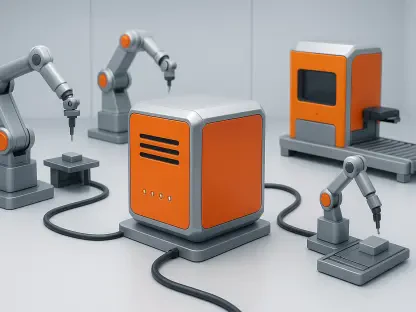
At the center of this technological evolution is the widespread adoption of digital twins—sophisticated virtual representations of physical manufacturing systems. By utilizing real-world data to simulate performance, these twins allow engineers to identify potential errors and optimize chemistry before committing resources to a physical run. This capability transitions the industry from a reactive model to a proactive strategy focused on prevention. Through real-time quality monitoring, manufacturers can drastically reduce waste and ensure every batch meets stringent safety standards. The resulting resilience allows the supply chain to withstand the inherent complexities of modern drug formulation.
Scaling Production: High-Value Therapies
Global demand for high-value therapies, particularly GLP-1 agonists for obesity and diabetes, has accelerated the adoption of these digital tools. Leading enterprises have already moved digital twins from the experimental pilot stage to full production-scale assets. This scaling is vital for meeting worldwide demand without compromising the rigorous quality necessary for medicine. The ability to simulate various scenarios allows companies to ramp up production of high-demand drugs more efficiently than previously possible. Digital transformation has effectively moved from a luxury to a strategic necessity for market competition in high-stakes environments.
Overcoming the Hurdles: Legacy Systems and Data Integrity
Despite these advancements, the transition to a fully digital factory remains complex. Many organizations continue to navigate the limitations of legacy systems that were never designed for modern software connectivity. Furthermore, uneven data quality across departments often results in inaccurate simulations, which can undermine the efficacy of a digital twin. Moving from small-scale pilots to routine use within a highly regulated environment necessitates a significant cultural shift. Addressing misconceptions regarding the ease of AI integration is essential for long-term operational success and ensuring data integrity remains a priority.
Navigating the Future Landscape: Smart Manufacturing
The regulatory landscape is rapidly adapting to accommodate these digital advancements. The U.S. Food and Drug Administration has initiated pilot programs that utilize AI to identify low-risk manufacturing sites, potentially allowing for streamlined, one-day inspections. This risk-based approach enables regulators to concentrate oversight where it is most needed. Simultaneously, the European Medicines Agency emphasizes a human-centered approach, ensuring AI transparency throughout the medicine lifecycle. Future innovations will likely see AI become hardwired into production, where autonomous systems handle routine quality checks, allowing experts to focus on strategic innovation.
Strategic Recommendations: An AI-Driven Industry
Success in this evolving market depends on the seamless merger of biological expertise with digital infrastructure. Organizations should prioritize data integrity and eliminate silos between IT and operational teams. It is advisable to treat AI integration as a long-term infrastructure investment rather than a series of disconnected projects. Professionals must develop bilingual skills, mastering both the nuances of drug production and the technical requirements of data science. By focusing on maximizing existing facility output and adopting risk-based compliance, companies can build agile manufacturing ecosystems capable of rapid adaptation.