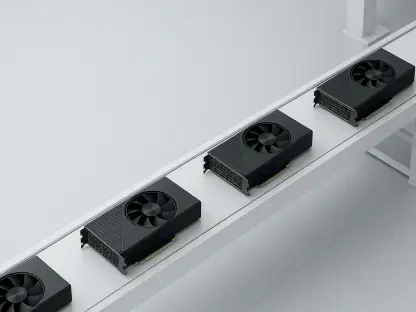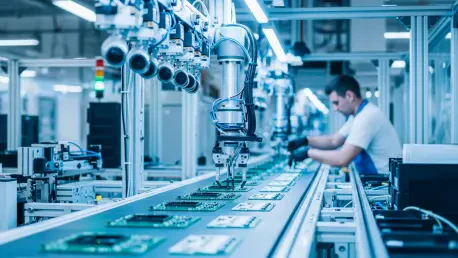

The landscape of European industrial production is currently undergoing a profound metamorphosis as the rigid, pre-programmed automation of the past gives way to flexible, data-driven intelligence powered by Artificial Intelligence. This monumental shift is not merely an incremental improvement in speed but a fundamental reimagining of the assembly line, where cognitive capabilities now prioritize enhanced decision-making over mechanical repetition. By integrating these advanced systems, manufacturers in Poland are successfully navigating the complexities of modern production environments, ensuring that every component is handled with a level of precision that was previously unattainable. The emergence of the smart factory has redefined the role of technology, moving from simple execution to active participation in the manufacturing process. As a result, the industry is seeing a marked increase in efficiency, as AI systems analyze vast streams of data to optimize workflows in real time. This evolution ensures that the manufacturing sector remains resilient in the face of global economic shifts, providing a robust framework for future growth and innovation across the continent.
Poland as a Strategic Manufacturing Hub
Regional Advantages and Industry Diversification
The ascent of the Polish electronics sector is largely attributed to its unique ability to serve a diverse range of high-tech industries that demand extreme flexibility and precision. By catering to the specialized needs of the automotive, telecommunications, and medical sectors, Polish factories have cultivated a versatile production environment that is uniquely suited for AI integration. This versatility allows manufacturers to switch between complex product lines with minimal downtime, a capability that has become increasingly valuable as global markets demand faster turnaround times. Furthermore, the presence of a highly skilled engineering workforce provides the necessary intellectual capital to implement and maintain these sophisticated systems. This pool of talent, combined with a robust educational infrastructure, ensures that the country remains at the forefront of technical innovation in the region, attracting significant international investment from firms looking for high-quality assembly services.
Strategic positioning within Europe has further solidified the country’s role as a vital bridge between innovation and logistical execution. As many European companies seek to mitigate the risks associated with long-distance supply chains, the trend of nearshoring has turned Poland into a primary destination for those wanting to move production closer to their end markets. This geographic advantage reduces transportation costs and lead times, allowing for a more responsive supply chain that can adapt to sudden shifts in consumer demand. Moreover, the integration of AI within these local hubs enables a level of transparency and coordination that was previously impossible. By housing production within the European trade zone, companies can ensure stricter compliance with regional standards while benefiting from the logistical convenience of a central location. This combination of geographic and technological advantages has transformed the local landscape into a cornerstone of the modern electronics industry.
The Shift Toward Industry 5.0
While the initial wave of digital transformation focused on the connectivity and automation characteristic of Industry 4.0, the current trend emphasizes the transition toward Industry 5.0. This newer model seeks to harmonize the relationship between advanced technological systems and human creativity, ensuring that the workforce remains an integral part of the manufacturing ecosystem. In this context, AI is not viewed as a replacement for human labor but as a powerful tool that augments the capabilities of engineers and technicians. This human-centric approach allows workers to focus on high-level problem solving and innovation, while AI handles the data-intensive tasks that require superhuman speed and accuracy. By fostering this synergy, factories are able to achieve a level of productivity that neither humans nor machines could reach independently, creating a more sustainable and fulfilling work environment for all employees.
The adoption of Industry 5.0 principles has also led to a more ethical and sustainable manufacturing framework across the region. By prioritizing the well-being and development of the workforce, manufacturers are able to retain top talent in a highly competitive global market. This focus on human-machine collaboration encourages continuous learning and professional growth, as employees are trained to manage and interpret the outputs of complex AI systems. Additionally, this model promotes a more flexible production line that can easily adapt to customized or small-batch orders, which are becoming more common as personalization becomes a key market driver. The shift toward a more collaborative industrial model ensures that the technological progress achieved through AI is balanced with the social and economic needs of the community, creating a resilient foundation for long-term industrial success in the modern era.
The Technological Ecosystem of the Smart Factory
Machine Learning and Cognitive Vision
In the modern smart factory, Artificial Intelligence manifests as an interconnected suite of technologies, with machine learning and cognitive vision serving as the primary drivers of operational excellence. Machine learning algorithms are now capable of processing astronomical amounts of historical and real-time data to identify subtle trends and anomalies that would be invisible to the human eye. These systems continuously learn from the production environment, refining their predictive capabilities to improve yield and reduce errors over time. By analyzing patterns in component failure or assembly bottlenecks, machine learning provides managers with actionable insights that lead to more informed strategic decisions. This constant state of self-improvement allows the factory to evolve dynamically, ensuring that the production process becomes more efficient with every unit that rolls off the assembly line.
Complementing this data-driven intelligence is the implementation of machine vision, which provides the factory with the ability to “see” and interpret the physical world with incredible precision. High-resolution cameras and sensors are positioned throughout the assembly line to monitor the placement of microscopic components and detect defects in mere milliseconds. This cognitive vision goes beyond simple template matching; it uses neural networks to understand the context of the assembly process, identifying misalignments or solder defects that might bypass traditional inspection methods. The integration of these two technologies creates a powerful feedback loop where visual data informs machine learning models, and those models, in turn, enhance the sensitivity of the vision systems. This dual-layered approach ensures that the factory operates with a level of accuracy and speed that defines the current standard of excellence in electronics manufacturing.
Connectivity Through the Industrial Internet of Things
The Industrial Internet of Things, or IIoT, functions as the central nervous system of the modern electronics factory, providing the connectivity necessary for AI to flourish. Every piece of machinery, from surface mount technology lines to final assembly stations, is equipped with a vast array of sensors that monitor critical variables such as temperature, vibration, and mechanical speed. This continuous stream of data is fed back to a centralized AI engine, creating a fully transparent production environment where every action is recorded and analyzed. This level of connectivity allows for real-time adjustments to be made across the entire floor, ensuring that every machine is operating at its peak performance. By breaking down the silos between different stages of production, IIoT enables a holistic view of the manufacturing process, allowing for unprecedented levels of coordination and efficiency.
Beyond simple monitoring, the integration of IIoT facilitates a more proactive approach to factory management by enabling a constant dialogue between different systems. For example, if a sensor on a pick-and-place machine detects a slight increase in heat, the central AI can automatically adjust the production speed or alert maintenance teams before a failure occurs. This seamless communication ensures that the factory remains a cohesive unit, rather than a collection of isolated machines. Furthermore, the data collected through IIoT provides a rich foundation for long-term process optimization, allowing engineers to identify and eliminate inefficiencies that were previously hidden. As factories become more connected, the ability to harvest and utilize this data becomes a significant competitive advantage, allowing Polish manufacturers to maintain their lead in a rapidly changing global market where agility and transparency are the primary keys to success.
Digital Twins and Collaborative Robotics
Manufacturers are increasingly relying on digital twins to navigate the complexities of modern assembly lines without the risks associated with physical downtime. A digital twin is a high-fidelity virtual replica of the entire factory floor, which allows engineers to simulate changes in production workflows or test new equipment in a purely digital space. By running “what-if” scenarios, companies can predict how a change in the assembly sequence will affect overall throughput or identify potential bottlenecks before they ever happen in the physical world. This capability is particularly useful when introducing new product designs or scaling up production, as it provides a safe environment for experimentation and optimization. The use of digital twins significantly reduces the time and cost associated with process improvements, ensuring that the physical factory is always operating with the most efficient possible configuration.
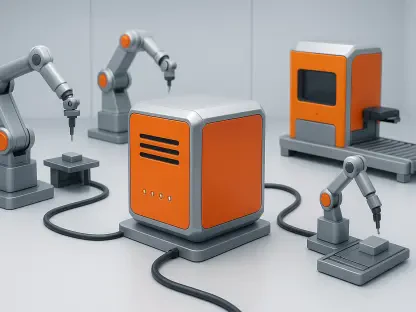
In parallel with virtual simulations, the physical labor of the factory is being transformed by the introduction of collaborative robots, or “cobots.” Unlike traditional industrial robots that operate in isolated cages, cobots are designed with advanced safety sensors that allow them to work side-by-side with human operators. These machines are typically tasked with repetitive, high-precision, or ergonomically challenging duties, such as applying adhesives or handling heavy components. By offloading these tasks to cobots, human workers are freed to focus on quality oversight and complex problem-solving activities that require human intuition. This collaborative environment not only improves the overall safety of the workplace but also enhances the flexibility of the production line, as cobots can be easily reprogrammed or moved to different stations as needs change. The combination of digital simulation and physical collaboration represents a major leap forward in the quest for a more agile and responsive manufacturing sector.
Revolutionizing Quality Control and Reliability
Precision Through AI-Powered Inspection
One of the most transformative applications of artificial intelligence in the electronics industry is the advancement of automated optical inspection, which has become indispensable for modern component assembly. As printed circuit boards become increasingly dense and the components themselves shrink to microscopic sizes, traditional manual inspection is no longer a viable option for high-volume production. AI-powered systems are now capable of examining thousands of solder joints and component placements in a fraction of a second, identifying errors that would be impossible for a human to see. These systems use deep learning to differentiate between benign cosmetic variations and critical functional defects, ensuring that only the highest quality products move forward. This level of precision is essential for meeting the stringent reliability standards required by the medical and aerospace industries, where even a minor failure can have catastrophic consequences.
The integration of AI into the inspection process also allows for a more granular level of data collection, which can be used to improve the earlier stages of production. When a defect is identified, the AI system does not just flag the part for rework; it also analyzes the root cause of the error by correlating it with data from the printing or placement machines. This feedback loop allows for immediate corrections to be made, such as adjusting the volume of solder paste or the calibration of a placement nozzle. By treating inspection as a source of intelligence rather than just a final gate, manufacturers are able to move toward a “zero-defect” manufacturing model. This proactive approach to quality control significantly reduces the number of faulty units produced, leading to higher customer satisfaction and a stronger reputation for excellence in the global electronics market.
Consistency and Waste Reduction
Maintaining a consistent level of quality across multiple shifts is a perennial challenge in traditional manufacturing, but AI is providing a solution by eliminating the variables associated with human fatigue and distraction. While even the most skilled human inspector may experience a decline in accuracy during a long shift, an AI-powered system maintains the exact same level of precision every hour of every day. This consistency is vital for maintaining high quality standards, especially in the production of complex electronics where thousands of identical units must be produced to a perfect specification. By removing the element of human error from the inspection process, manufacturers can ensure that their products are always uniform, reducing the likelihood of costly field failures or product recalls that can damage a brand’s reputation and financial standing.
The impact of this increased consistency extends directly to the bottom line by significantly reducing material waste and improving overall resource efficiency. By identifying defects at the earliest possible stage of the assembly process, manufacturers can rework components before they are integrated into more expensive final assemblies. This prevents the wasteful practice of discarding nearly finished products due to an error that occurred in the first few minutes of production. Furthermore, the precision of AI systems allows for a more efficient use of raw materials, such as solder and adhesives, as machines can be calibrated to use only the exact amount required for each joint. These improvements in material efficiency not only reduce costs but also contribute to a more sustainable manufacturing process, which is an increasingly important consideration for companies looking to reduce their environmental footprint in a world focused on green industrial practices.
Transitioning to Predictive Maintenance
The historical approach to factory maintenance has traditionally been a choice between reactive repairs, which occur after a failure, or preventative schedules, which can result in unnecessary downtime. However, the introduction of AI has enabled a shift toward predictive maintenance, a strategy that uses real-time sensor data to anticipate equipment failures before they happen. By monitoring subtle indicators such as vibration patterns, thermal fluctuations, and acoustic signatures, AI systems can detect the “micro-trends” that signal a component is beginning to wear out. This allows maintenance teams to schedule repairs during planned production breaks, ensuring that the machinery is always in optimal condition without interrupting the flow of the assembly line. This transition from reactive to proactive care has virtually eliminated the massive financial losses associated with unplanned equipment failures.
Implementing predictive maintenance also extends the overall lifespan of expensive manufacturing equipment, providing a significant return on investment for factory owners. When machines are consistently operated within their ideal parameters and parts are replaced exactly when needed, the cumulative wear and tear on the system is greatly reduced. This data-driven approach to asset management also allows for a more efficient allocation of maintenance resources, as technicians can focus their efforts on the machines that actually require attention rather than following a rigid, time-based schedule. Furthermore, the wealth of data collected through this process can be used to inform future purchasing decisions, as manufacturers can identify which brands and models of machinery offer the best long-term reliability. By turning maintenance into a strategic advantage, Polish electronics firms are able to maintain a high level of operational readiness that is essential for competing on the global stage.
Supply Chain and Final Assembly Optimization
Logistics and Inventory Management
The intelligence of the modern smart factory is not confined to the physical assembly line but extends deeply into the logistical and administrative functions of the business. AI-driven planning systems are now capable of adjusting production schedules in real time based on a multitude of variables, including machine availability, raw material arrival, and sudden shifts in customer orders. This dynamic scheduling ensures that the factory is always operating at its most efficient capacity, avoiding the bottlenecks that can occur when schedules are fixed and inflexible. By integrating these systems with the broader supply chain, manufacturers can achieve a seamless flow of materials from suppliers to the shop floor, reducing the need for extensive on-site storage. This level of coordination is a significant competitive edge in an industry where speed-to-market is often the most critical factor for success.
Machine learning also plays a crucial role in forecasting demand and managing inventory levels with a high degree of accuracy. By analyzing historical sales data, market trends, and even external factors like economic indicators, AI systems can predict future demand for specific components and finished products. This allows factories to maintain optimal stock levels, ensuring they have the necessary materials to fulfill orders without tying up excessive capital in surplus inventory. This precision in inventory management reduces the risk of stockouts while also minimizing the costs associated with storing and managing unused parts. As a result, the entire organization becomes more financially lean and responsive, able to pivot quickly in response to changing market conditions. The ability to accurately forecast and manage resources is fundamental to the long-term viability of electronics manufacturing in a global economy that prizes agility above all else.
Advanced PCB and Box Build Integration
In the specialized field of printed circuit board assembly, artificial intelligence ensures a level of precision and traceability that is mandatory for high-stakes industries like automotive and medical electronics. AI systems monitor every stage of the surface mount technology process, from the application of solder paste to the final placement of components, ensuring that every board meets the exact design specifications. This oversight includes full traceability for every component used, allowing manufacturers to quickly identify and isolate any parts that may be subject to a supplier recall. This level of transparency is essential for building trust with clients who require rigorous documentation of the manufacturing process. By automating this record-keeping, AI reduces the administrative burden on engineers while providing a more accurate and reliable history of every product manufactured.
This comprehensive oversight continues as the assembly moves into the “box build” phase, where the completed circuit board is integrated into its final mechanical housing. During this stage, AI systems verify the correct installation of all internal wiring, connectors, and peripheral components, ensuring that the finished product is fully functional and ready for the end user. Machine vision systems can check for the correct orientation of screens and the proper seating of buttons, identifying even the smallest errors in assembly. This holistic approach to manufacturing, where both the internal electronics and the external casing are subject to AI-driven quality control, ensures that the final product performs exactly as intended. By integrating these processes into a single, cohesive workflow, manufacturers in Poland can offer a complete “turnkey” solution to their clients, providing everything from the initial board assembly to the final packaged product with a consistent level of quality.
Overcoming Hurdles and the Future of Manufacturing
Addressing Capital Investment and Skill Gaps
While the advantages of integrating artificial intelligence into the manufacturing process are clear, the transition requires a substantial commitment of capital and a strategic focus on human capital development. Upgrading a traditional factory to a smart facility involves significant investments in high-performance computing infrastructure, advanced sensors, and next-generation robotics. For many manufacturers, especially smaller firms, these initial costs can be a barrier to entry that requires careful financial planning and perhaps a phased approach to implementation. However, those who make these investments often see a rapid return through improved efficiency, reduced waste, and the ability to win higher-value contracts. The financial challenge is not just about purchasing equipment; it is about building a scalable technological foundation that can support future innovations as they emerge.
Equally important as the financial investment is the need to address the “digital literacy” gap within the current manufacturing workforce. As factories become more technologically complex, the skills required by technicians and engineers must evolve to include data analysis, AI management, and cybersecurity awareness. Successful manufacturers are those who prioritize continuous education and training, empowering their employees to work effectively alongside these new systems. This involves not only teaching the technical aspects of the technology but also fostering a culture of innovation and adaptability. By investing in their people, companies ensure that they have the internal expertise necessary to troubleshoot complex problems and optimize AI-powered workflows. This focus on human development is the most effective way to ensure that the transition to a smart factory is both smooth and sustainable in the long term.
Moving Forward: The Emerging Frontier of Edge AI
The integration of cognitive technologies across the Polish electronics sector proved to be more than a mere upgrade in machinery; it represented a fundamental shift in industrial philosophy. By successfully bridging the gap between human expertise and machine intelligence, manufacturers established a new standard for operational excellence that resonated throughout the global supply chain. This evolution was not without its challenges, yet the industry demonstrated a remarkable capacity for resilience, particularly in the face of cybersecurity threats and the logistical complexities of nearshoring. The strategic move toward a more connected and data-driven environment allowed firms to maintain a competitive edge, proving that the future of manufacturing lies in the ability to turn information into a tangible asset.
Looking ahead, the next phase of this transformation should focus on the deployment of Edge AI, where data is processed locally at the source rather than in a centralized cloud. This shift will allow for even faster response times and enhanced data security, as sensitive information can be managed within the individual machines. Manufacturers must also continue to refine their use of digital twins to accelerate product development cycles and reduce time-to-market for innovative new technologies. By prioritizing both technological advancement and the development of a highly skilled workforce, the industry will remain well-positioned to lead the next era of industrial growth. The lessons learned during this period of rapid AI adoption should serve as a blueprint for other sectors seeking to harness the power of intelligence to drive economic and social progress.