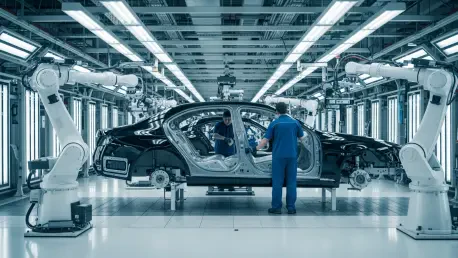

The manufacturing floor of the Dingolfing plant serves as a high-tech laboratory where the traditional symphony of clanging metal has been replaced by the quiet hum of advanced robotics and the precise movements of skilled technicians. The start of production for the new flagship sedan marks a pivotal moment for the German brand as it integrates advanced technologies into its most prestigious model. This rollout serves as a technological blueprint for the years ahead, with these innovations set to expand across forty different models in the company’s global portfolio. By merging high-volume industrial output with the delicate touch of traditional skill, the assembly process is redefining the concept of progressive luxury through digitalization and sustainable practices. The facility represents more than just a factory; it is a center of excellence where the future of mobility is being built today. This comprehensive transformation sets a standard for all development efforts within the automotive sector.
Digital Innovation and Powertrain Versatility
Centralized Software and Immersive Environments
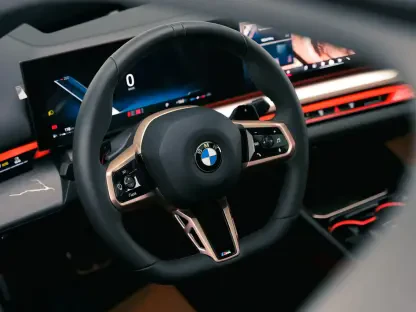
The transition toward a centralized electronic architecture represents a fundamental shift in how the flagship sedan interacts with its environment and its occupants. Moving away from the fragmented control units of the past, the new system consolidates processing power to allow for near-instantaneous data exchange and over-the-air updates that keep the vehicle current for years. This robust digital backbone supports the expansive BMW Panoramic iDrive, which projects critical information across the entire width of the windscreen, ensuring that the driver remains focused on the road while accessing essential data. For those in the rear, the cinematic Theatre Screen transforms the cabin into a private lounge, offering an immersive entertainment experience that was previously impossible in a production car. By integrating the Symbiotic Drive system, the vehicle learns the habits of its users, effectively becoming an intelligent partner that anticipates needs before they are explicitly stated.
Flexible Assembly and Electrification Strategies
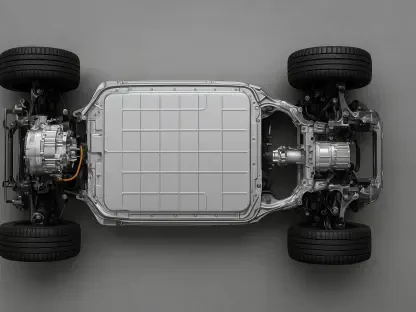
Efficiency and versatility define the production strategy at Dingolfing, where the fully electric i7 is assembled alongside its hybrid and internal combustion counterparts on a single production line. This flexible approach allows the facility to adjust production volumes based on shifting market demands from 2026 to 2030, ensuring that no resources are wasted on stagnant inventory. Central to this success is the implementation of high-density battery cells that provide the i7 with exceptional range and the capability for rapid charging, addressing the primary concerns of luxury electric vehicle buyers. By utilizing a modular platform, engineers can integrate different drivetrains without compromising the structural integrity or interior space of the vehicle. This “power of choice” philosophy demonstrates a pragmatic approach to the energy transition, allowing the brand to serve diverse global markets with varying infrastructure readiness while maintaining a unified standard of quality.
The Synergy of Automation and Skill
Craftsmanship in Paint and Exterior Finishes
While automation handles the repetitive tasks of heavy lifting, the pursuit of aesthetic perfection still requires the steady hand and discerning eye of a human artisan. The introduction of a dual-finish paint process, which seamlessly marries matte and high-gloss textures on the same body, highlights the complexity of modern luxury manufacturing. This specific process involves thousands of minutes of meticulous preparation, including manual masking and hand-applied coatings that robots are currently unable to execute with the required finesse. Each vehicle undergoes a rigorous inspection where specialists check for the slightest deviations in color depth and surface consistency, ensuring the exterior meets the expectations of the world’s most demanding clientele. This blend of industrial speed and artisanal detail creates a visual signature that is both unique and difficult to replicate. It reinforces the idea that true luxury is also a result of time and specialized labor.
Artificial Intelligence in Interior Quality Control
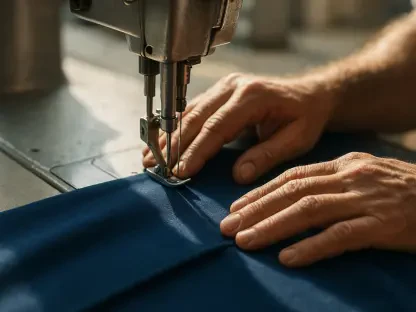
Artificial intelligence serves as a powerful ally for workers on the assembly line, acting as a tireless quality control supervisor that identifies imperfections invisible to the naked eye. In the upholstery shop, high-resolution cameras and AI algorithms scan every inch of leather for microscopic flaws, automatically marking areas that do not meet the brand’s stringent durability and texture standards. This technology also guides high-precision sewing robots as they create intricate patterns for the cockpit and seating components, ensuring that every stitch is perfectly aligned across thousands of units. However, the final approval always rests with a human expert who verifies the tactile feel and overall harmony of the interior materials. This partnership between machine precision and human intuition allows the factory to maintain a level of exclusivity. By automating the detection of errors, the plant frees up skilled craftsmen to focus on the creative and complex assembly tasks.
Economic Infrastructure and Environmental Goals
Regional Supply Chains and Local Expertise
The economic impact of the 7 Series production extends far beyond the walls of the main assembly plant, fostering a robust industrial ecosystem within the Lower Bavaria region. Significant investments in the nearby Landshut facility have enabled the local production of specialized components, including electric motors and lightweight aluminum castings that are essential for the flagship’s performance. By keeping the supply chain within a localized network, the company reduces the carbon footprint associated with long-distance shipping and ensures that specialized parts are delivered just-in-time for assembly. This regional focus also cultivates a highly skilled workforce that is deeply familiar with the brand’s specific engineering requirements and quality standards. The synergy between these various production sites creates a resilient manufacturing hub that can quickly adapt to technological advancements. Local suppliers ensure the economic benefits are felt community-wide.
Sustainable Energy and Resource Management
Sustainability has evolved from a corporate buzzword into a foundational element of the manufacturing process at the Dingolfing facility. The plant now operates entirely on renewable electricity, sourced from a combination of local hydroelectric projects and a massive on-site solar array that covers the rooftops of several production halls. To meet the intensive heat requirements of the paint shop and assembly areas, the company has integrated a newly constructed biomass heating plant that utilizes regional wood waste as a clean energy source. These initiatives are part of a broader strategy to minimize the environmental impact of every vehicle produced, from the raw material stage to the moment it leaves the factory gates. By closing the loop on resource management, the facility also implements advanced recycling programs for water and production scrap, ensuring that waste is kept to an minimum. This commitment to green operations proves that industrial output can coexist with stewardship.
Strategic Directions: The Path Forward for Sustainable Luxury
The successful launch of the newest flagship sedan provided a blueprint for the future of sustainable and digitally integrated manufacturing. Stakeholders recognized that the fusion of high-level robotics with traditional craftsmanship offered the only viable path for maintaining brand prestige in a competitive market. Moving forward, the industry learned that localizing supply chains and investing in renewable energy infrastructure were not just ethical choices but essential strategies for long-term operational resilience. It became clear that the next phase of automotive development would require a deeper commitment to software-centric design while preserving the tactile qualities that customers associate with high-end luxury. To maintain this momentum, manufacturers prioritized the continuous upskilling of their workforce to master both AI-driven tools and traditional assembly techniques. This balanced approach ensured that the technological leap did not come at the cost of the human touch.