
The persistent instability of global pharmaceutical supply chains has forced Australia to confront a precarious reality where essential medications are frequently unavailable to those who need them most. This ongoing crisis, characterized by unpredictable stockouts of life-saving antibiotics and chronic disease treatments, has triggered a massive $250 million investment by Vitex Pharmaceuticals into a state-of-the-art manufacturing facility in Western Sydney. This facility represents a critical pivot toward national health sovereignty, aiming to mitigate the risks associated with an over-reliance on international imports that have proven unreliable during recent global disruptions. By establishing a robust domestic production base, the project intends to provide a buffer against external market shocks that typically leave Australian pharmacies with empty shelves. The sheer scale of this infrastructure reflects a long-term commitment to reshaping the pharmaceutical landscape, ensuring that the domestic market can sustain itself without constant anxiety over shipping delays or foreign export bans.
Technological Foundations: Modernizing Domestic Medicine Production
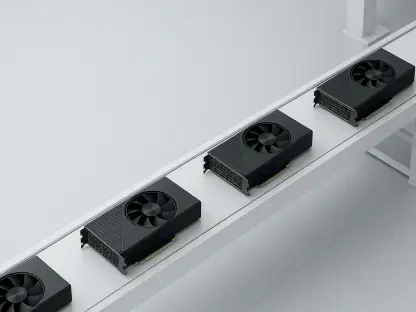
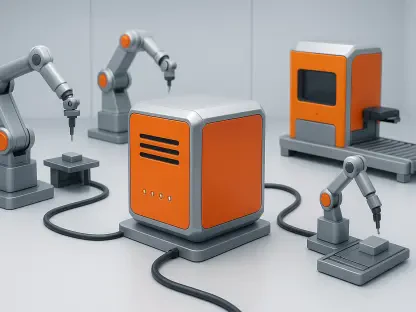
This new industrial complex is not merely an expansion of existing capabilities but a sophisticated technological leap that integrates high-speed automated production lines with advanced robotics and real-time monitoring systems. These technical advancements allow for the simultaneous manufacturing of multiple therapeutic classes, ranging from complex solid dosage forms to specialized liquid formulations, all within a strictly controlled environment that meets international quality standards. The facility utilizes modular clean-room designs that can be rapidly reconfigured to prioritize certain medications during localized health emergencies or specific market shortages. This flexibility is essential for responding to the fluid nature of pharmaceutical demand, where a sudden spike in respiratory illnesses or a global shortage of a specific active pharmaceutical ingredient requires immediate tactical adjustments. By employing these cutting-edge digital twins and predictive maintenance tools, the plant achieves an efficiency level that was previously unattainable in the Australian manufacturing sector.
Beyond the immediate health benefits, the $250 million investment serves as a significant catalyst for economic revitalization within the Western Sydney region, creating hundreds of specialized jobs for scientists, engineers, and supply chain experts. This influx of high-skilled labor fosters an environment of innovation, where academic research and commercial production can intersect to develop next-generation drug delivery systems. Furthermore, the presence of such a large-scale anchor tenant encourages ancillary businesses, such as specialized packaging and chemical suppliers, to establish local operations, thereby strengthening the entire industrial ecosystem. This concentrated growth helps insulate the local economy from the volatility of more traditional sectors while positioning Australia as a competitive hub for pharmaceutical exports within the Indo-Pacific region. As the facility scales its operations, it becomes a blueprint for how private capital can be successfully aligned with public health objectives, demonstrating that domestic production is a viable commercial enterprise.
The successful activation of the Vitex plant established a foundational defense against future medical crises, yet it also highlighted the ongoing need for a more diversified raw material procurement strategy. Industry leaders realized that domestic manufacturing remained vulnerable if the precursor chemicals and active ingredients were still sourced from a single geographic region. Consequently, stakeholders began exploring the feasibility of vertical integration, where the domestic production of chemical precursors was prioritized to eliminate the final remaining chokepoints in the supply chain. Policymakers and pharmaceutical executives worked together to implement advanced artificial intelligence frameworks that could predict global market fluctuations months in advance, allowing the facility to adjust its output before a shortage could manifest. This move toward predictive resilience represented a shift from reactive crisis management to a model of perpetual readiness. By investing in these auxiliary technologies and securing local sources for raw materials, the Australian pharmaceutical sector solidified its independence.