
The silent failure of a single industrial conveyor belt can trigger a catastrophic chain reaction that halts production lines for days and costs facilities millions of dollars in lost revenue. In modern manufacturing hubs, where efficiency is measured in milliseconds, the sudden snap of a belt or a seized motor bearing is no longer viewed as an inevitable cost of doing business but as a preventable data oversight. Integrating artificial intelligence into these mechanical lifelines has transformed them from dumb hardware into intelligent, self-monitoring systems capable of predicting their own demise. By synthesizing vast streams of sensor data from vibration and temperature monitors, AI models provide engineers with precise windows of intervention. This shift from reactive maintenance to prescriptive intelligence ensures that heavy industry can maintain a continuous flow of goods without the constant shadow of mechanical instability. As 2026 progresses, these neural networks have become essential for facilities aiming to eliminate unplanned downtime and optimize their logistics.
Monitoring and Detection: Advanced Sensor Integration
Edge Computing: Real-Time Vibration Analysis
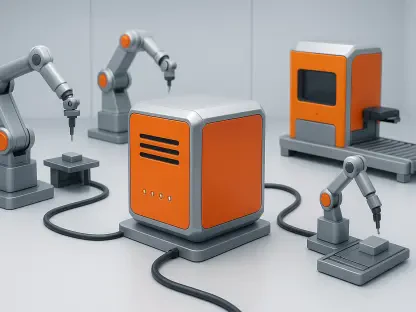
Recent advancements in edge computing have allowed industrial facilities to process enormous datasets directly at the source, eliminating the latency issues that once plagued cloud-based monitoring. High-frequency vibration sensors attached to conveyor rollers now capture microscopic deviations in rotational patterns that were previously undetectable to human inspectors. These edge devices utilize localized machine learning algorithms to filter out ambient noise and isolate the specific frequencies associated with bearing wear or belt misalignment. By identifying these anomalies in real-time, the system can automatically adjust motor speeds to mitigate stress on the damaged component until a scheduled maintenance window occurs. This proactive adjustment not only prevents total system failure but also extends the operational lifespan of the hardware by avoiding the thermal runaway common in overstressed machinery. Furthermore, these decentralized networks ensure that each segment communicates its status to a central hub for holistic oversight.
Computer Vision: Maintaining Surface Integrity
Computer vision represents another significant leap in belt maintenance, utilizing high-speed cameras to scan the surface of the conveyor for tears, abrasions, or embedded debris. These systems employ deep learning architectures, such as convolutional neural networks, to analyze every square inch of the belt material as it moves at peak velocity across the facility floor. Even a tiny puncture that might be invisible to the naked eye is flagged by the AI, which can then track the growth of the defect over time to determine when a patch or replacement is strictly necessary. By catching these surface issues early, companies avoid the catastrophic “zipper effect” where a small tear rapidly expands under tension, leading to a complete belt snap. Moreover, these vision systems can detect if a load is improperly centered, which is a leading cause of belt tracking issues and edge fraying. The software automatically provides corrective feedback to loading mechanisms, ensuring that the mechanical load remains balanced.
Strategic Implementation: Enhancing Operational Longevity
The transition toward AI-driven conveyor management moved from a luxury to a fundamental requirement for industrial competitiveness during the early months of 2026. Successful facilities adopted a tiered implementation strategy that prioritized the installation of high-fidelity sensors on critical bottlenecks before expanding to the entire logistics chain. These organizations moved away from traditional calendar-based maintenance schedules and instead embraced a data-centric philosophy that valued the accuracy of predictive analytics. Engineers were retrained to interpret complex data visualizations, allowing them to make informed decisions about hardware investments based on long-term wear patterns. The integration of these technologies resulted in a documented decrease in unplanned downtime and a significant reduction in spare parts inventory costs. Moving forward, the emphasis shifted toward standardizing data protocols to ensure seamless communication between different hardware vendors for long-term success.