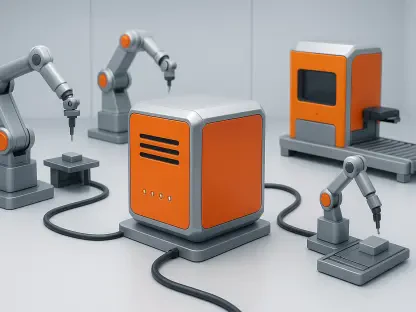

The internal mechanics of a modern manufacturing facility operate with a level of precision that makes even the slightest deviation a catastrophic failure for the entire supply chain. While the digital revolution initially focused on enterprise resource planning and basic automation, the current era is defined by a significant pivot toward Physical AI. This technology moves beyond general software by creating systems that possess a deep understanding of the tangible world and the intricate laws of physics that govern it. Modern production is not a monolith but rather a fragmented ecosystem composed of specialized crafts, each with its own unique constraints and technical hurdles. By abandoning the speculative hype of all-purpose magic tools, leading companies are now adopting process-driven strategies to eliminate specific industrial bottlenecks that have hindered high-volume production for decades. This shift allows for a more granular approach to optimization where hardware and intelligence are fundamentally inseparable.
Bridging the Gap: From Digital Intelligence to Physical Reality
While Large Language Models successfully handled administrative tasks like scheduling or automated note-taking, the factory floor required a much higher level of embodied expertise to function. A veteran worker often diagnosed a machine failure simply by sensing subtle vibrations or detecting faint smells that indicated overheating, which are sensory inputs that are incredibly difficult to replicate in standard code. Unlike basic driving or data entry, the physics-grounded complexities of manufacturing demanded a specialized type of AI that understood cause and effect within a three-dimensional environment. Standard digital systems often struggled with the unpredictable nature of physical materials, which can vary in density, texture, and thermal conductivity. Physical AI aimed to bridge this gap by incorporating sensory data into its learning models, allowing machines to perceive their surroundings with human-like nuance. This deeper understanding of the physical world enabled a more intuitive interaction between robotic systems and the complex machinery they were designed to manage.
A new wave of startups emerged to focus specifically on production-first AI, prioritizing the scalability and repeatability of complex manufacturing over generic digital assistance. Entities such as PhysicsX and Polaron moved beyond simple automation by accelerating the validation of engineering designs through advanced simulation techniques. These systems linked material structures directly to the final performance of a product, ensuring that sophisticated designs remained grounded in physical reality. This shift ensured that advanced concepts were not merely theoretical exercises but could be reliably and economically produced at high volumes on a standard assembly line. By integrating these intelligence layers directly into the design phase, manufacturers reduced the risk of failure during the actual production run. This approach allowed for the rapid testing of new materials and geometries that were previously too complex to model accurately. Consequently, the boundary between the digital design space and the physical factory floor became increasingly porous, facilitating a faster transition from lab to market.
Operational Excellence: Real-World Applications and Integrated Systems
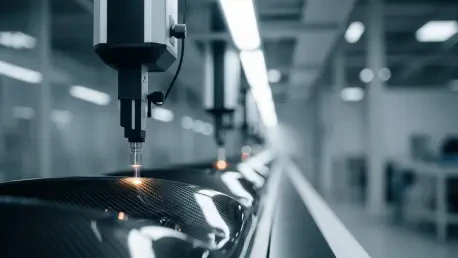
Practical applications of these tools, such as the deployment of automated measurement agents, demonstrated the immense speed and precision that Physical AI brought to live environments. By replacing traditional manual inspections—which often required twenty minutes of meticulous labor—with ten-second automated checks, factories achieved massive efficiency gains. These automated systems created a permanent digital footprint for every individual part, allowing for total traceability throughout the lifecycle of a product. This wealth of data enabled engineers to track subtle dimensional drift and perform predictive maintenance on machinery before a total breakdown occurred. The transition shifted factory operations from a reactive mode of firefighting to a proactive, data-driven methodology that valued precision over speed. Furthermore, the ability to analyze trends in real-time meant that quality control became a continuous process rather than a final gate. This shift not only improved the quality of the output but also significantly reduced the amount of scrap material generated during production.
The implementation of unified data languages successfully bridged the gap between separate departments, allowing for a more cohesive workflow. Companies that prioritized this integration saw a dramatic reduction in the time required to move from initial concept to final shipping. By treating design, logistics, and quality control as a single continuous stream, the industry moved toward a model where human intervention focused on high-level strategy rather than repetitive manual checks. This transition proved that the most effective way to utilize Physical AI was not through total replacement of workers, but through the enhancement of their decision-making capabilities. Strategic investments in high-friction points allowed organizations to reduce waste and improve the overall sustainability of their operations. This proactive stance on technology adoption ultimately redefined the standards for global manufacturing competitiveness while providing a clear blueprint for industrial scaling from 2026 to 2030 through the application of data-driven precision.