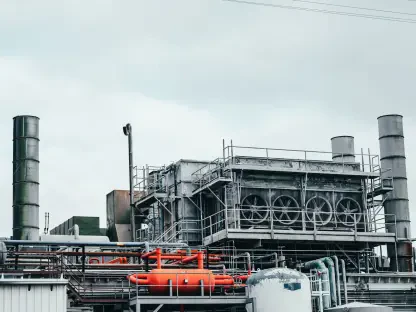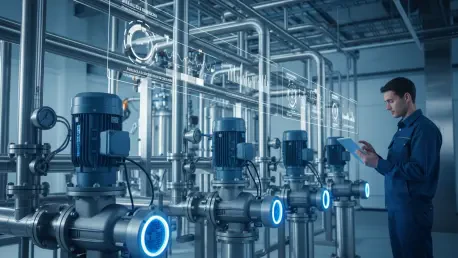

The traditional approach to industrial fluid management has long relied on a reactive cycle of emergency repairs that often leave critical operations paralyzed by the sudden and catastrophic failure of mechanical components. This outdated methodology is rapidly being superseded by sophisticated connected ecosystems that prioritize proactive intervention over damage control. In 2026, companies are increasingly adopting integrated solutions that transform pumps from isolated hardware into intelligent data points within a larger digital network. By leveraging real-time insights, facilities can transition away from the costly habit of fixing equipment only after it breaks, effectively eliminating the blind spots that previously led to massive financial losses and operational headaches. This evolution is particularly vital in sectors like chemical processing or large-scale manufacturing, where even a momentary stoppage in flow can compromise batch integrity and jeopardize safety protocols. The integration of connected sensors ensures that every fluctuation is captured, allowing engineers to address developing issues long before they trigger a shutdown.
Advancing Operational Stability: The Role of Predictive Analytics
Predictive analytics provide a comprehensive framework for spotting potential equipment failures by analyzing historical performance data alongside real-time operational inputs. This focus on the Mean Time Between Failure has become a cornerstone of modern industrial strategy, enabling businesses to extend the lifespan of their assets while maintaining more stable production cycles. Rather than treating pumps as mere workhorses, organizations now view them as the heart of the operation, requiring constant oversight to maintain a healthy rhythmic flow. This proactive stance turns the chaos of unexpected downtime into a series of manageable, scheduled maintenance tasks that do not disrupt the overall rhythm of the facility. By identifying the subtle warning signs of wear, such as increased vibration or minor deviations in motor efficiency, maintenance teams can intervene with surgical precision. This level of foresight protects the machinery and the bottom line, ensuring that capital investments yield the highest possible return through consistent, uninterrupted service.
To achieve this level of granular oversight, remote sensors are deployed to track vital signs such as flow rate, pressure dynamics, and thermal changes throughout the system. A sudden drop in flow might suggest a developing blockage within the piping, while unexpected pressure spikes can warn of downstream obstructions that require immediate attention to prevent pipe bursts or seal failures. For temperature-sensitive materials like yeast used in large-scale brewing or delicate biological components in pharmaceutical manufacturing, these sensors act as a critical safeguard for product quality. They ensure that the biological integrity of the fluid remains intact by keeping it within a very narrow and safe thermal range. If the temperature begins to drift outside of these predetermined parameters, the system can automatically trigger an alert or adjust the pump speed to compensate. This level of automated control reduces the reliance on manual sampling and human observation, providing a more robust defense against spoilage and ensuring that every batch meets rigorous quality standards without exception.
Integrating Artificial Intelligence: Strategies for Remote Operations
Connected technology effectively bridges the geographical gap for remote facilities that are often difficult or prohibitively expensive to inspect in person. By utilizing centralized dashboards, a single specialist located in a regional hub can monitor dozens of different sites across the globe, bringing a high level of expertise to locations that may be hard to staff with local technicians. This centralized setup ensures that when a physical intervention is actually necessary, the responding technicians arrive with the correct spare parts and a full understanding of the diagnostic history of the equipment. This approach replaces the tradition of crisis-driven response with a more methodical and streamlined maintenance process that reduces travel costs and minimizes environmental impact. Furthermore, the ability to compare performance data across multiple identical sites allows organizations to identify systemic issues or optimize performance by applying best practices learned from one facility to another. The result is a more resilient global infrastructure that remains responsive regardless of the physical distance between the hardware and the management team.
Artificial Intelligence and Machine Learning further refine these monitoring capabilities by processing vast amounts of sensor data to find hidden patterns that the human eye might naturally miss. These algorithms can detect the earliest stages of cavitation or bearing wear by identifying microscopic deviations in the data stream that would otherwise be dismissed as noise. Beyond the primary task of equipment monitoring, AI is also being utilized to help internal teams organize and interpret vast quantities of technical data to provide faster and more accurate support to field operators. This creates a smarter manufacturing environment that relies less on manual labor and more on automated, data-driven precision to maintain operational flow. As these AI models continue to learn from the constant influx of industrial data, they become increasingly adept at predicting specific failure modes, allowing for even more targeted maintenance strategies. This evolution shifts the focus from general oversight to a deep, data-rich understanding of the entire fluid management ecosystem, where every component is optimized for maximum efficiency and longevity.
Cultivating a Specialized Workforce: Training for the Digital Era
The rise of automated systems has fundamentally transformed the industrial landscape, creating a surging demand for workers who possess a dual understanding of mechanical hardware and digital analytics. Modern technicians are no longer just mechanics; they are systems integrators who must navigate the complexities of connected industrial ecosystems while troubleshooting physical pump components. This shift requires a diverse skill set that includes data literacy, network troubleshooting, and the ability to interpret the outputs of advanced diagnostic software. Bridging this skill gap is essential for maintaining the high-tech infrastructure that now defines the modern fluid management sector. As traditional mechanical roles evolve, the workforce must adapt to a reality where the tablet is just as important as the wrench. Organizations that fail to recognize this transition risk being left behind with advanced equipment that no one understands how to fully utilize. The successful operation of a 2026 facility depends on the seamless interaction between skilled human intelligence and the sophisticated algorithms that guide the automated fluid management systems.
To maintain pace with these rapid technological advancements, industrial leaders focused on long-term growth and developed comprehensive strategies to modernize their operational frameworks. Investing in technical education and forming strong partnerships with academic institutions became necessary steps for ensuring that the next generation of engineers possessed the requisite digital fluency. These organizations stayed agile by continuously updating their training protocols to reflect the ongoing shifts in industrial innovation and software capabilities. Actionable steps included the implementation of internal upskilling programs that allowed veteran mechanics to transition into roles focused on digital diagnostics and remote oversight. By fostering a culture of continuous learning, companies ensured that their workforce remained capable of handling the complexities of modern systems integration while maintaining total operational integrity. The transition toward a more data-centric model proved that success was not just about the technology itself, but about the people empowered to use it. This strategy solidified a more resilient and sustainable future for industrial fluid management across all global sectors.