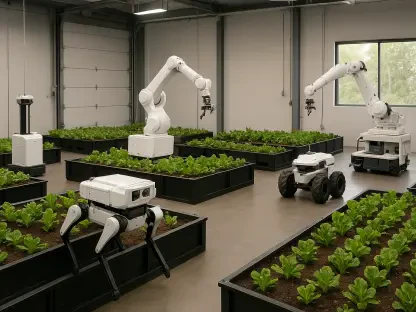

The industrial landscape of Austin is undergoing a seismic shift as construction crews break ground on a massive dedicated facility designed specifically for the mass production of the Optimus humanoid robot. This development marks a fundamental transition for the electric vehicle pioneer, moving from a company primarily focused on sustainable transport to one that leads the charge in general-purpose artificial intelligence and robotic automation. The new expansion, situated strategically adjacent to the existing Gigafactory Texas, represents a multi-billion dollar capital investment aimed at scaling the production of bipedal machines to thousands of units per month. By establishing a localized supply chain for specialized actuators and vision-based neural processing units, the organization seeks to achieve economies of scale previously unseen in the robotics industry. This move signals a firm commitment to integrating humanoid labor into both assembly lines and the broader global market.
Scaling Production: Integrating Robotics into the Gigafactory Infrastructure
The decision to house the dedicated robot factory in Texas leverages the state’s burgeoning tech ecosystem and the existing logistical prowess of the Gigafactory campus. This new wing is engineered as a showcase of vertical integration, where raw materials enter at one end and fully functional humanoid units emerge from the other. Unlike traditional manufacturing setups that rely on external vendors for complex components, this facility focuses on in-house fabrication of the robot’s unique structural skeleton and its intricate wiring harnesses. The proximity to the vehicle production lines allows for a symbiotic relationship where robots can be tested in real-world factory environments immediately after assembly. Engineers are currently refining the automated assembly cells that will use existing robotic arms to build their humanoid successors, creating a self-sustaining loop of production that reduces the reliance on human oversight for repetitive mechanical tasks.
Infrastructure developments at the site include massive clean rooms for sensitive electronic assembly and specialized testing tracks where the robots practice navigating uneven terrain and manipulating varied objects. These facilities are critical for ensuring that each unit meets the rigorous durability standards required for industrial deployment. The facility also includes high-capacity charging bays and diagnostic stations that utilize the same supercomputing hardware used for the company’s autonomous driving software. By sharing these technological foundations, the organization reduces the overhead costs associated with developing two distinct platforms. This integrated approach not only accelerates the construction timeline but also ensures that the robotics division benefits from the manufacturing expertise gained through high-volume vehicle production. The scale of this operation suggests that the company is preparing for a future where robotic labor is as ubiquitous as the electric cars on the roads.
Strategic Outlook: Evaluating the Long-term Impact on Industrial Labor
The deployment of these humanoid robots is expected to redefine the labor market by taking over hazardous and monotonous roles that currently face chronic staffing shortages. Industries such as logistics, construction, and hazardous waste management are prime candidates for the first wave of commercial deployment beyond the company’s own automotive plants. By offloading these tasks to autonomous machines, human workers can be transitioned into higher-level supervisory and maintenance roles, potentially increasing overall workplace safety and productivity. However, this transition requires careful planning and a robust framework for human-robot collaboration to ensure that the integration is smooth and beneficial for the workforce. Economists suggest that the long-term cost savings associated with robotic labor could lead to lower prices for goods, though the initial capital investment remains a significant barrier for many smaller enterprises. The Texas factory serves as the primary hub for solving these challenges.
The establishment of the dedicated factory in Texas provided a definitive roadmap for the commercialization of humanoid robotics on a global scale. Leaders in the sector should now focus on standardizing communication protocols between different robotic platforms to ensure interoperability in mixed-fleet environments. The strategic move to Texas effectively mitigated the risks associated with early-stage hardware development by leveraging existing automotive manufacturing workflows. Furthermore, the focus on vertical integration ensured that the organization maintained strict control over the quality and cost of every critical component. In the months following the groundbreaking, the project demonstrated that high-volume robotic production was technically feasible. Businesses looking to integrate similar technology should prioritize workforce retraining programs that emphasize human-robot interaction. The factory ultimately served as a blueprint for a new era of industrial facilities that balanced autonomous labor with human creativity.