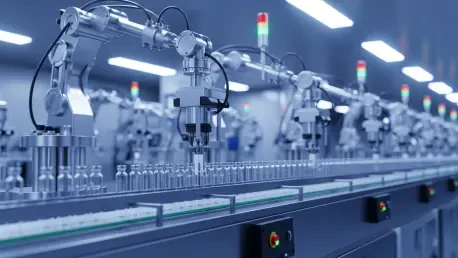

The global pharmaceutical supply chain is currently facing its most significant upheaval in decades as federal trade policies leverage the threat of aggressive tariffs to compel domestic drug manufacturing. This strategy, which is expected to dominate the legislative agenda from 2026 to 2029, creates a stark ultimatum for international pharmaceutical companies: either decrease the prices offered to American patients or move manufacturing facilities to U.S. soil to avoid heavy duties. This shift is not merely a political gesture but a fundamental restructuring of the industrial base intended to curb foreign dependency and bolster national security. By dangling the threat of substantial import taxes, the government is successfully pressuring the private sector to prioritize domestic resilience over globalized cost-efficiency. This tectonic shift in the industry’s operating model is intended to ensure that critical medicines remain available regardless of geopolitical tensions or supply chain disruptions occurring in other parts of the world.
Strategic Corporate Responses: Adaptation and Growth
Pfizer and AstraZeneca are currently engaged in high-stakes negotiations to secure tariff exemptions by pledging billions toward domestic infrastructure and more competitive pricing for U.S. consumers. These agreements serve as a template for other manufacturers who are eager to maintain their market share without sacrificing their profit margins to new border taxes. Meanwhile, Eli Lilly and Johnson & Johnson have already broken ground on massive new facilities in several states, aiming to localize the production of their most critical product lines. By establishing these physical footprints, these corporations are not just complying with new trade mandates but are also positioning themselves to benefit from federal tax incentives and grants designed to support high-tech manufacturing. The speed at which these companies have pivoted reflects a broader realization that the era of unfettered global outsourcing has effectively ended for the life sciences sector.
The current trend of domestic expansion is particularly evident in specialized fields like biologics, diagnostics, and oncology research, where precision manufacturing is a requirement. Industry leaders such as Roche and Novartis are redirecting significant portions of their capital expenditure toward American research hubs and specialized production lines. Merck has also increased its domestic focus, ensuring that complex therapies are developed and manufactured within the same regulatory ecosystem to avoid logistical bottlenecks. This movement is not limited to domestic firms; international players like Novo Nordisk and CSL are rapidly scaling up their presence in the United States to ensure they remain eligible for federal contracts. These strategic investments are reshaping the American industrial landscape, turning previously quiet regions into burgeoning biotech corridors. This influx of capital is driving innovation while simultaneously creating a highly skilled workforce dedicated to the next generation of medical treatments.
Market Drivers: Why the Industry Is Shifting Now
At the heart of this industrial reorganization is the immediate financial necessity to avoid 100% tariffs that would devastate the profitability of branded pharmaceuticals. Such aggressive taxation would make imported drugs prohibitively expensive for most healthcare systems, effectively pricing major manufacturers out of the largest medical market in the world. To mitigate this risk, companies are acting with unprecedented speed to eliminate policy uncertainty and secure long-term stability for their shareholders. Furthermore, recent federal reforms have explicitly tied a company’s ability to participate in Medicare and Medicaid programs to its level of domestic investment and research and development spending. This linkage creates a powerful economic incentive for firms to integrate their supply chains into the American economy. By aligning their corporate interests with national policy objectives, pharmaceutical executives are finding ways to navigate a complex regulatory environment that prioritizes domestic self-sufficiency.
Beyond the immediate pressure of tariffs, the long-term implications of this policy shift are being felt globally as manufacturing capacity becomes increasingly concentrated in North America. While this move enhances the resilience of the U.S. healthcare system, it also introduces new risks by potentially making the country a single point of failure for global medicine supplies. Traditional manufacturing hubs in Europe and Asia are seeing a decline in new investment as capital flows toward the more lucrative and protected American market. Increasingly, the life sciences are being viewed as a critical pillar of national security rather than just a commercial sector, leading to a new form of health sovereignty. This change signifies a departure from the collaborative global models that defined the previous three decades of drug development. The competition for manufacturing dominance is now a central element of international relations, as countries vie for control over the production of essential vaccines and therapies.
Navigating Operational Challenges: The Path Forward
Despite the massive influx of investment and political pressure, the transition to a U.S.-centric manufacturing model is fraught with substantial operational and technical hurdles. Building and certifying new biologics plants is an incredibly complex process that often requires several years of construction and rigorous validation before production can commence. These lengthy timelines create a temporary gap where many companies remain operationally dependent on their existing foreign hubs, even after making public commitments to American expansion. Furthermore, the high cost of labor and energy in the United States remains a concern for manufacturers used to the lower overheads found in emerging markets. These financial pressures could potentially drive up the retail prices of drugs if not balanced by government subsidies or technological advancements in automation. Companies must therefore find ways to optimize their domestic production processes through advanced robotics and artificial intelligence to maintain their competitive edge.
In light of these shifting dynamics, pharmaceutical organizations should have prioritized the diversification of their local supply chains to avoid over-reliance on single manufacturing sites. Decision-makers were forced to evaluate the risk of potential trade retaliation from international partners, which could have disrupted the export of raw materials and chemical precursors needed for drug synthesis. Successful firms eventually integrated more sustainable and localized sourcing strategies that utilized domestic chemical providers to mitigate these external vulnerabilities. Looking toward the future, the industry moved to adopt modular manufacturing units that allowed for more flexible production schedules and quicker responses to market demands. These proactive measures ensured that the pharmaceutical sector remained resilient against both political shifts and global supply chain shocks. By treating domestic manufacturing as a core strategic asset, companies managed to secure their place in a new industrial era, fostering a more robust medical ecosystem.