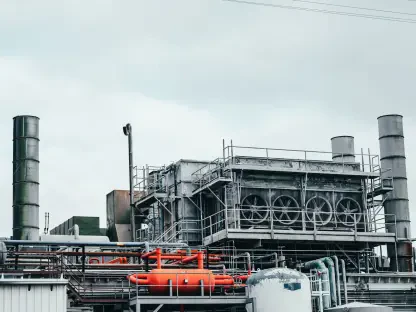

The chasm between ambitious net-zero pledges and the tangible operational realities of the UK’s manufacturing sector has widened significantly over the past several months. While a majority of industrial firms have established clear environmental and social targets, recent data suggests that only a small fraction have successfully integrated these goals into their daily shop-floor operations. This “action gap” stems from a combination of high upfront costs and a lack of specialized internal expertise. For many facilities across the Midlands, the transition from high-level boardroom discussions to measurable carbon reduction remains an elusive milestone. Without a more structured approach to implementation, the risk of missing mandated decarbonization deadlines increases, potentially exposing businesses to regulatory penalties and a loss of competitive advantage in a world that is increasingly prioritizing green credentials over traditional metrics.
Structural and Financial Impediments: Why Progress Has Stalled
Economic Volatility: The Barrier to Capital Investment
Identifying financial constraints is essential for understanding why many sustainable initiatives remain in the pilot phase rather than scaling across full production lines. High interest rates and fluctuating energy prices have forced many facility managers to prioritize immediate survival over long-term environmental investments. Despite the clear benefits of upgrading to energy-efficient machinery, the payback periods often exceed the current budgetary cycles of mid-sized enterprises. Furthermore, the absence of standardized financial incentives makes it difficult for companies to justify the capital expenditure required for deep decarbonization. Consequently, many manufacturers are opting for incremental improvements, such as switching to LED lighting, rather than the radical overhauls needed to meet the stringent emission targets set for the coming years through 2028. This cautious approach slows the broader industrial transition and leaves many firms vulnerable to future energy price volatility.
Technical Deficits: The Growing Skills Gap in Engineering
Beyond financial hurdles, a profound shortage of green skills and technical proficiency continues to stifle the deployment of advanced environmental technologies. Many engineering teams lack the specific training required to manage complex carbon capture systems or to optimize production for hydrogen-based fuel alternatives. This internal knowledge deficit is compounded by a cultural resistance within older firms where traditional manufacturing methods have remained unchanged for decades. Transitioning to a sustainable model requires not just new equipment, but a fundamental shift in how employees at every level perceive their roles in the energy ecosystem. Efforts to upskill the workforce are often fragmented, with many organizations struggling to find external partners capable of delivering industry-specific training. This leaves a significant portion of the workforce unprepared for the shift toward digitized, low-carbon manufacturing environments that are now becoming the global standard.
Strategic Pathways: Bridging the Implementation Gap
Digital Integration: Using Data for Decarbonization
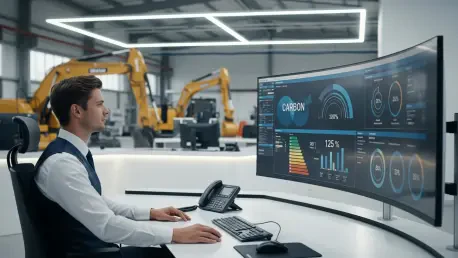
Bridging the action gap effectively requires the aggressive adoption of digital technologies that provide granular visibility into resource consumption and waste generation. Implementing Internet of Things sensors across legacy machinery allows for real-time monitoring of energy spikes, enabling predictive maintenance that reduces both downtime and carbon footprints. Digital twin technology has also emerged as a vital tool, allowing engineers to simulate various production scenarios and identify the most energy-efficient configurations without disrupting actual operations. By utilizing artificial intelligence to analyze vast datasets, manufacturers can optimize supply chain logistics and reduce the embodied carbon of raw materials. These digital interventions offer a more accessible pathway to sustainability by focusing on efficiency gains that also improve the bottom line. As these tools become more affordable, they serve as the foundation for more comprehensive and scalable environmental strategies.
Circular Models: Redefining Long-Term Industrial Value
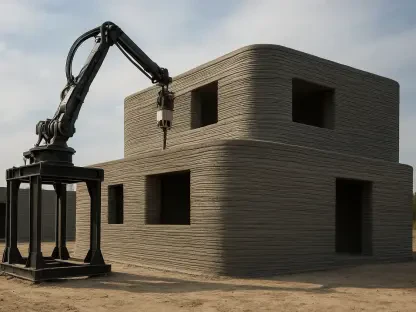
To secure a resilient future, the industrial sector transitioned toward more robust circular economy models that prioritized material recovery and product longevity over traditional consumption. Decision-makers recognized that achieving genuine sustainability necessitated moving beyond simple carbon offsets and toward the fundamental redesign of manufacturing processes. Organizations that successfully closed the gap focused on collaborative ecosystems, where waste from one facility became the feedstock for another. They prioritized the development of transparent reporting frameworks that allowed for better stakeholder engagement and clearer roadmaps for growth. By investing in scalable pilot programs and fostering a culture of continuous improvement, these firms moved past the initial paralysis of the transition. The focus shifted toward long-term value creation, ensuring that environmental responsibility became a core driver of innovation rather than an external regulatory burden that hindered daily operations.