
The rhythmic hum of a bustling shipyard or the silent glide of an automated warehouse floor serves as the heartbeat of a global economy that depends entirely on the movement of heavy loads. For decades, the industrial lifting sector was defined by raw mechanical power and the sheer strength of steel, but the landscape is undergoing a profound transformation that prioritizes intelligence and connectivity over simple brawn. As of 2026, the global market for this equipment has evolved into a multi-billion dollar ecosystem where forklifts, cranes, and hoists are no longer isolated tools but integrated nodes within a vast digital network. This shift is driven by the necessity for greater efficiency in the face of labor shortages and the relentless pace of global trade. By examining the current trajectory, it becomes clear that the machines of the future will be defined by their ability to communicate, adapt, and operate with a degree of precision that was once reserved for laboratory environments. The steady expansion of this market through 2034 is underpinned by a massive push toward automation and the urgent need to modernize aging infrastructure in both developed and emerging nations.
Financial Projections: The Path to 2034
The financial landscape of the lifting equipment industry is currently characterized by a steady and resilient upward trajectory that reflects its status as a foundational pillar of modern commerce. Rather than experiencing the volatile spikes often seen in purely speculative tech sectors, this market is expanding through the systematic replacement of older, less efficient machinery with sophisticated, high-capacity assets. Investors and industry analysts have noted that the market valuation is set to grow consistently for the next several years, fueled by a combination of high industrial output and the ongoing transition to smart manufacturing. This growth is not merely a matter of selling more units but rather a shift toward higher-value equipment that incorporates advanced software and sensors. Companies are increasingly willing to pay a premium for machines that offer long-term savings through energy efficiency and reduced downtime, which in turn bolsters the profit margins of major manufacturers who are successfully pivoting toward these high-tech solutions.
Urbanization and the expansion of logistics networks in developing regions are acting as significant catalysts for this sustained financial growth. As populations move into cities at an unprecedented rate, the demand for vertical construction and dense storage solutions skyrockets, necessitating a new generation of lifting tools. In mature markets, the financial focus is shifting toward the retrofitting of existing facilities with automated systems that can handle the increased volume of goods moving through the supply chain. This dual-pronged growth—new infrastructure in emerging economies and technological upgrades in established ones—provides a balanced and stable financial outlook. For businesses operating in this space, the challenge lies in managing the capital-intensive nature of research and development while meeting the price expectations of a diverse global customer base. However, the move toward data-driven maintenance and performance tracking is opening new revenue streams in the form of service contracts and software subscriptions, moving the industry toward a more predictable and recurring financial model.
The current economic climate also emphasizes the importance of environmental, social, and governance criteria, which is directly influencing the investment patterns within the lifting equipment sector. Financial institutions are increasingly favoring companies that produce zero-emission machinery, leading to a surge in funding for electrification projects and battery research. This shift is particularly evident in the growing market for electric forklifts and reach trucks, which are seeing much faster adoption rates than their internal combustion counterparts. As government incentives for green technology become more prevalent, the financial rewards for innovation in sustainable lifting solutions will likely outpace the gains seen in traditional segments. This creates a competitive environment where financial success is intrinsically linked to a company’s ability to innovate within the constraints of strict carbon reduction targets and resource efficiency. Consequently, the next decade will likely see a consolidation of the market as smaller firms that cannot afford the high costs of sustainable innovation are acquired by larger, more capitalized global entities.
Regional Disparities: Strategies for Global Markets
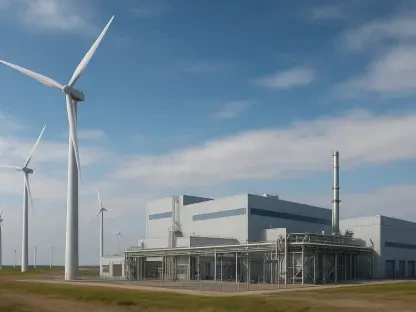
North America currently stands as a dominant force in the global lifting equipment market, largely due to a widespread movement to revitalize domestic manufacturing and bolster logistics infrastructure. In the United States, the focus is squarely on the integration of smart technologies into the massive distribution centers that power the national economy. This regional demand is characterized by a preference for high-tech, high-capacity machinery that can integrate seamlessly with warehouse management systems. Furthermore, the massive investment in renewable energy projects across the continent has created a specialized niche for heavy-duty cranes capable of installing massive wind turbines and solar arrays in challenging terrains. This need for specialized equipment ensures that the North American market remains a hub for innovation, where manufacturers test the limits of what automated and high-capacity lifting systems can achieve in real-world industrial settings.
Across the Atlantic, the European market is being shaped by some of the most stringent environmental and safety regulations in the world. Germany remains a primary engine of growth, with its highly advanced automotive and engineering sectors demanding lifting solutions that offer extreme precision and minimal environmental impact. The European approach is defined by a commitment to the circular economy, where the longevity, repairability, and recyclability of equipment are just as important as its lifting capacity. In the United Kingdom and France, the focus is often on compact, electric-powered machinery designed to navigate the narrow confines of historic urban centers where massive construction projects are underway. This regional emphasis on sustainability and urban adaptability has made Europe a leader in the development of hybrid and fully electric lifting platforms, setting a standard that many other regions are beginning to emulate as they face similar environmental pressures.
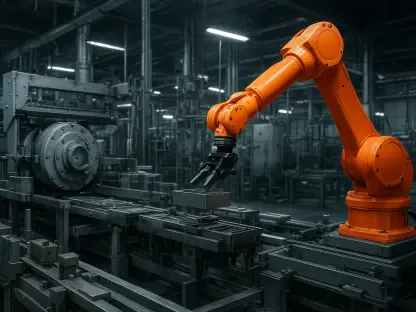
The Asia-Pacific region is experiencing the fastest growth in terms of sheer volume and unit sales, driven by the dual engines of industrialization and technological adoption. Japan has emerged as a pioneer in the use of robotic lifting systems to compensate for a shrinking and aging workforce, creating highly automated environments where human intervention is minimal. Meanwhile, China continues to be a powerhouse in both the production and consumption of heavy lifting equipment, particularly for large-scale infrastructure projects like bridges, high-speed rail, and megacities. The rapid pace of development in this region requires machines that are not only powerful but also capable of working in incredibly dense urban environments. As these countries continue to export their expertise and equipment to other parts of the world, they are effectively redefining the global standards for speed, efficiency, and cost-effectiveness in the lifting industry, making the Asia-Pacific region a critical battleground for market share.
Industry 4.0: The Digital Backbone of Lifting
The transition into the era of Industry 4.0 has fundamentally altered the role of lifting equipment, moving it from a standalone mechanical tool to a vital component of a connected industrial ecosystem. Modern factories and warehouses are now designed around the concept of total visibility, where every movement of a forklift or crane is tracked, analyzed, and optimized in real-time. This connectivity is made possible by the integration of the Internet of Things, allowing machines to transmit data regarding their location, load weight, battery health, and mechanical status. When these machines are linked to a central management system, the result is a massive increase in operational efficiency, as the software can assign tasks to the closest or most efficient piece of equipment. This level of synchronization reduces “dead time” and ensures that the flow of materials through a facility is as smooth and predictable as possible, which is essential for maintaining the high speeds required by modern commerce.
One of the most significant advantages of this digital integration is the ability to implement advanced safety protocols that go far beyond traditional physical barriers. Modern lifting equipment is increasingly outfitted with sophisticated anti-collision sensors, 360-degree cameras, and laser-based guidance systems that can detect the presence of workers or obstacles long before a human operator might. These systems can automatically slow down or stop a machine if a potential hazard is detected, drastically reducing the risk of workplace accidents. Moreover, the data collected by these sensors can be used to identify “near-miss” incidents, allowing managers to redesign warehouse layouts or adjust traffic patterns to eliminate danger zones. This proactive approach to safety not only protects the workforce but also reduces the financial burden of insurance premiums and legal liabilities, making the investment in smart technology a high-priority for risk-averse corporations.
Beyond safety and logistics, the digital backbone of the industry is enabling a revolution in how equipment is maintained and managed throughout its entire lifecycle. Predictive maintenance has moved from a theoretical concept to a standard operational practice, where algorithms analyze performance data to predict exactly when a component is likely to fail. This allows maintenance teams to replace parts during scheduled downtime rather than reacting to a sudden breakdown that halts production. By avoiding these unplanned stoppages, companies can maximize the return on their equipment investment and extend the overall lifespan of their assets. This data-driven approach also provides manufacturers with valuable insights into how their machines are used in the field, allowing them to refine future designs based on actual performance metrics. The result is a continuous loop of improvement where each generation of equipment is more reliable and efficient than the last.
Technological Shifts: Batteries and Artificial Intelligence
The shift from internal combustion engines to electric and hybrid power sources represents one of the most visible and impactful changes in the industrial lifting landscape. Recent breakthroughs in lithium-ion and solid-state battery technology have finally bridged the gap between electric power and the grueling demands of heavy-duty lifting. Previously, electric machines were largely confined to indoor, light-duty applications due to limited battery life and long charging times. However, the current generation of electric forklifts and boom lifts can operate for multiple shifts on a single charge and utilize rapid-charging technology to minimize downtime. These machines produce zero emissions at the point of use, making them the only viable option for modern, enclosed warehouse environments where air quality is a major concern. Additionally, the reduced noise levels of electric motors improve the working environment for employees and allow for 24-hour operations in urban areas with strict noise ordinances.
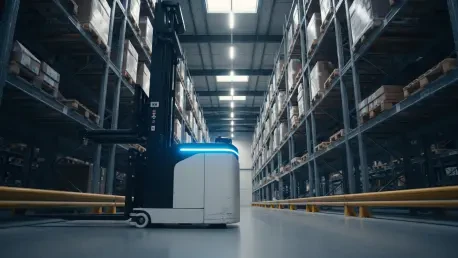
Artificial intelligence is simultaneously transforming the way these machines interact with their environment and their human operators. In the most advanced warehouses, autonomous mobile robots and self-driving forklifts are now navigating complex paths without any direct human intervention. These AI-driven systems use machine learning to optimize their routes, learning to avoid congested areas and adapting to changes in the floor layout on the fly. For human-operated equipment, AI serves as a powerful co-pilot, providing crane operators with real-time feedback on load stability and helping to calculate the safest and most efficient path for a lift. This technology is particularly useful in heavy industries like shipbuilding or aerospace, where moving massive, multi-million dollar components requires an extreme level of precision. By removing the element of human error from the most critical maneuvers, AI is significantly increasing the safety and reliability of heavy lifting operations.
The convergence of electrification and intelligence is also giving rise to the concept of the “software-defined machine,” where the capabilities of a piece of equipment can be updated and improved through remote software downloads. Much like a modern smartphone, a crane or forklift can receive new features, safety updates, or performance optimizations long after it has left the factory. This capability allows companies to adapt their existing fleet to new operational requirements without the need for costly hardware replacements. For example, an autonomous forklift could be updated with new navigation algorithms to handle a change in warehouse layout, or a crane’s control system could be tuned to handle a specific type of specialized load. This flexibility is a game-changer for industries that need to remain agile in a rapidly changing market, ensuring that their equipment remains at the cutting edge of technology throughout its entire operational life.
Equipment Categories: From Forklifts to Giant Cranes
Forklifts continue to be the primary workhorse of the global supply chain, but the category has branched into highly specialized sub-types designed for specific industrial niches. While the standard counterbalance forklift remains common, there is a massive surge in the adoption of very narrow aisle trucks and reach trucks that allow warehouses to maximize their vertical storage capacity. These machines are increasingly being designed with automation in mind, featuring sensors that allow them to interface directly with automated storage and retrieval systems. The move toward electric power in this segment is almost universal for indoor applications, with manufacturers now focusing on ergonomics and operator comfort to help retain workers in a competitive labor market. The forklift of today is a high-precision instrument that balances power with the delicate handling required for fragile electronic goods or pharmaceutical products.
Aerial work platforms, including boom lifts and scissor lifts, are undergoing a similar evolution with a focus on reach, stability, and hybrid power. These machines are essential for construction, maintenance, and retail environments, where they provide a safe and stable platform for workers at height. The latest models feature secondary guarding systems and load-sensing technology that prevents the machine from operating outside of its safe envelope. There is a growing trend toward “zero-leak” machines for use in sensitive environments like data centers or food processing plants, where even a small hydraulic fluid spill could be catastrophic. Hybrid power systems are particularly popular in the aerial platform segment, as they allow the machine to be driven to a job site using a traditional engine and then switched to silent, emission-free electric power for indoor or night-time work, providing the best of both worlds for contractors.
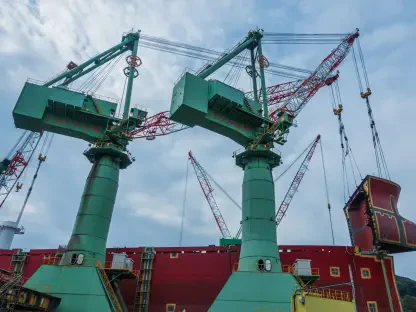
In the heavy-duty segment, cranes and hoists are becoming more intelligent and energy-efficient to meet the demands of large-scale manufacturing and infrastructure projects. Tower cranes used in skyscraper construction are now equipped with cameras and remote-control systems that allow operators to work from a ground-based station, improving safety and visibility. In factories, overhead bridge cranes are being integrated with production software to automate the movement of parts through the assembly line. These systems are increasingly powered by electricity, reflecting a broader industrial trend away from diesel and hydraulic systems. The precision offered by modern electric hoists allows for the movement of massive loads with millimeter accuracy, which is critical in industries like automotive assembly where heavy engines and chassis must be joined with perfect alignment. This combination of raw power and digital precision defines the modern state of the crane and hoist industry.
Operational Risks: Costs and Compliance
The rapid pace of technological advancement brings with it a set of significant challenges, chief among them being the high initial cost of acquiring advanced lifting equipment. For many small and medium-sized enterprises, the price of a fully automated, lithium-ion powered forklift can be double or triple that of a traditional diesel or lead-acid model. While the long-term operational savings are clear, the upfront capital expenditure remains a major barrier to adoption for firms with limited budgets. This creates a technological divide where larger, well-funded corporations can reap the benefits of automation while smaller players are forced to compete using older, less efficient machinery. To address this, some manufacturers are beginning to offer more flexible financing options and “certified pre-owned” programs that allow smaller businesses to access modern technology at a lower price point, but the cost of entry remains a significant hurdle for much of the global market.
The complexity of maintaining high-tech lifting systems is another growing concern for the industry, as these machines require a much higher level of technical expertise to service. A traditional mechanic who is comfortable with internal combustion engines may not have the skills required to troubleshoot a complex sensor array or a high-voltage battery system. This has led to a critical shortage of qualified technicians, which can result in longer periods of downtime when a machine breaks down. Companies are forced to invest heavily in training their existing staff or compete for a small pool of highly skilled specialized technicians. Furthermore, the specialized parts required for these advanced systems are often more expensive and can be subject to supply chain delays, further complicating the maintenance process. This reality is driving a shift toward service-based models where the manufacturer takes full responsibility for the uptime and maintenance of the equipment, allowing the end-user to focus on their core operations.
Compliance with a constantly evolving landscape of international safety and environmental regulations adds another layer of difficulty for manufacturers and operators alike. New standards for carbon emissions, noise levels, and operator protection are being introduced regularly, often requiring significant design changes to existing equipment. For global manufacturers, this means they must navigate a patchwork of different rules in different regions, which increases the cost and complexity of product development. Staying ahead of these regulations is not just a matter of legal compliance but also a key factor in maintaining market access, especially in regions like Europe and parts of North America where environmental standards are particularly strict. For the companies that use this equipment, the challenge lies in ensuring that their fleet remains compliant throughout its life, which may require retrofitting older machines with new safety features or emissions control systems to avoid fines and operational restrictions.
Strategic Shifts: Service Models and Sustainability
The traditional model of equipment ownership is gradually giving way to more flexible, service-oriented approaches that prioritize access over ownership. The “Fleet-as-a-Service” model is gaining traction among large logistics and manufacturing firms that want to avoid the risks associated with rapid technological obsolescence and high maintenance costs. Under this arrangement, companies pay a monthly fee for the use of a fleet of lifting equipment, while the provider handles all aspects of maintenance, software updates, and battery management. This allows businesses to scale their fleet up or down based on seasonal demand and ensures they always have access to the latest, most efficient technology. For manufacturers, this shift toward a service model provides a more stable and predictable revenue stream and creates a closer relationship with their customers, allowing them to provide more personalized solutions based on actual usage data.
The global transition to renewable energy is creating a massive new market for specialized, high-capacity lifting equipment that can handle the unique challenges of green infrastructure projects. Building offshore wind farms, for example, requires cranes of unprecedented scale and precision that can operate safely in the harsh conditions of the open sea. Similarly, the construction of massive solar arrays and hydrogen production facilities requires specialized lifting tools that can move delicate components over uneven terrain. As countries around the world commit to ambitious carbon reduction goals, the demand for these specialized machines is expected to grow significantly. Manufacturers who can develop equipment that meets the specific needs of the renewable energy sector will be well-positioned to lead the market in the coming years. This specialization is not just about raw lifting capacity but also about developing machines that can integrate with the unique logistics and construction processes of the green energy industry.
The evolution of the lifting industry recently reached a point where the distinction between heavy machinery and sophisticated robotics began to blur entirely. This transition was marked by the widespread adoption of autonomous systems and the near-universal shift toward sustainable power sources across all equipment segments. For organizations looking to remain competitive, the most critical next step is the implementation of a comprehensive data strategy that allows them to fully leverage the information generated by their smart assets. This involves moving beyond simple tracking and using advanced analytics to identify deep-seated inefficiencies in the workflow and warehouse layout. Investing in the continuous training of the workforce to manage these high-tech systems is equally vital, as the role of the operator has shifted from manual labor to the supervision of complex automated processes. By prioritizing both technological integration and human capital development, businesses can ensure they are prepared for an industrial landscape where efficiency is driven by intelligence and environmental responsibility is a prerequisite for success. In the coming years, the most successful firms will be those that view their lifting equipment not as static tools, but as dynamic participants in a fully optimized, zero-emission supply chain. Growing reliance on these advanced systems has already proven that the future of the industry belongs to those who embrace the intersection of power and data. Previous reliance on manual labor has been replaced by a sophisticated blend of human oversight and robotic precision that continues to redefine global industrial standards. This journey toward a smarter, cleaner lifting sector was built on the foundation of the innovations that are now becoming the standard for every modern facility.