
The global industrial landscape stands at a significant crossroads as the focus of artificial intelligence shifts from digital discourse toward physical application. While generative AI dominated the previous wave of innovation, the current era is defined by the integration of high-performance computing into the very steel and circuitry of heavy machinery. The collaboration between Nvidia and Doosan Group represents a bold attempt to transcend the limitations of cloud-based servers by embedding cognitive capabilities directly into construction equipment, energy grids, and manufacturing lines. By marrying Nvidia’s Blackwell architecture and Omniverse platform with Doosan’s deep-rooted expertise in industrial hardware, the two entities are attempting to build a framework for “Physical AI.” This shift implies that the most impactful intelligence will no longer reside solely in chatbots but will instead manifest in autonomous excavators and self-optimizing power plants. As this partnership progresses, it sets a precedent for how legacy industrial giants can modernize their operations to meet the demands of a high-tech global economy.
Integrating Intelligence into Industrial Robotics and Construction
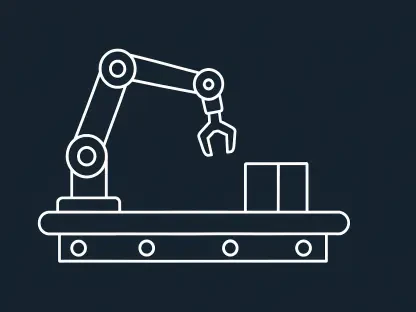
Doosan Robotics is currently leveraging the Nvidia Isaac platform to revolutionize how collaborative robots, or cobots, interact with their human counterparts in complex environments. By utilizing advanced edge computing, these machines are capable of processing vast amounts of sensor data in real time, allowing them to adapt to unscripted scenarios without manual reprogramming. This capability is essential for small to medium-sized enterprises that require flexible automation solutions to stay competitive in a rapidly changing market. The implementation of sophisticated reinforcement learning techniques means that these robots can refine their movements through repeated simulation in a virtual environment before being deployed on the factory floor. This bridge between the virtual and physical realms ensures that the robots arrive at their destination with a pre-existing understanding of their tasks. Such developments are not merely incremental; they represent a fundamental change in the way mechanical labor is perceived and utilized across the broader manufacturing spectrum.
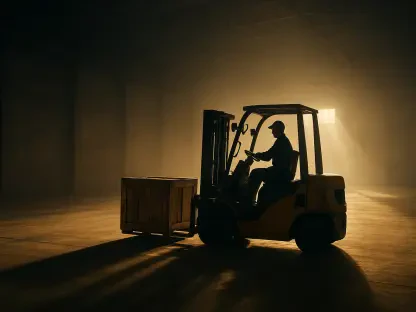
Parallel to the advancements in robotics, Doosan Bobcat is pushing the boundaries of what is possible in the construction and agriculture sectors through autonomous heavy equipment. Navigating rugged, unpredictable worksites requires a level of environmental awareness that traditional automation simply cannot provide, necessitating the use of Nvidia’s high-fidelity perception systems. These autonomous loaders and excavators are designed to operate in hazardous conditions, thereby significantly reducing the risk of human injury while simultaneously increasing operational efficiency. This technological push arrives at a critical juncture as the global construction industry continues to grapple with a chronic shortage of skilled operators and rising labor costs. By providing machines that can perform repetitive or dangerous tasks with minimal supervision, Doosan is offering a scalable solution to infrastructure challenges that have hindered growth for several years. The integration of Physical AI into these massive machines ensures that they are no longer just tools, but intelligent partners capable of making split-second decisions to optimize site safety.
Optimizing Energy Infrastructure and Material Supply Chains
The scope of this partnership extends far beyond mobile machinery into the vital infrastructure of global energy production and resource management. Doosan Enerbility is now applying sophisticated AI algorithms to optimize the performance of power plants, using predictive maintenance models to identify potential failures before they occur. By analyzing thousands of data points from turbines and boilers, the system can recommend adjustments that improve fuel efficiency and significantly lower carbon emissions. This proactive approach to energy management is becoming increasingly important as nations strive to meet stringent environmental targets while maintaining a stable power supply for growing populations. The ability to simulate various operational scenarios allows engineers to test the limits of their equipment without risking actual hardware damage or service interruptions. Through this digital-to-physical feedback loop, Doosan is effectively turning traditional power generation into a smart, data-driven enterprise that can respond dynamically to fluctuations in demand.
A particularly compelling aspect of this alliance is the circular relationship formed between Doosan’s materials division and Nvidia’s semiconductor production requirements. While Nvidia provides the intelligence, Doosan produces the high-end copper-clad laminates and other essential components required for the manufacturing of Nvidia’s next-generation AI chips. This strategic alignment ensures that Doosan is not just a consumer of AI technology but a foundational player in the very supply chain that makes such technology possible. By securing a spot in the hardware ecosystem of the world’s leading AI chipmaker, Doosan creates a resilient business model that thrives on both the software and the physical components of the industry. This synergy allows both companies to mitigate risks associated with global supply chain disruptions while fostering a deeper level of technical integration. It highlights a future where industrial conglomerates and tech giants are inextricably linked, with each providing the critical resources needed for the other to maintain a competitive edge in an increasingly crowded marketplace.
Advancing Edge Computing and the AI Factory Model
To achieve the near-instantaneous response times required for heavy industrial tasks, the partnership is championing a shift toward edge computing. Relying on distant data centers for decision-making is often impractical for a machine operating on a remote construction site where every millisecond counts for safety and precision. By processing data locally on the machine itself using Nvidia’s industrial-grade hardware, Doosan’s equipment can react to environmental changes without the latency inherent in cloud-based systems. This architecture is complemented by the “AI Factory” model, which utilizes high-fidelity digital twins to simulate entire production lines or worksites with extreme accuracy. These virtual environments allow for the testing of complex workflows and the training of AI models in a risk-free space, which drastically reduces the time and cost associated with physical prototyping. As a result, the transition from design to deployment is accelerated, allowing for a more agile response to evolving industrial needs and technological breakthroughs.
From a geopolitical and competitive perspective, this collaboration solidifies Nvidia’s strategic dominance within the industrial heart of South Korea. By embedding its proprietary software and hardware deep into Doosan’s core product lines, Nvidia creates an ecosystem that is increasingly difficult for rival tech firms to penetrate. This level of integration offers Doosan unparalleled access to the latest computing breakthroughs, yet it also creates a high degree of dependency on a single primary supplier for critical infrastructure. For major industrial players in the Indo-Pacific region, balancing the benefits of rapid modernization against the risks of vendor lock-in remains a persistent challenge. However, the immediate advantages of superior performance and market differentiation often outweigh these long-term concerns for companies aiming to lead the fourth industrial revolution. As more sectors adopt this integrated model, the boundary between traditional engineering firms and technology providers continues to blur, reshaping the global power dynamics of the industrial sector.
Overcoming Practical Implementation Hurdles: The Path Forward
Despite the optimistic projections surrounding the rise of Physical AI, several significant hurdles remain regarding its widespread implementation and long-term reliability. Unlike the consumer market, where an AI-generated error might result in a humorous mistake, industrial environments maintain a strict zero-tolerance policy for failure due to the potential for catastrophic consequences. Ensuring that an autonomous excavator or a smart power grid can operate flawlessly in high-stakes, unpredictable conditions is a monumental task that requires rigorous validation and testing. The challenge lies in scaling these solutions beyond controlled pilot programs into the chaotic reality of global industrial sites where environmental variables are endless. For the partnership to reach its full potential, it must demonstrate that its AI systems can maintain high levels of uptime and safety without requiring constant human intervention. Success in this area will depend on the development of robust fail-safe mechanisms and standardized protocols that can guarantee the integrity of automated operations across diverse industries.
The journey toward a fully autonomous industrial future required clear evidence of a consistent return on investment for end-users and site managers alike. Decision-makers in the construction and energy sectors prioritized the validation of these systems through rigorous real-world testing rather than relying on theoretical benefits. It became essential for stakeholders to focus on the interoperability of AI platforms across different hardware brands to avoid isolated technological silos that could hinder site-wide coordination. Engineers moved to establish comprehensive data governance frameworks that protected sensitive industrial information while allowing for the continuous learning required by Physical AI systems. Looking ahead, the focus shifted toward training a new generation of workers who were capable of overseeing and maintaining these complex, hybrid human-machine environments. By addressing the practical realities of safety, cost, and reliability, the alliance paved the way for a more resilient industrial infrastructure. The ultimate outcome of this collaboration depended on the ability to turn visionary concepts into tangible assets that enhanced the productivity of the global workforce.