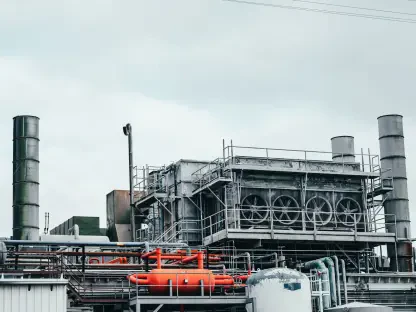

The sudden and tragic cessation of operations at the Nippon Dynawave liquid packaging board mill in Longview has sent shockwaves through the regional industrial sector, highlighting the precarious nature of handling high-pressure chemical systems within aging manufacturing infrastructure. As investigators sift through the wreckage of the recent incident, the facility remains silent, marking a somber pause for a site that has been a cornerstone of the local economy and a critical link in the global supply chain for food and beverage packaging. This idling follows a catastrophic chemical release that resulted in a fatality and multiple injuries, forcing a comprehensive reassessment of safety protocols and mechanical integrity across the entire facility. The incident serves as a stark reminder that even with modern advancements in process automation, the physical reality of industrial processing demands unwavering vigilance and proactive maintenance to prevent localized failures.
Regulatory Review
Mechanical Failure
When the breach occurred in the mill’s chemical recovery section, emergency response teams were immediately dispatched to contain the hazardous plume, but the speed of the release created an environment where standard containment measures were insufficient to prevent loss of life. Initial reports suggest that a failure in a high-pressure line permitted a concentrated burst of toxic chemicals to saturate a confined workspace, leaving personnel with mere seconds to react to a situation that was both unforeseen and devastating. In the hours following the spill, local authorities and environmental health officials established a perimeter to ensure that the surrounding residential areas were not at risk, though the psychological impact on the workforce was immediate. The mill’s decision to halt production indefinitely was not merely a logistical necessity but a moral imperative to ensure no further risks are taken until the cause of failure is identified and fully remediated.
Oversight Progress
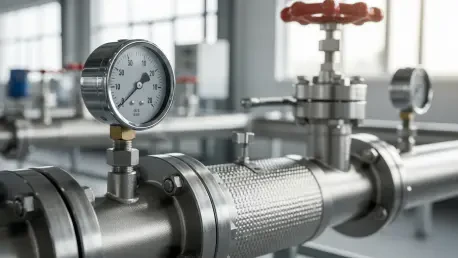
Federal safety inspectors from the Occupational Safety and Health Administration have joined state environmental agencies to conduct a granular analysis of the piping systems and valve configurations that preceded the catastrophic failure. This investigative phase is expected to take several weeks, as engineers must perform metallurgical testing on the ruptured components to determine if the cause was sudden overpressurization, chronic corrosion, or a failure in the automated monitoring system designed to trigger emergency shutdowns. While the mill had undergone routine maintenance checks recently, this tragedy raises difficult questions about the efficacy of current inspection cycles for equipment that operates under extreme stress. Consequently, the investigation will look beyond the physical break to examine the safety culture and training programs that dictate how personnel interact with high-risk machinery during normal operations and during the critical moments of an emergency.
Safety Upgrades
Predictive Systems
Building on the lessons learned from this incident, industrial leaders are now looking toward the integration of AI-driven predictive maintenance platforms that can detect micro-fluctuations in pressure and temperature long before they manifest as physical breaches. These systems utilize a dense network of IoT sensors to provide real-time data visualization, allowing engineers to visualize the internal health of chemical lines that are otherwise inaccessible during active production cycles. By transitioning from a reactive maintenance model to a proactive, data-centric approach, facilities like Nippon Dynawave can create a digital twin of their operations to simulate various failure scenarios and refine their response strategies. This technological shift is not just about efficiency; it is about creating a redundant layer of safety that operates independently of human observation, ensuring that the first sign of a leak triggers an automated isolation of the affected sector.
Cultural Shifts
The path toward reopening the facility required a fundamental shift in how the organization approached risk management and community engagement following the resolution of the initial crisis. The mill implemented rigorous new training modules that emphasized decentralized decision-making, empowering floor technicians to initiate an emergency stop if any deviation from safe operating parameters was detected. Furthermore, the company established a transparent communication bridge with the local municipality to provide real-time updates on environmental monitoring and safety audit results, ensuring that neighbors felt informed rather than endangered. To prevent a recurrence, engineering teams replaced outdated alloy components with resilient, corrosion-resistant materials and doubled the frequency of ultrasonic testing. These actionable steps proved critical in modernizing the facility’s safety architecture and ensuring that the restart was grounded in a culture that prioritized human life.