Factory managers often hesitate to deploy autonomous systems because they lack empirical evidence regarding how a specific model will behave when a prediction is incorrect. This fundamental uncertainty creates a psychological and operational barrier that prevents the widespread adoption of
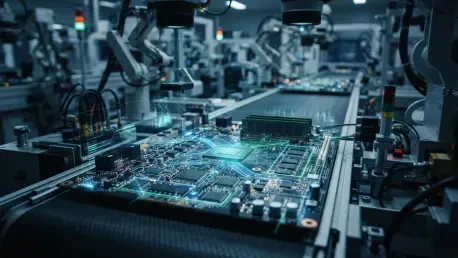
The partnership between these two tech giants marks a milestone in how physical simulation and generative AI combine to solve complex engineering challenges. This collaborative effort represents a fundamental shift in the electronics manufacturing landscape, where the demand for high-precision
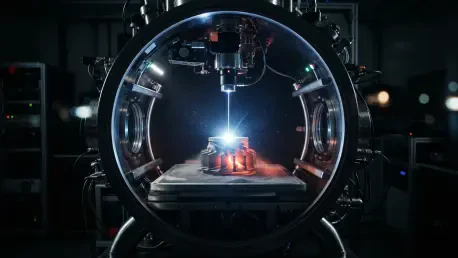
The engineering demands of modern aerospace propulsion and next-generation nuclear reactors have pushed traditional metallic materials to their absolute thermal and mechanical limits, necessitating a shift toward refractory alloys. These elements, including tungsten and niobium, offer unparalleled
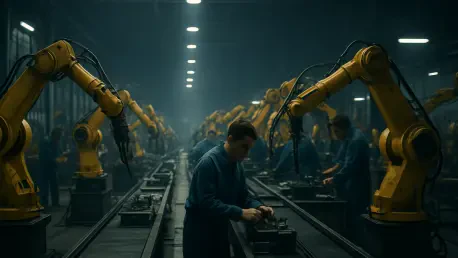
The new facility in Auburn Hills significantly expands regional training capacity by increasing the total number of classrooms from thirteen to twenty-eight. This 132,000-square-foot structure represents a massive $18 million capital investment designed to address the widening skills gap in

Advanced instrument vendors are now prioritizing data integrity and regulatory compliance to meet the rigorous demands of Good Manufacturing Practice environments. This shift reflects a broader transformation where analytical science has moved beyond its traditional role as a secondary support
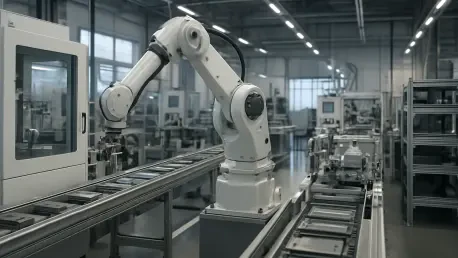
Autonomous manufacturing AI acts as the central brain of a facility by predicting outcomes and independently adjusting operating conditions to optimize overall performance. This technological evolution marks a definitive departure from the era of static automation, where machines merely followed