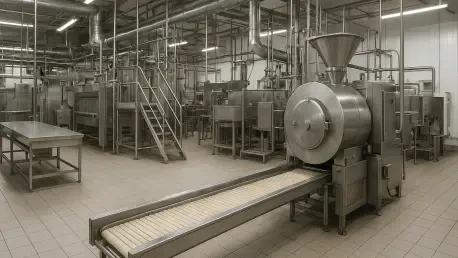

With India's food manufacturing market projected to reach USD 700 billion by 2030, the demand for convenience-led vegetable processing is creating substantial new entry points for industrial investors. As the global population gravitates toward urban living, the preference for shelf-stable,
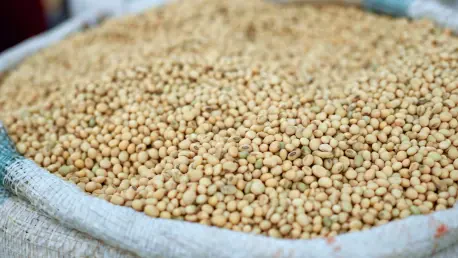
The staggering reality of modern agriculture is that while crops feed billions, the soil beneath them has historically acted as a leaking sieve for carbon dioxide, contributing to the very atmospheric instability that threatens global food security. In the current landscape of 2026, a paradigm

High-temperature Gloria ovens process organic waste into biochar, a stable substance capable of storing carbon in the soil for centuries to generate tradable credits. This technological marvel serves as the central engine of SwissX Island, a 50-acre facility in St. John’s, Antigua, which has
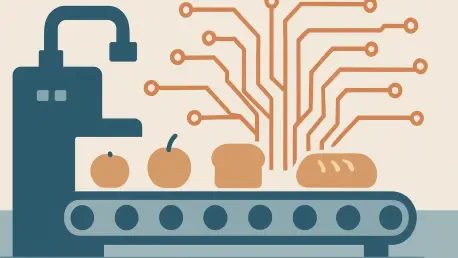
Automating the flow of information removes the inherent risks of human error associated with manual data entry and paper-based instruction sets in the food industry. This transition is no longer a luxury but a fundamental requirement for facilities managing complex global supply chains in 2026. By
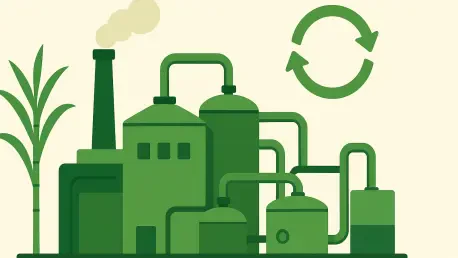
Traditional surfactant production relies heavily on petroleum, yet microbial molecules derived from agricultural waste offer a biodegradable and low-toxicity alternative. The global sugar industry stands at a pivotal crossroads as it manages the staggering volume of byproducts generated by
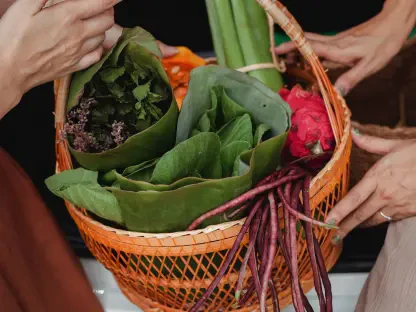
Capturing higher profit margins in the agricultural sector often depends on a farm-to-table philosophy that prioritizes organic ingredients and home-cooked quality. For family-run businesses like Buenavita Food Products, this approach serves as a vital bridge between traditional cultivation and the