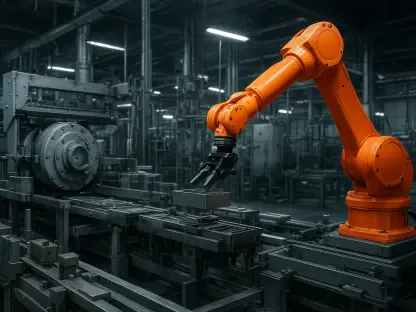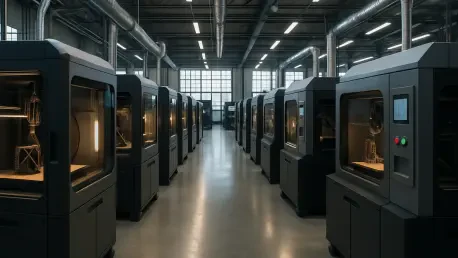
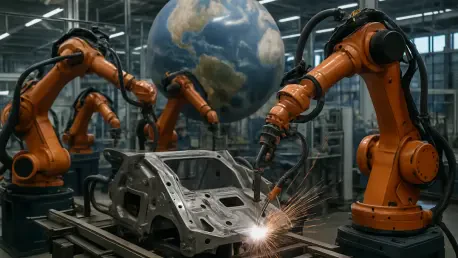
Deep within the industrial heartland of Chongqing, a sprawling factory floor operates in near-total darkness, its silence broken only by the hum and whir of machinery as a new car rolls off the assembly line every sixty seconds. This is the Chang’An Automobile "dark factory," a marvel of modern
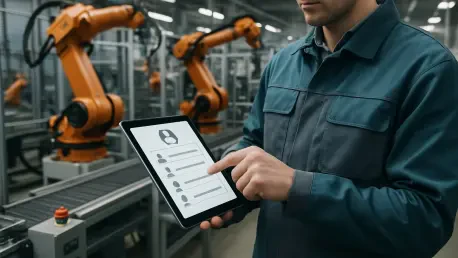
The seamless integration of robotics, data analytics, and interconnected systems defines the modern smart factory, yet this picture of technological sophistication is often disrupted by an administrative function still rooted in the past. While the production floor operates with precision and
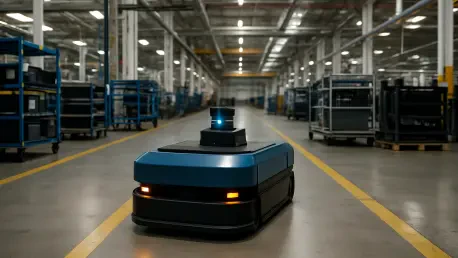
Siemens' SIMOVE ANS+ navigation software represents a significant advancement in the industrial automation sector, offering a blueprint for the reconfigurable smart factories that are quickly becoming an industry necessity. This review will explore the evolution of this technology, its key

The journey of produce from a sun-drenched field to a sterile supermarket aisle is increasingly managed not by the hands of a farmer but by the cold logic of algorithms, transforming pastoral landscapes into highly controlled, data-driven production zones. Modern agriculture stands at a critical
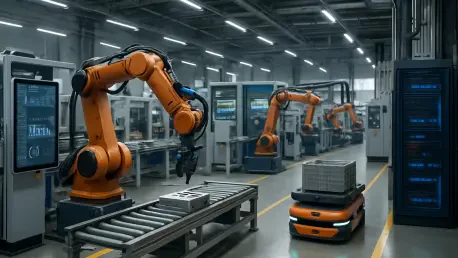
In the relentless pursuit of the next industrial revolution, where the convergence of information technology and operational technology is no longer a futuristic concept but a present-day imperative, companies are making bold moves to secure their positions as market leaders. Belden Inc., a global
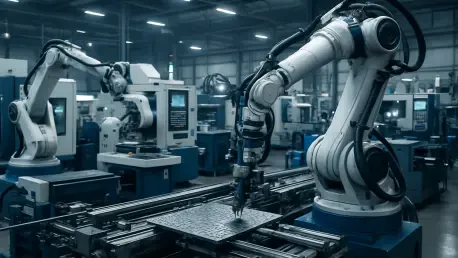
The factory floor of today is becoming almost unrecognizable from its recent past, rapidly evolving from a place of manual labor into a sophisticated ecosystem of intelligent, interconnected machines. At the core of this monumental shift is the Computer Numerical Control (CNC) machine, a technology