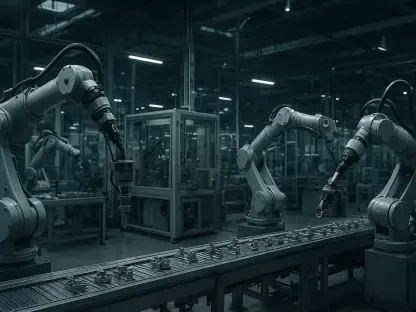
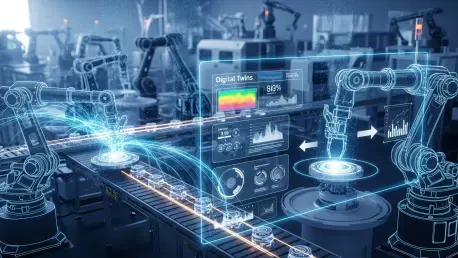
The rapid convergence of high-speed industrial networking, advanced sensor arrays, and massive cloud-based processing power has finally moved the digital twin from the realm of experimental pilot programs into the core of modern manufacturing operations. For decades, factory managers relied on
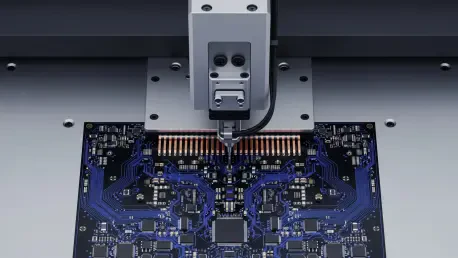
The global manufacturing landscape is currently undergoing a radical metamorphosis as advanced automation transitions from a luxury of the elite to the indispensable cornerstone of electronics production worldwide. This tectonic shift is encapsulated by the projected expansion of the electronics
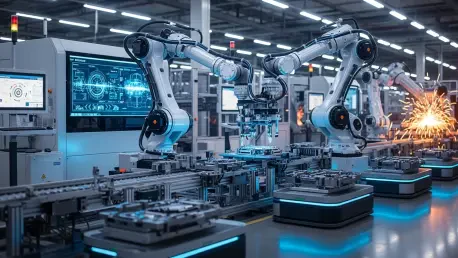
The rapid transformation of the industrial landscape has reached a critical juncture where nearly half of the world's major smart factories now operate within Chinese borders, showcasing a level of technological maturity that seemed aspirational only a few years ago. This shift is not merely about
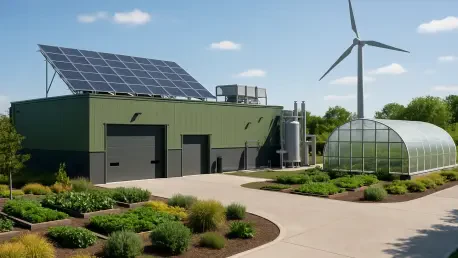
The global food service industry currently faces an unprecedented mandate to balance the efficiency of massive supply chains with the ethical necessity of localized, carbon-neutral production. Compass Group has initiated a significant project in Derbyshire that serves as a blueprint for this

The Evolving Frontier: Robotic Security and Regulatory Oversight The rapid expansion of high-performance robotic systems into critical American infrastructure has forced a paradigm shift where the physical machine is now viewed as a potential gateway for systemic disruption. What were once

The sight of a flashing red light on a production floor dashboard no longer represents just a problem to be solved by a human operator, but rather a trigger for an intelligent system to autonomously evaluate and resolve the underlying issue before the shift even ends. In the current manufacturing