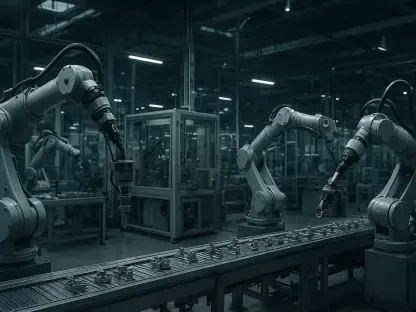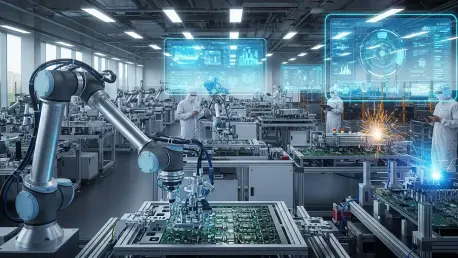
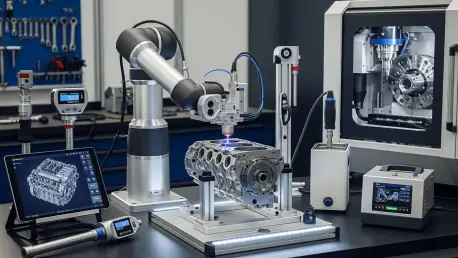
The intricate precision required to forge a modern vehicle chassis has transitioned from a labor-intensive craft into a high-stakes digital discipline that dictates the survival of global automotive manufacturers. Advanced automotive tooling serves as the bedrock of this transformation, providing

Modern manufacturing facilities often generate terabytes of sensor data every hour, yet much of this information remains locked in proprietary formats or isolated server racks, rendering it virtually useless for high-level decision-making. The transition from legacy operations to digital excellence
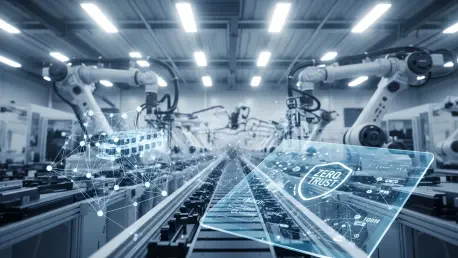
Recent statistical shifts indicating a decrease in the volume of successful ransomware deployments against global manufacturing facilities might suggest a reprieve for industrial leaders, yet this data often masks a more sinister transition toward high-precision operations. Many executive boards

The modern automotive landscape has undergone a radical shift from being a collection of mechanical systems to becoming a sophisticated ecosystem of interconnected digital nodes that redefine the very essence of mobility for every single person on the planet. Today, a vehicle is essentially a

The increasing sophistication of state-sponsored cyber adversaries has transformed modern industrial facilities into primary targets for international espionage and large-scale disruption efforts. NATO’s recent intelligence briefings highlight a significant shift in the threat landscape, where the

The modern aerospace landscape is defined by an uncompromising commitment to safety where even the smallest hairline fracture in a turbine blade or a microscopic delamination in a composite fuselage can lead to catastrophic failure. Traditionally, ensuring the structural integrity of these