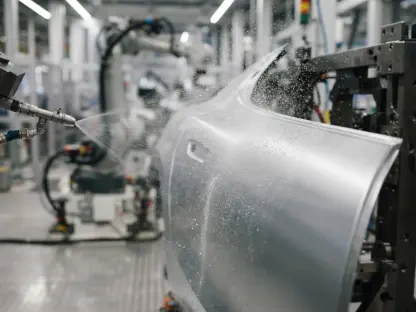

Water-based dispersion coatings are emerging as the dominant technology for creating functional barriers that can be easily repulped in existing paper mills. As of 2026, the global logistics sector is navigating a pivotal transition where material science must align with aggressive environmental
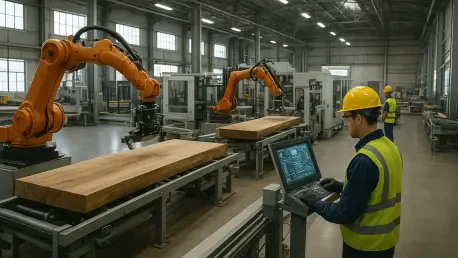
Increased demand for Brazilian manufacturing technology and raw materials in secondary markets is currently the primary factor preventing a total contraction of the furniture supply chain. As the industry navigates the complexities of the current year, the landscape is defined by a stark contrast

The convergence of automotive software sophistication and aerospace engineering has ignited a race toward the sky, positioning vertical flight as the most viable solution for modern urban gridlock. The partnership between Tata Elxsi and Sarla Aviation marks a transformative milestone in the

A breakthrough in materials science demonstrates that copper-based frameworks can remove more than 90 percent of lead from contaminated water within one hour. This development, spearheaded by engineers at the University of Birmingham, represents a significant shift in environmental engineering

Manufacturing consistency remains the single greatest obstacle for companies attempting to bring complex biological nanomedicines to the commercial market. While the theoretical promise of utilizing microscopic delivery systems has existed for decades, the practical transition from laboratory-scale

Cargo vehicles now comprise ninety-seven percent of total national assembly, leaving the passenger bus segment as a marginal component of Mexico's industrial output. This overwhelming dominance of heavy trucks highlights a strategic pivot in the nation’s manufacturing focus, occurring as the