
A 2019 study by the National Institute of Standards and Technology confirmed that facial recognition algorithms are up to 100 times more likely to misidentify Black and Asian faces. This alarming statistic serves as a cornerstone for current discussions regarding the ethical deployment of smart

Fine chemical manufacturing traditionally depends on geographically concentrated resources that are increasingly sensitive to global supply chain disruptions. This vulnerability has prompted a massive re-evaluation of how the industrial sector approaches catalytic processes, which remain the
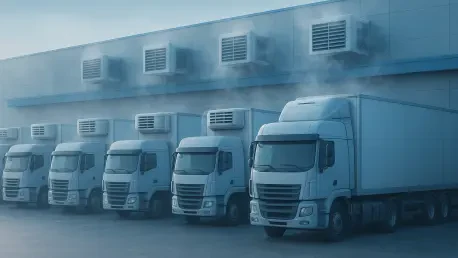
Every single second a temperature-sensitive shipment lingers in the transition zone between a freezer and a trailer represents a direct hit to a food manufacturer’s annual profitability. While technical failures in refrigeration units are rare, the true financial drain usually occurs during the

The Indian chemical sector is currently navigating a complex transition as it emerges from a three-year period of stagnation to reclaim its position as a global manufacturing powerhouse. While the previous few years were defined by compressed margins and cautious capital management, the current

Toyota, Honda, Mazda, Suzuki, and Mitsubishi are collaborating on non-competitive manufacturing areas to build a more resilient domestic supply chain against Chinese automotive expansion. This unprecedented alliance signals a fundamental shift in the Japanese automotive landscape, where the

Steelcase currently maintains its global leadership position by generating approximately $3.2 billion in annual revenue through its specialized focus on the evolution of work environments. This financial success serves as a benchmark for an industry that has undergone a massive transformation,