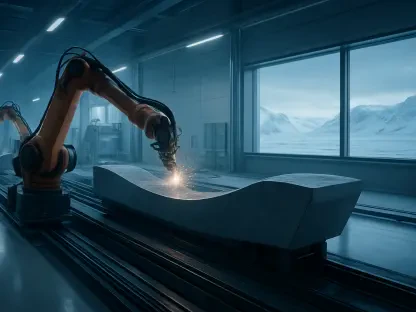

Large-format additive manufacturing is being integrated into local infrastructure to serve the growing natural resource, tourism, and industrial sectors of the region. This transition is spearheaded by the Greenland Arctic Development Corp (GADC) through a strategic collaboration with Caracol, an
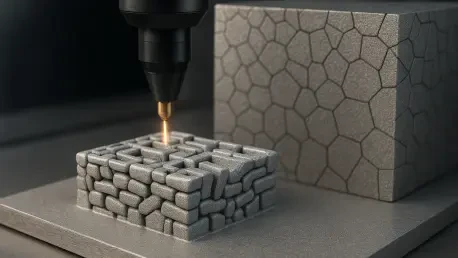
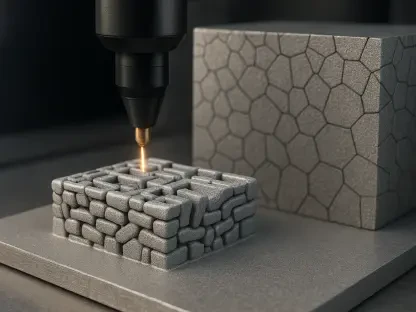
A single one-hour annealing treatment at 1100 degrees Celsius has been shown to transform the brittle microstructures of 3D-printed steel into highly ductile and fracture-resistant configurations. This discovery, emerging from recent investigations at Northwestern Polytechnical University,

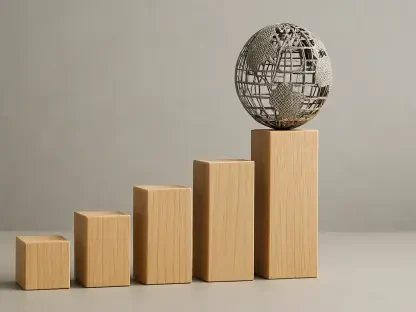
Industrial demand for high-purity specialized alloys is propelling the global metal powder market toward an $11 billion valuation by the end of the decade. This transition from a specialized metallurgical niche into a foundational pillar of modern production reflects a broader industrial shift
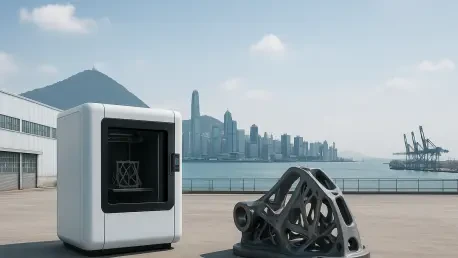
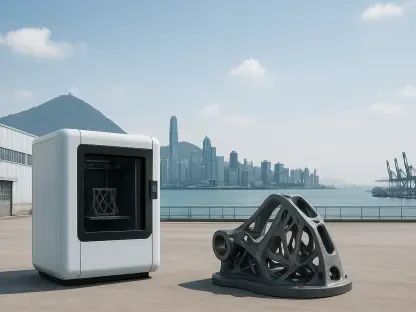
Mitsubishi’s use of five-axis control in its latest hardware allows for the creation of complex geometries that were previously impossible to achieve with traditional casting. This breakthrough represents a broader shift across the Asia-Pacific region, where the focus has transitioned from
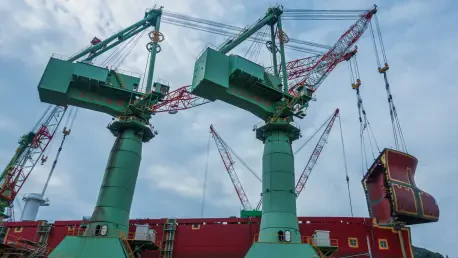
The integration of intelligent technologies into physical manufacturing processes represents a new frontier in the competition for global maritime leadership. As the maritime sector undergoes a massive digital overhaul, Italian shipbuilding titan Fincantieri is spearheading a movement to redefine

The Norwegian Army is currently operationalizing digital warehousing to replace physical inventory with on-demand 3D printing capabilities for its allied production networks. This strategic pivot reflects a broader industry-wide transition where additive manufacturing has moved beyond rapid
1 2 3 4 5 6 7 8 9 10 11 12 13 14 15 16 17 18 19 20 21 22 23 24 25 26 27 28 29 30 31 32 33 34 35 36 37 38 39 40 41 42 43 44 45 46 47