The thunderous roar of a rocket ascending toward the stars often obscures the grueling administrative battle fought by engineers on the ground to certify every individual printed part. While additive manufacturing has mastered the art of printing complex geometries, the industry remains shackled by
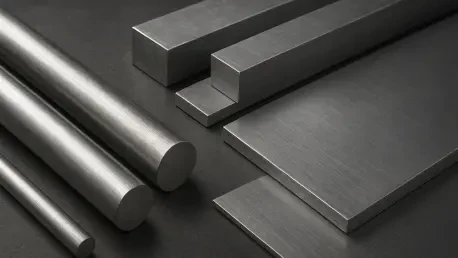
Engineered lattice misfit allows for the creation of resilient materials that no longer depend on the force of a hammer for their structural integrity. For centuries, the practice of metallurgy was defined by the visceral application of power, where forging, rolling, and extrusion were the only

Imagine the overwhelming silence that follows a diagnosis when a cardiologist explains that a newborn’s heart, an organ barely the size of a walnut, possesses structural defects that require immediate surgical intervention. For thousands of families across Australia and beyond, this moment marks
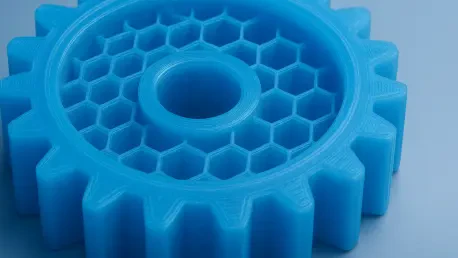
The decision to use specific infill patterns allows practitioners to engineer the internal characteristics of an object to meet high-impact resistance or weight-bearing requirements. In the current landscape of Fused Deposition Modeling, these internal structures act as the invisible backbone of
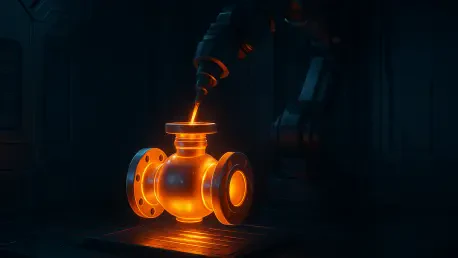
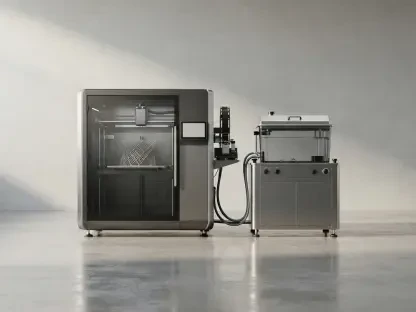
The Zetamix metal 3D printing solution offers a robust method for creating mechanical parts while minimizing the safety risks inherent to traditional metal additive processes. This technological leap has found its most prestigious application aboard the French aircraft carrier Charles de Gaulle,
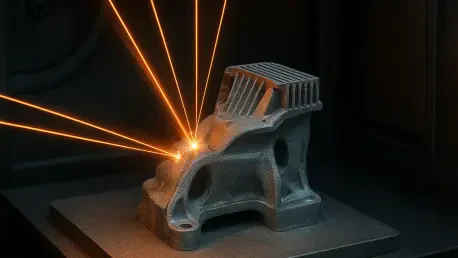
The rapid transition from experimental prototyping toward high-volume industrial output has fundamentally altered the landscape of metal additive manufacturing by demanding unprecedented levels of speed and precision. Traditional single-laser systems often struggle to meet the throughput