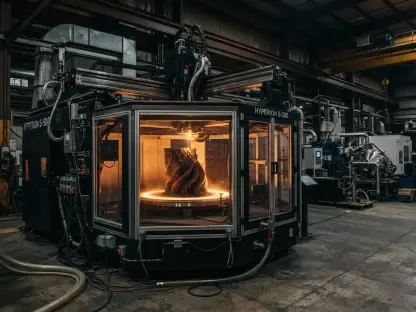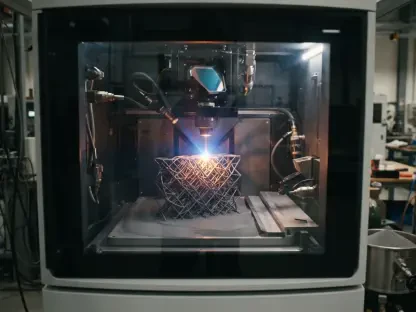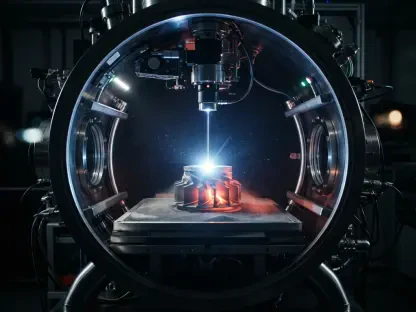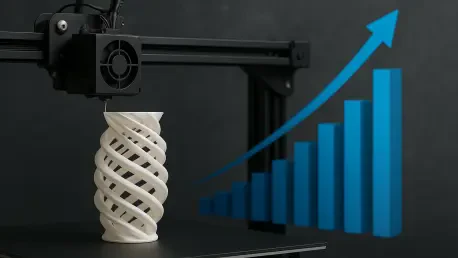
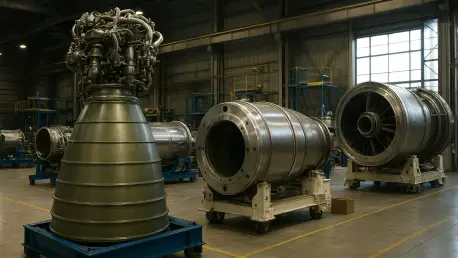
The ability to print complex, lightweight engine parts on demand ensures that the next generation of rockets will be significantly cheaper to launch. For decades, the aerospace industry operated under a paradigm of extreme mechanical complexity, where constructing a single rocket engine required
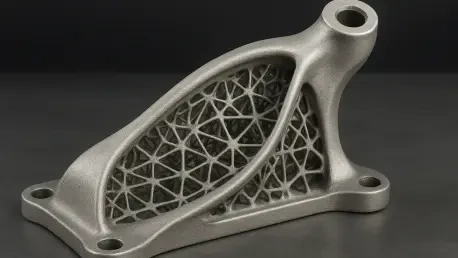
The economic benefits of using iron are substantial, as it provides a low-cost alternative to expensive alloying elements like vanadium and molybdenum. This shifts the strategic focus toward sustainable and accessible manufacturing for high-performance flight hardware in the modern era. In the
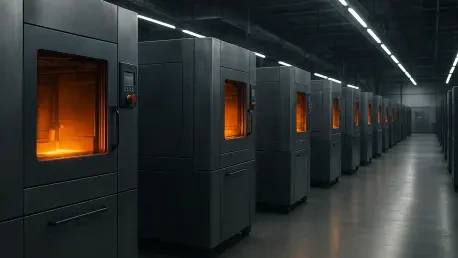
High-volume service providers are becoming the backbone of the additive industry by managing the complexities of 24/7 industrial printer operations. The initial dream of decentralized manufacturing, where every home or office would house a high-end 3D printer, has largely been replaced by a reality

The thunderous roar of a rocket ascending toward the stars often obscures the grueling administrative battle fought by engineers on the ground to certify every individual printed part. While additive manufacturing has mastered the art of printing complex geometries, the industry remains shackled by
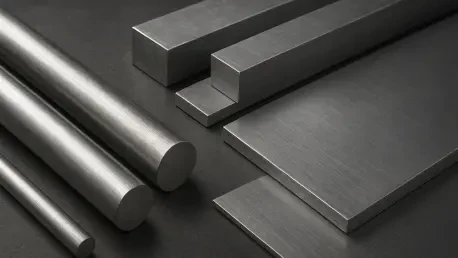
Engineered lattice misfit allows for the creation of resilient materials that no longer depend on the force of a hammer for their structural integrity. For centuries, the practice of metallurgy was defined by the visceral application of power, where forging, rolling, and extrusion were the only

Imagine the overwhelming silence that follows a diagnosis when a cardiologist explains that a newborn’s heart, an organ barely the size of a walnut, possesses structural defects that require immediate surgical intervention. For thousands of families across Australia and beyond, this moment marks