High-power laser applications are currently constrained by stimulated Brillouin scattering, a phenomenon that occurs when glass fibers reach their maximum energy thresholds. As energy pulses travel through silica-based glass, they induce acoustic vibrations that reflect light back toward the
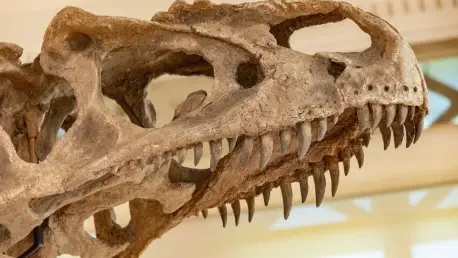
Collaborating with musculoskeletal biologist Dr. Matt Dempsey, artists have ensured that these nine-meter sculptures reflect the latest vertebrate paleontology. Blenheim Palace, a site known for its Baroque architecture, now serves as the backdrop for an unprecedented fusion of ancient history and
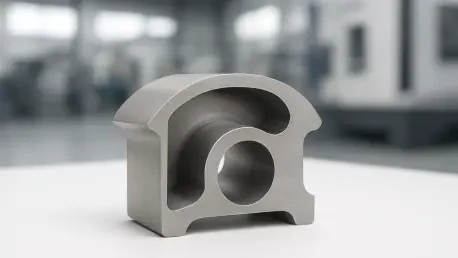
By bridging the gap between raw material availability and advanced manufacturing, Amaero ensures the United States has the physical resources to match its digital design innovations. This strategic initiative centers on the establishment of a premier manufacturing facility in McDonald, Tennessee,
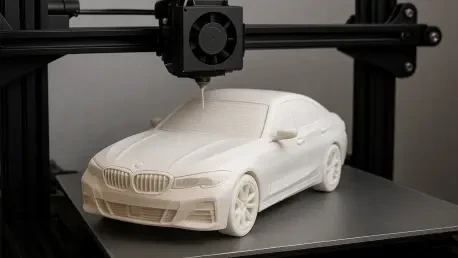
The development of the upcoming "Neue Klasse" electric vehicle series relies on 3D-printed components for functional validation in crash tests and drive system development. This shift marks a definitive departure from the days when additive manufacturing was reserved solely for aesthetic mockups or

The ability to use recycled granules in additive processes supports the goal of creating a more resource-efficient and circular production network. As the automotive landscape continues to pivot toward electrification and software-defined architectures, the physical infrastructure of manufacturing

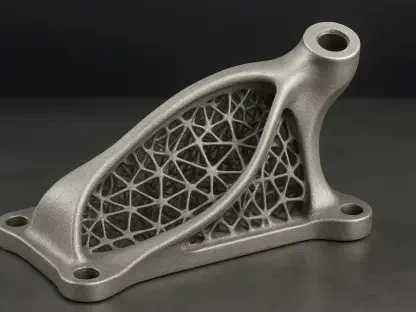
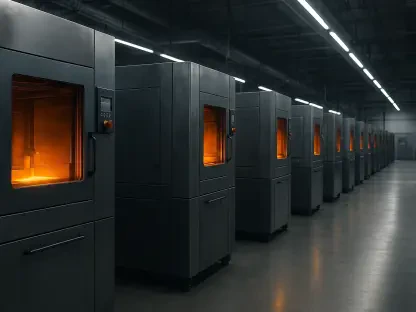
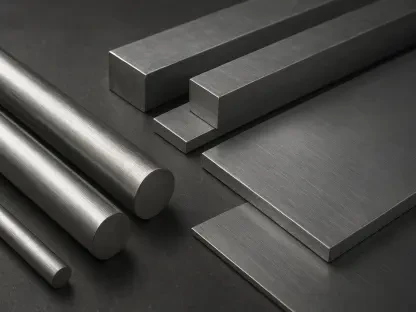
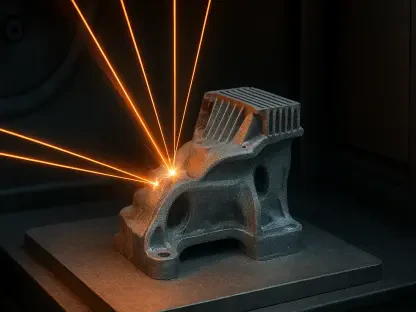
The relentless pursuit of industrial efficiency has pushed 316L stainless steel from traditional forge hearths into the high-precision laser beds of modern additive manufacturing facilities. This transition is not merely a change in tooling but a fundamental shift in how engineers approach the