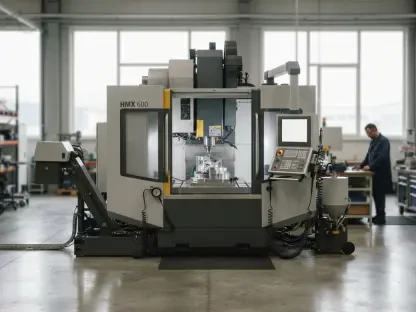

Scene management technology allows industrial sites to tailor illumination levels for specific high-risk tasks, directly improving occupational safety standards. This shift represents a broader evolution within the manufacturing sector where lighting is no longer viewed as a static utility but as a

Research indicates that low VO2 max levels are closely correlated with increased risks of chronic disease and poor long-term health outcomes in the general population. For decades, the primary method for assessing this vital health metric involved maximal exertion tests, such as running on a

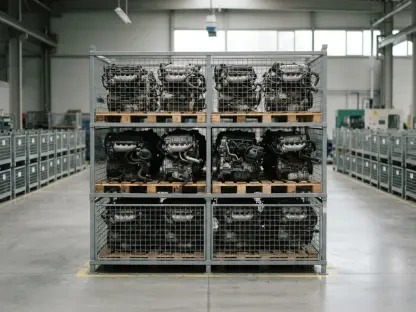
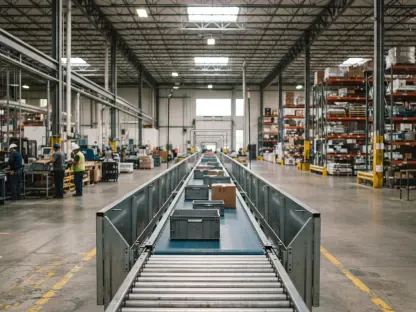
Financial indicators such as the Cash Conversion Cycle provide essential data for determining if current inventory levels are supporting or hindering business growth. This metric has become the central focus for modern manufacturing floors as organizations navigate the complex transition away from

A significant portion of the reconstruction project involved applying sophisticated Computer-Aided Design strategies to ensure the aesthetic flow of the 3D-printed figure. This ambitious undertaking, a collaboration between Montana Technological University, Montana State University, and the

The ability to optimize tabletting processes using only small quantities of materials is a critical advantage for pharmaceutical companies navigating tight development timelines. As the pharmaceutical industry continues to evolve in 2026, the demand for sophisticated Contract Development and

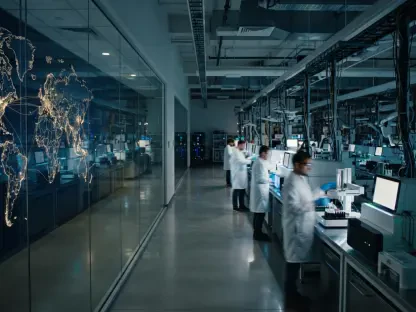
Remote monitoring infrastructure must be robust enough to handle diverse patient environments while maintaining strict security and privacy standards for sensitive data. This requirement sits at the heart of a massive transformation currently sweeping through the global healthcare landscape, as