
The traditional machinery replacement cycle is being disrupted as specialized agricultural contractors take over ownership and maintenance of high-utilization fleets. This transformation signifies a departure from the conventional model of periodic equipment upgrades, moving toward a continuous,

Integrating smart home hubs directly into streaming boxes allows users to monitor security camera feeds on their televisions without the need for separate, high-priced dedicated networking equipment. This technical evolution marks a significant shift in the 2026 consumer electronics market, where
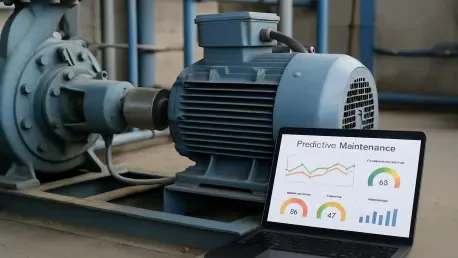
A sudden spike in vibration data may indicate an imminent mechanical failure in a steady-state environment, but it often represents a normal operational sequence during a machine's startup phase. This distinction highlights the fundamental challenge of modern industrial oversight: the transition

A rigorous health check of inventory management systems is now the primary tool for Australian firms looking to protect their margins against rising input costs and falling sales. This shift marks a definitive end to the reactionary era where local manufacturers relied on massive stockpiles to
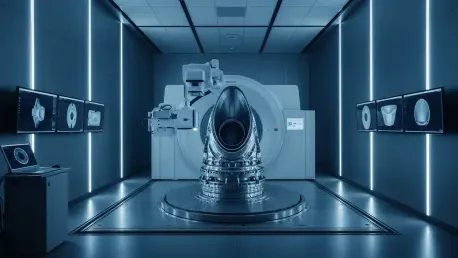
Maintaining the structural integrity of high-performance spacecraft requires an unprecedented level of precision that traditional inspection methods can no longer provide in the era of complex additive manufacturing. As engineers push the boundaries of design with lightweight, 3D-printed alloys,

The current evolution of medical sensors is fundamentally redefining the relationship between patient biology and clinical intervention by shifting the focus from episodic treatment to continuous physiological oversight. This transition marks the end of an era characterized by "wait and see"