
The current evolution of medical sensors is fundamentally redefining the relationship between patient biology and clinical intervention by shifting the focus from episodic treatment to continuous physiological oversight. This transition marks the end of an era characterized by "wait and see"
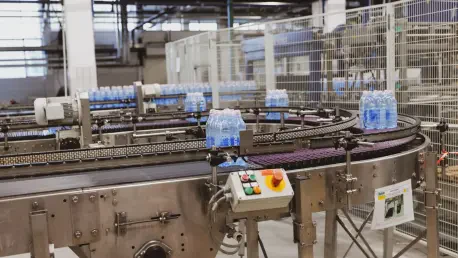
The global industrial sector currently stands at a crossroads where the hyper-efficiency of the past decades is being systematically overhauled by a new mandate for operational survival. For years, the gold standard for success involved stripping away every possible ounce of waste, turning

The global electronics manufacturing landscape is witnessing a seismic shift as Foxconn, the world’s largest contract manufacturer, pivots away from traditional consumer devices to embrace the massive infrastructure requirements of generative artificial intelligence. For decades, the industry
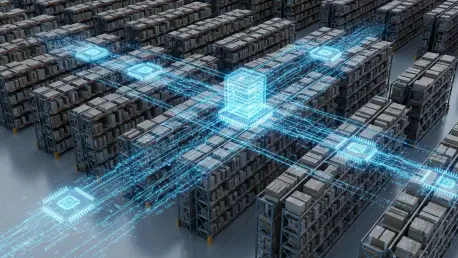
Supply chain executives often find themselves caught between the glitzy promises of autonomous warehouses and the harsh reality of fragmented spreadsheets that still govern global inventory. While the broader tech industry has embraced generative intelligence for creative tasks, the logistics
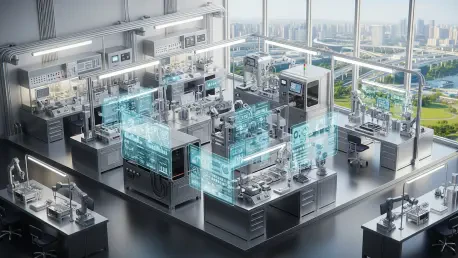
The sudden shift in economic gravity toward central Korea suggests that the traditional reliance on Seoul’s financial dominance is giving way to a more distributed, technology-first industrial model. This transformation is currently centered on the Daedeok Innopolis and the Korea Advanced Institute

The global electronics market in 2026 has been caught in a perfect storm as rapid expansion in artificial intelligence infrastructure has pushed lead times for printed circuit boards to nearly two years. High-intensity AI development has fundamentally altered the procurement landscape, creating a