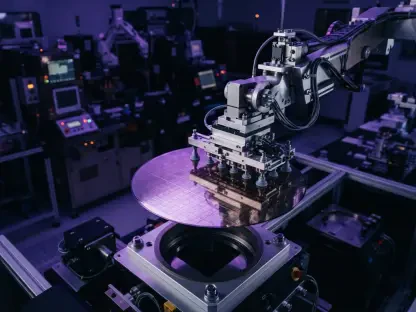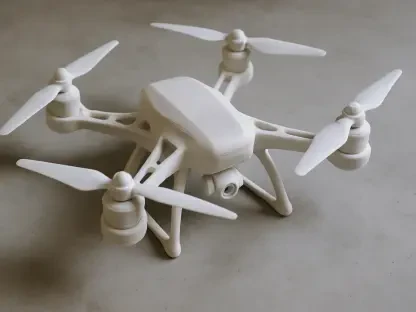

Backed by a 2.75 million pound grant from Innovate UK, the University of Bradford is leading a high-powered consortium to modernize the regional industrial landscape. This initiative, known as the Yorkshire Robotics Adoption Hub, commands a total budget of 3.67 million pounds and serves as a direct
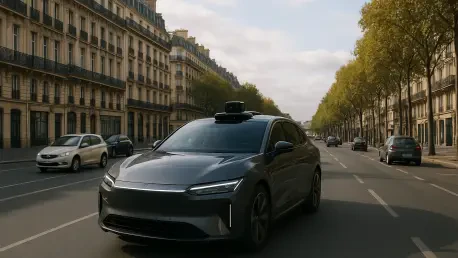
The absence of clear lane markings on the Champs-Élysées forced the vehicle's AI to synthesize its own digital path through a dense thicket of urban traffic. This high-stakes demonstration in the heart of France serves as a litmus test for BYD’s advanced "God’s Eye" City Navigation on Driving

Digital health platforms now enable clinicians to monitor neurostimulation device performance and adjust therapeutic settings remotely without requiring an in-person office visit. This development marks a significant milestone in 2026, where the intersection of telecommunication and neurobiology
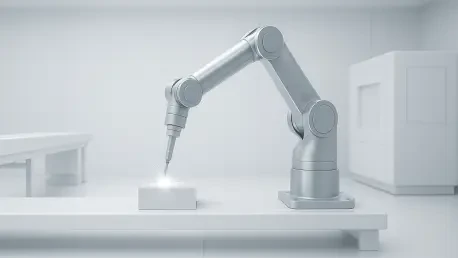
Hyundai and Kia are developing physical AI systems specifically designed to handle high-difficulty assembly tasks that have historically required human dexterity. This technological leap marks a significant departure from traditional robotic automation, which generally excels at repetitive, simple

Traditional centralized cloud processing architectures struggle to meet the strict latency requirements of modern vehicular networks, necessitating a shift toward localized edge computing solutions. The Internet of Vehicles (IoV) represents a transformative leap in the evolution of the Internet of

By implementing a twelve-state behavioral finite state machine, developers can now simulate diverse pedestrian archetypes ranging from business people to parents with young children. This technological breakthrough in 2026 addresses a critical bottleneck in the safety validation of autonomous