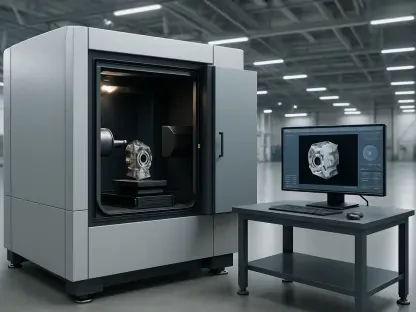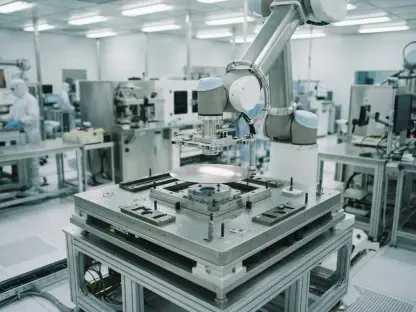
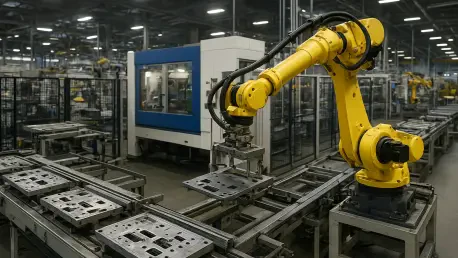
The domestic market in the United States is anticipated to reach $21.24 billion by 2035 as domestic manufacturers prioritize predictive maintenance and real-time operational visibility. This significant financial milestone reflects a broader global shift toward a fully digitized industrial

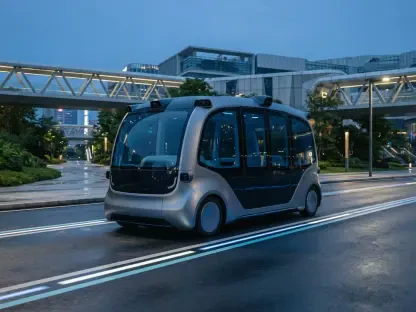
The transition toward software-defined vehicles is fundamentally altering the automotive supply chain, moving away from century-old mechanical linkages to sophisticated digital architectures. An aggressive revenue target of three hundred million yuan by 2027 reflects the company's confidence in

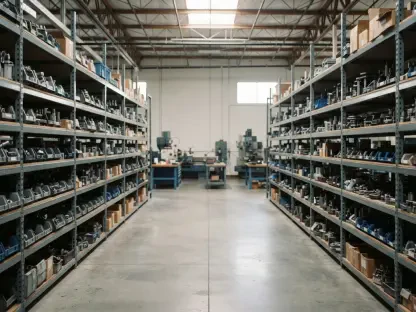
The global food logistics landscape has shifted from simple cargo movement to a sophisticated battleground of predictive algorithms and autonomous orchestration that redefines how commodities move across continents. This transformation signals a departure from traditional reactive management toward

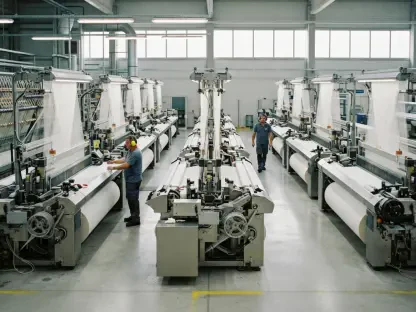
Industry veterans like Tomasz Siekacz of Agmamito Group suggest that the current market pressure may be a necessary catalyst for modernizing the sector's aging sourcing infrastructure. This shift comes at a critical juncture where the traditional competitive advantage of low labor costs has

Zero Trust architecture is replacing the outdated castle-and-moat security model by requiring continuous identity verification for every user and machine-to-machine communication. This evolution marks a significant departure from the era when industrial systems were shielded by physical distance

Manufacturing consistency remains the single greatest obstacle for companies attempting to bring complex biological nanomedicines to the commercial market. While the theoretical promise of utilizing microscopic delivery systems has existed for decades, the practical transition from laboratory-scale