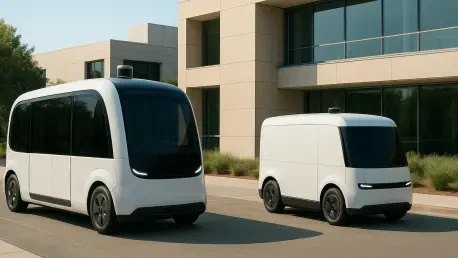
By integrating three light-industrial units and office spaces, the Roads and Transport Authority has created a complete lifecycle hub for driverless vehicle development. This facility, known as Dubai Mobility Labs, represents a decisive leap toward redefining the relationship between citizens and
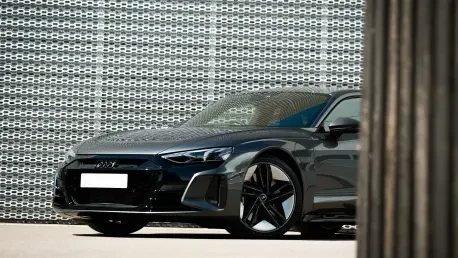
The 2026 A2 e-tron adopts a one-box silhouette that measures one hundred and seventy inches in length, balancing heritage design with modern proportions. This sudden arrival has stunned the industry, as Audi managed to pivot from a conceptual reveal to full-scale assembly at the Ingolstadt facility

As the global race for electric vehicle dominance enters a new era of localization, the traditional borders of automotive manufacturing are being redrawn to favor emerging economic corridors. The stark contrast between China’s 65 percent surge in vehicle exports and its declining domestic demand

Securing a large-scale automotive project now requires specialized machinery and dedicated production lines that often fail to pay for themselves when vehicle sales fall short of targets. This harsh reality has fundamentally altered the landscape of the Chinese automotive industry, which was once
Despite the former president's dismissal of a secret plan to allow Chinese entry, his public comments have ignited a fierce debate over the future of American national security and trade. The proposal involves a conditional invitation for Chinese electric vehicle manufacturers to establish assembly

By the 2030 model year, the federal government will extend its prohibitions to include specific vehicle connectivity hardware that could facilitate backdoor access to domestic networks. This directive underscores a tectonic shift in how the United States evaluates its industrial partnerships and