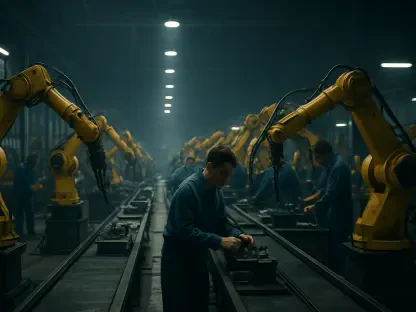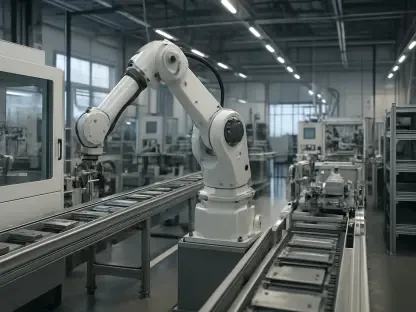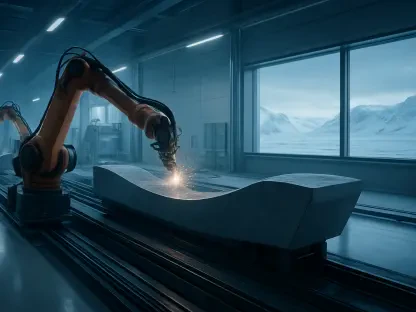
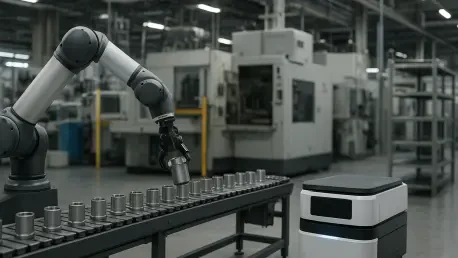
The rhythmic thud of a hydraulic press and the repetitive sweep of a robotic arm have long defined the factory floor, yet a profound quietude is settling over traditional automation as machines begin to think rather than just move. This evolution marks a departure from the "dumb" industrial robot,
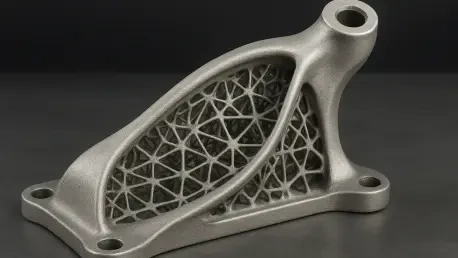
The economic benefits of using iron are substantial, as it provides a low-cost alternative to expensive alloying elements like vanadium and molybdenum. This shifts the strategic focus toward sustainable and accessible manufacturing for high-performance flight hardware in the modern era. In the

UBTECH’s sophisticated four-pillar architecture utilizes swarm intelligence to ensure that multiple humanoid robots can coordinate their movements seamlessly across a single production line. This breakthrough moves beyond the era of static machinery, where fixed robotic arms performed isolated
Designing for the factory floor means anticipating the harsh realities of industrial wear and tear while ensuring seamless data visibility for operators. The robotics landscape has moved past the initial excitement of mere mechanical capability, entering a phase where the primary concern is the
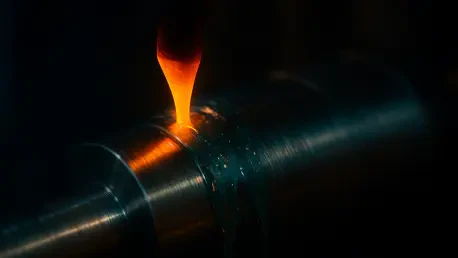
Molybdenum and vanadium serve as adaptive agents by reacting with oxygen to form low-shear Magnéli phases at the point of tool contact. This innovative chemical response represents a significant departure from static protection methods, as it allows the coating to evolve dynamically in response to
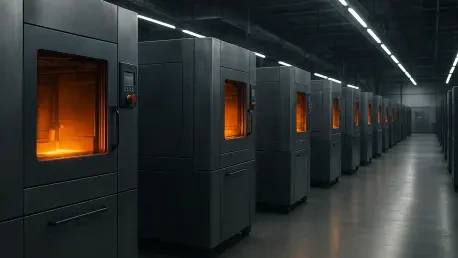
High-volume service providers are becoming the backbone of the additive industry by managing the complexities of 24/7 industrial printer operations. The initial dream of decentralized manufacturing, where every home or office would house a high-end 3D printer, has largely been replaced by a reality