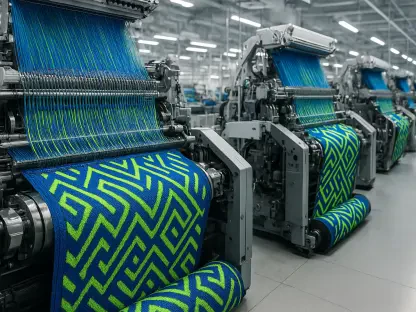

High manufacturing costs for actuators currently represent nearly half of the total production expense for a single humanoid robot. This financial barrier remains the primary obstacle to moving from bespoke laboratory prototypes toward the mass-market adoption seen in other high-tech sectors like

While manufacturers have initially absorbed rising input costs to shield consumers, unavoidable price hikes are projected to take effect starting this fall. This shift comes as the European Union intensifies its environmental mandates, specifically through the expansion of carbon-related levies

Operating rates falling below 70 percent have effectively neutralized the typical correlation between feedstock inflation and finished product pricing. This fundamental decoupling within the Chinese chemical sector signals a departure from traditional market behavior, where supply-side pressures
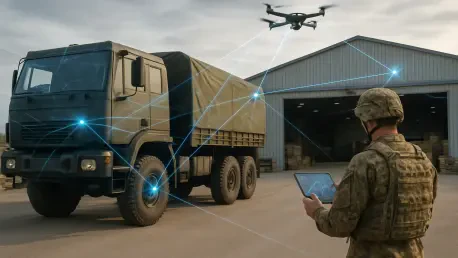
Logistics commanders are increasingly concerned that traditional sea and air supply routes would be the first targets for adversaries during a high-end conflict in the Pacific theater. To mitigate this risk, the United States military is aggressively pivoting toward a decentralized sustainment

The framework agreement signed in mid-2025 has officially moved into its operational phase, transforming Dubai into a critical case study for global autonomous scaling. This collaboration represents a watershed moment where Baidu’s sophisticated Apollo Go software architecture merges with Uber’s

As heavy machinery hums across the heartland and logistics networks realign to prioritize continental security, the United States-Mexico-Canada Agreement has successfully dismantled the old world of effortless global sourcing in favor of a tightly regulated regional powerhouse. This transition was