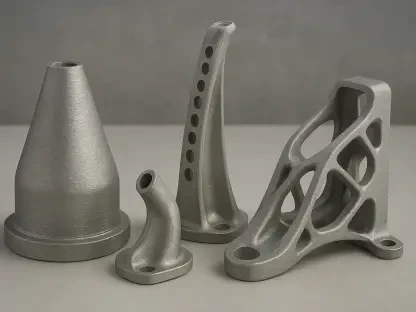

The aerospace sector currently faces a significant paradox where record-breaking order backlogs for commercial and defense aircraft meet a constrained global supply network struggling with component delivery. While the demand for fuel-efficient engines and lightweight structural frames has never

The traditional pace of scientific discovery, often characterized by years of painstaking trial and error in a manual laboratory setting, is currently undergoing a radical transformation as Lawrence Livermore National Laboratory integrates high-level artificial intelligence and modular robotics.

The transition from traditional subtractive manufacturing to sophisticated additive processes has redefined how engineers perceive the physical limitations of material science across global supply chains. As digital designs are converted into physical components through the precise layering of
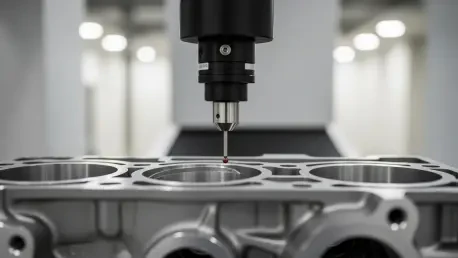
The global manufacturing landscape has reached a point where the traditional procurement model of sourcing components from a dozen different vendors is no longer sustainable for original equipment manufacturers seeking rapid market entry. When an engineering team in North America or Europe has to

The traditional methodology of teaching sophisticated industrial hardware to perform complex tasks has long relied on labor-intensive manual coding or the collection of massive datasets through physical teleoperation. This approach created a significant bottleneck, as robots required thousands of
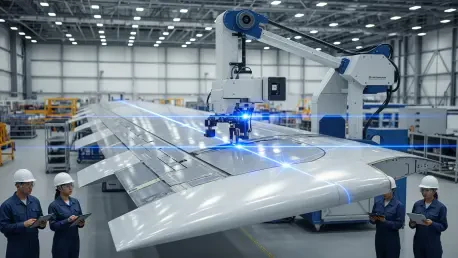
The recent announcement at the Farnborough International Airshow regarding the strategic alliance between Embraer and Hexagon Manufacturing Intelligence marks a transformative milestone in the aviation industry's quest for absolute precision. Historically, quality control in the aerospace sector