
Vertiv’s recent unveiling of its production-grade digital twin for the SmartRun platform at the Computex 2026 event represents a significant advancement in the deployment of high-density AI factories. This tool, developed specifically to operate within the Nvidia Omniverse DSX Blueprint, addresses

The convergence of high-performance computing and heavy manufacturing has reached a critical tipping point where factories operate as living, thinking entities. This strategic alliance between NVIDIA and LG Group is not merely a technical upgrade; it represents a fundamental shift in how global
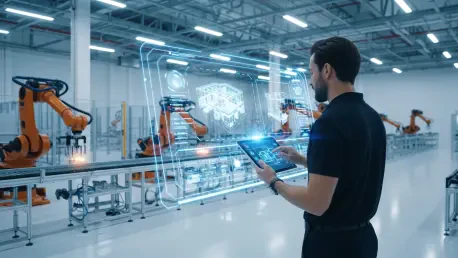
The traditional image of a factory floor defined by sparks and the rhythmic clanking of heavy gears has undergone a radical metamorphosis into a landscape governed by invisible lines of code and high-speed data transmission protocols. As the current manufacturing environment reaches a critical
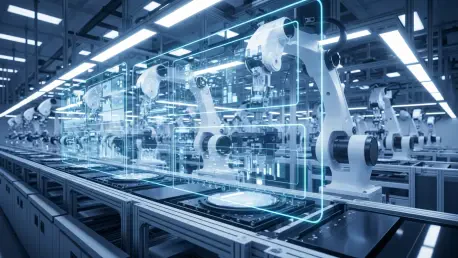
The shift from passive manufacturing to active "AI factories" represents the most significant industrial pivot since the invention of the assembly line. By integrating intelligence into the production flow itself, companies are transforming facilities into massive supercomputers that design their

Global commerce currently navigates a precarious landscape where a single maritime bottleneck or localized geopolitical flare-up can trigger a cascading failure across entire industrial sectors within hours. A disruption in the Strait of Hormuz, for example, no longer just affects the price of

The global industrial landscape stands at a significant crossroads as the focus of artificial intelligence shifts from digital discourse toward physical application. While generative AI dominated the previous wave of innovation, the current era is defined by the integration of high-performance