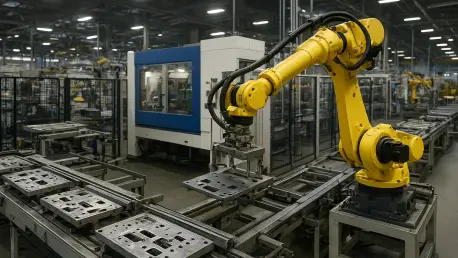
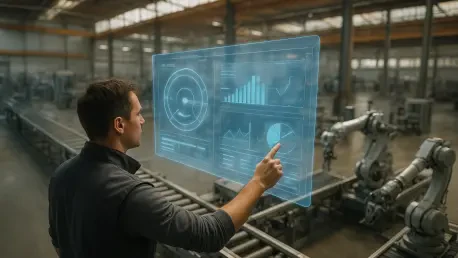
High-level awareness of digital transformation is nearly universal at ninety-three percent, yet this consensus fails to translate into immediate financial commitment for most organizations. This fundamental contradiction defines the current manufacturing landscape, where the theoretical leap toward

Introduction The modern manufacturing sector finds itself at a strange crossroads where record-breaking investments in high-tech software often fail to deliver the promised operational efficiency due to a fundamental breakdown in basic supplier data communication. While industry leaders pour

The strategic intent to capture market share in the global smart factory sector is driving firms to maintain individual expertise while delivering massive, integrated industrial systems. This trend has materialized through a significant alliance between Yeoui Systems and Telstar Agentic Robotics,

The transition from theoretical big data benefits to practical actionable intelligence is central to Factbird’s mission of redefining the modern smart factory landscape. Verdane, a leading European specialist investment firm, recently completed a strategic acquisition of a majority stake in the
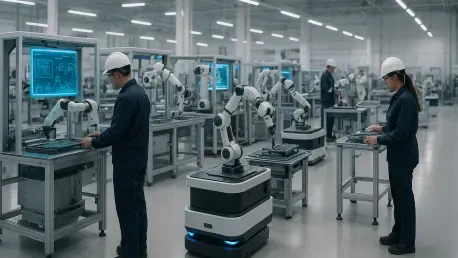
Traditional factories are being replaced by shared-use research environments that bridge the gap between theoretical material science and shop-floor application. This transformation represents a departure from the twentieth-century model of massive, static assembly lines toward a more agile and

The current state of luxury skincare and fragrance production is defined by a network of high-tech hubs that prioritize precision over traditional assembly methods. The United Kingdom has emerged as a central node in this global supply chain, housing facilities that serve as the primary