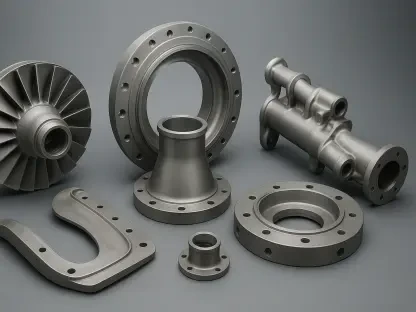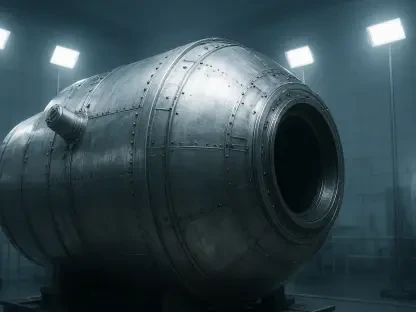

Heavy-duty industrial projects involving railroad tracks require specialized equipment like the A 924 SX Special to handle the extreme physical demands of the material. This demand for durability is reflected across the entire spectrum of industrial metalworking, where the selection of
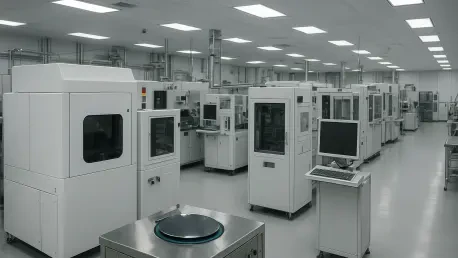
Tesla’s Optimus humanoid robot and Cybercab fleet require specialized processors that prioritize energy efficiency and low-latency data processing over standard commercial chip features. This specialized demand has driven the establishment of Terafab, a centralized semiconductor manufacturing
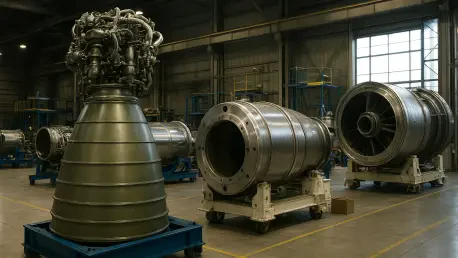
The ability to print complex, lightweight engine parts on demand ensures that the next generation of rockets will be significantly cheaper to launch. For decades, the aerospace industry operated under a paradigm of extreme mechanical complexity, where constructing a single rocket engine required
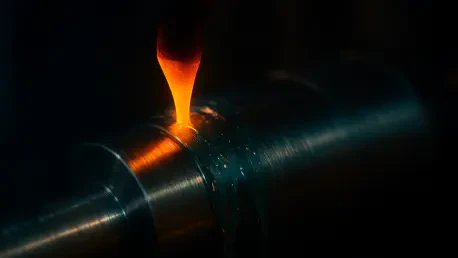
Molybdenum and vanadium serve as adaptive agents by reacting with oxygen to form low-shear Magnéli phases at the point of tool contact. This innovative chemical response represents a significant departure from static protection methods, as it allows the coating to evolve dynamically in response to

The transition to fully autonomous service scheduled for 2025 follows several years of rigorous testing and data collection under human supervision. This strategic shift at Tallinn Airport has redefined the boundaries of aviation ground operations by successfully integrating driverless technology
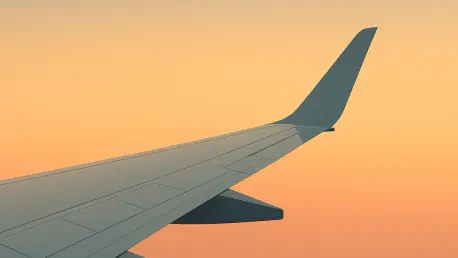
The company is preparing to test a radical open-fan engine architecture on an A380 testbed as a leading propulsion contender for its future single-aisle aircraft program. This strategic move marks the beginning of a comprehensive effort to develop a successor to the A320 family, with an entry into