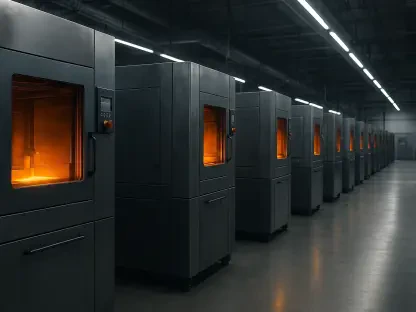
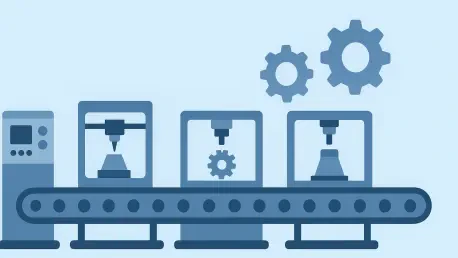
The traditional barriers between additive experimentation and industrial-scale production have finally dissolved, revealing a landscape where 3D printing operates as a standard, high-reliability manufacturing tool. Large-format metal production systems are offering a viable alternative to
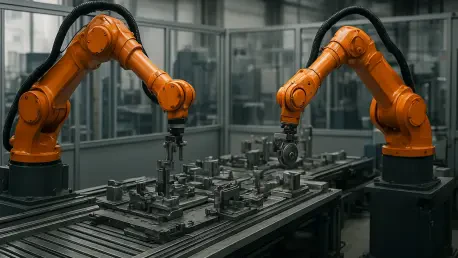
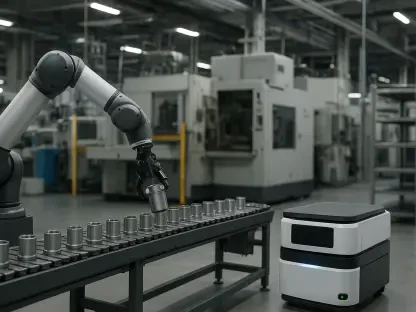
The sudden transition from proprietary silos to open-source foundational software is currently fundamentally restructuring the global industrial robotics landscape through the release of the Intrinsic Core platform. This pivot by Alphabet’s robotics arm represents a calculated effort to lower the

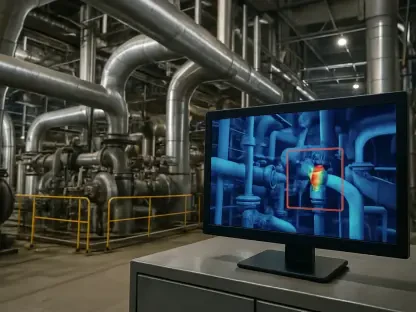
The reliability of industrial water treatment facilities depends heavily on the ability of balanced-type mechanical seals to manage sudden hydraulic pressure spikes. In the current industrial landscape of 2026, the integrity of high-pressure fluid networks has become the primary metric for
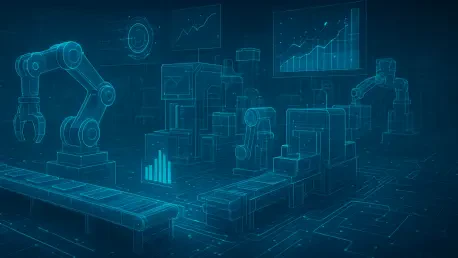
Embedding artificial intelligence directly into manufacturing hardware digitizes the nuanced skill sets of master technicians to ensure operational continuity despite a tightening labor market. As the South Korean industrial sector navigates a profound demographic shift, the integration of these
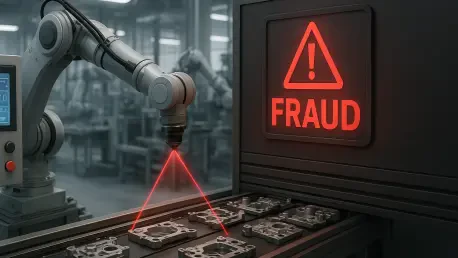
The manufacturing sector’s rapid digital transformation has birthed a sophisticated technological paradox where operational efficiency meets an unprecedented and invisible vulnerability. As enterprises transition to fully integrated digital ecosystems, the traditional safeguards of the physical

UBTECH has pivoted its Walker S series toward automotive assembly and quality inspection, resulting in a 2,203% revenue increase for its full-size humanoid robots. This dramatic surge in industrial application reflects a broader seismic shift within the global robotics landscape, where the previous