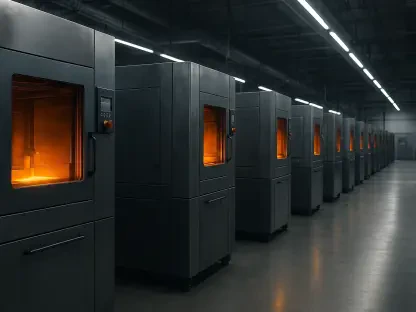

The rapid transition from experimental prototyping toward high-volume industrial output has fundamentally altered the landscape of metal additive manufacturing by demanding unprecedented levels of speed and precision. Traditional single-laser systems often struggle to meet the throughput
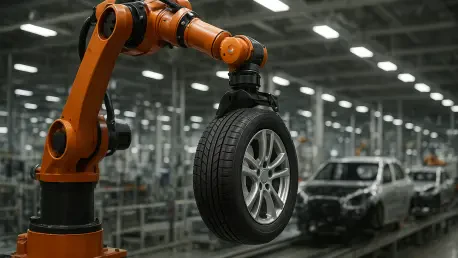
The shift toward autonomous humanoid labor relies on massive datasets acquired through simulated factory environments that mirror actual Hyundai production lines. This foundational strategy bridges the transition of Boston Dynamics’ Atlas from a viral sensation known for parkour into a pragmatic,
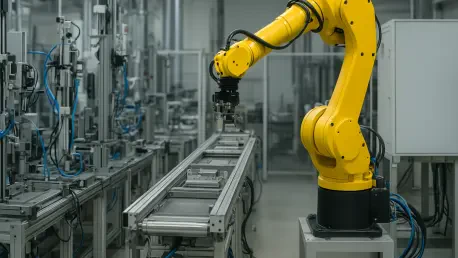
Operating 16 hours a day with 99% uptime, Maven’s robotic systems are designed to reach the back of a 48-inch pallet or high storage shelves without losing stability. This performance profile addresses a critical bottleneck in the global supply chain: the widening chasm between surging
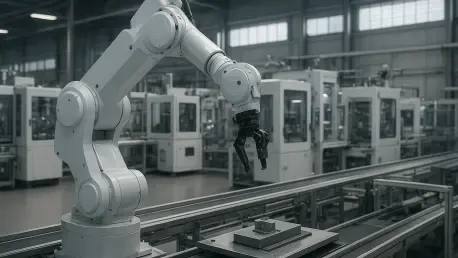
Precision machining facilities are adopting AI solutions to maintain their margins and ensure that pricing for complex parts remains accurate and competitive. The recent infusion of $20 million in capital, led by Nimble Ventures with backing from Lockheed Martin’s LM Ventures and others, signals a
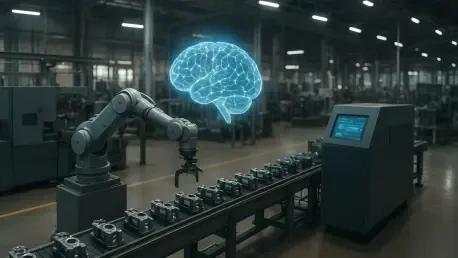
A smart factory is not a product available for purchase but rather a complex state achieved through the strategic development of custom software architecture. Despite the rapid proliferation of digital tools across the industrial landscape, a significant integration gap remains a primary obstacle
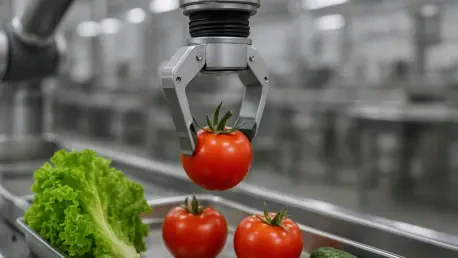
The quiet whirring of robotic arms in a Midwestern warehouse now signals a profound transformation in the global industrial hierarchy that few experts predicted only a few short years ago. This technological evolution has reached a fever pitch as 2026 begins, marking a year where the American