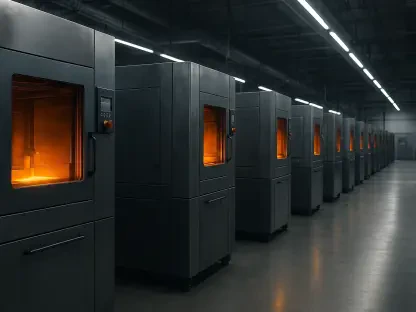

The rapid proliferation of decentralized data processing across global industries has fundamentally altered the technological landscape, forcing a shift from centralized cloud dependencies to agile, local intelligence. As latency requirements become more stringent for autonomous systems and
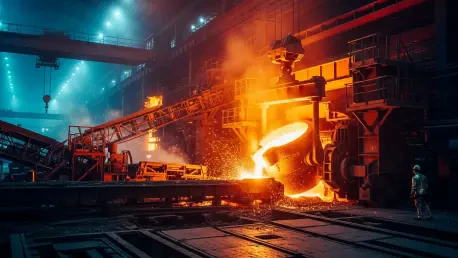
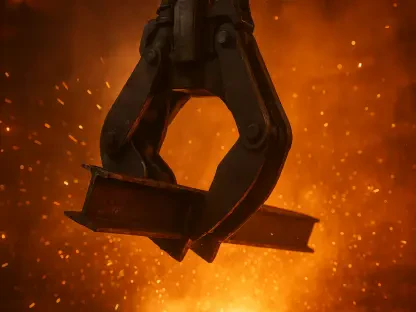
The traditional blast furnace, once a symbol of brute industrial force and manual labor, has undergone a radical transformation into a data-driven ecosystem where silicon chips now dictate the movement of molten metal. As global demand for high-strength, lightweight alloys continues to surge
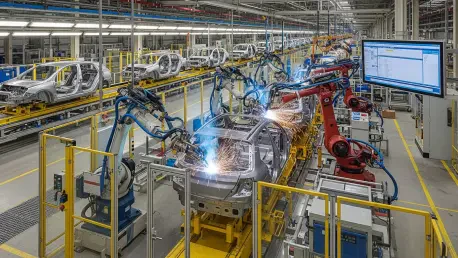
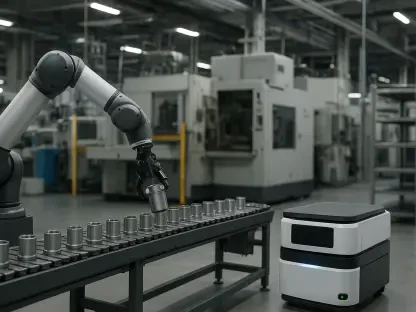
As the rhythmic hum of sophisticated robotic actuators echoes through modern manufacturing plants, the traditional boundary between manual labor and automated precision has effectively vanished. In this high-stakes environment, the United Auto Workers and other major labor organizations are
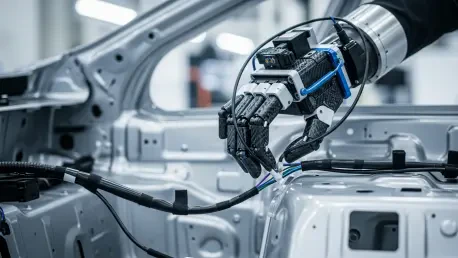
The transition from traditional assembly lines to integrated learning systems represents the most significant shift in industrial history since the introduction of the moving conveyor belt over a century ago. Major automotive players such as BMW, Volkswagen, Audi, and the global supplier Schaeffler
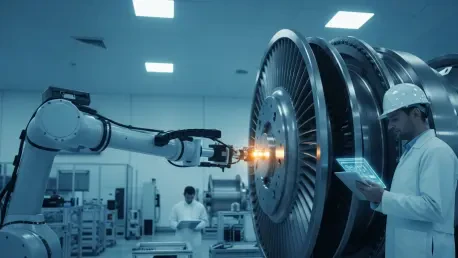
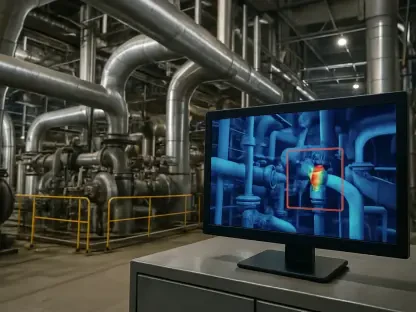
The cost of unexpected mechanical failure in heavy manufacturing environments often exceeds the price of the replacement parts by a factor of ten when factoring in lost productivity and labor. In the current landscape of 2026, facilities are moving away from traditional scheduled checks that often
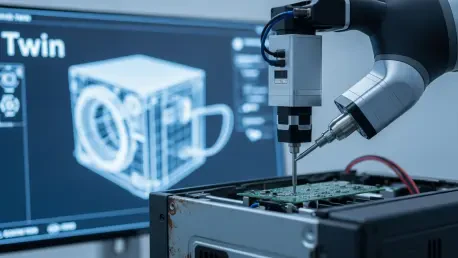
Global electronic waste has reached staggering proportions, forcing industry leaders to rethink how they manage the lifecycle of consumer goods to prevent a complete depletion of finite resources. Panasonic is currently spearheading this transformation by shifting from a linear "take-make-dispose"